
Introductio
In the age of perpetual connectivity, our lives are tethered to mobile devices. From hailing cabs to navigating cities and posting on social media, smartphones have become indispensable. But their lifeblood—battery power—remains frustratingly finite. Enter power bank sharing: a solution born from necessity, nurtured by convenience, and scaled by technology.
What started as a novel amenity in high-traffic locations is now a full-fledged industry. Power bank sharing blends tech, logistics, and user psychology into a modern utility service designed for an always-on society.
Core Business Structure
At the heart of the power bank sharing model lies simplicity and accessibility. Users locate a nearby station, scan a QR code, and instantly rent a power bank. Charging can continue on the go, freeing them from being tethered to a wall socket. Upon completion, the device can be returned to any available kiosk—whether in the same venue or across the city.
Pricing is typically usage-based. The first 30 minutes may be free or low-cost, with escalating hourly or daily rates thereafter. For example, a common model charges $0.50 to $1.00 per hour, with a daily cap. Some platforms even offer subscription services for frequent users.
Revenue isn't restricted to rentals. Many operators incorporate in-app promotions, upsell cables and accessories, or use their apps as platforms for affiliate marketing. Others monetize through analytics—aggregating anonymized behavioral data to understand foot traffic and charging habits.
Hardware and Technology Infrastructure
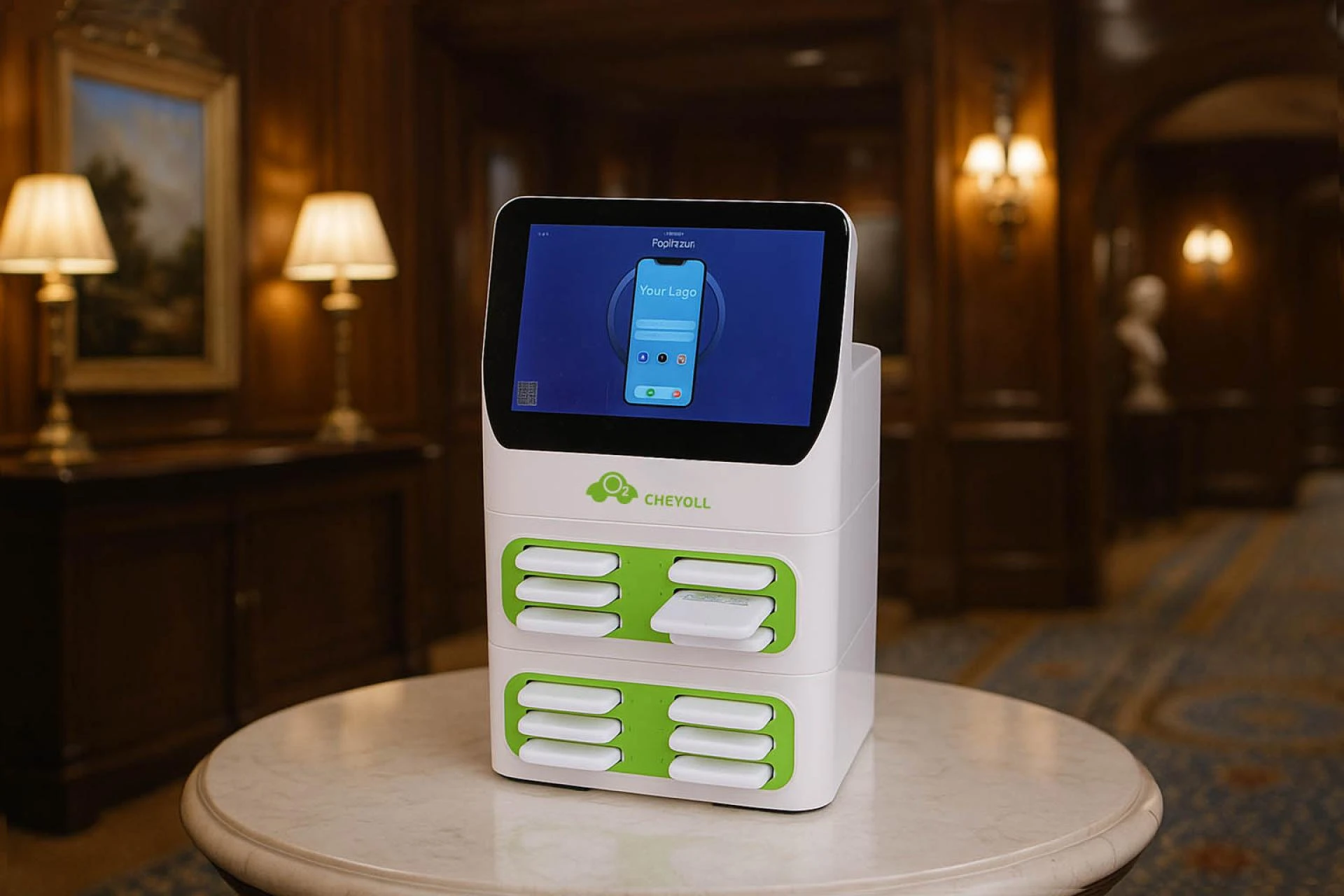
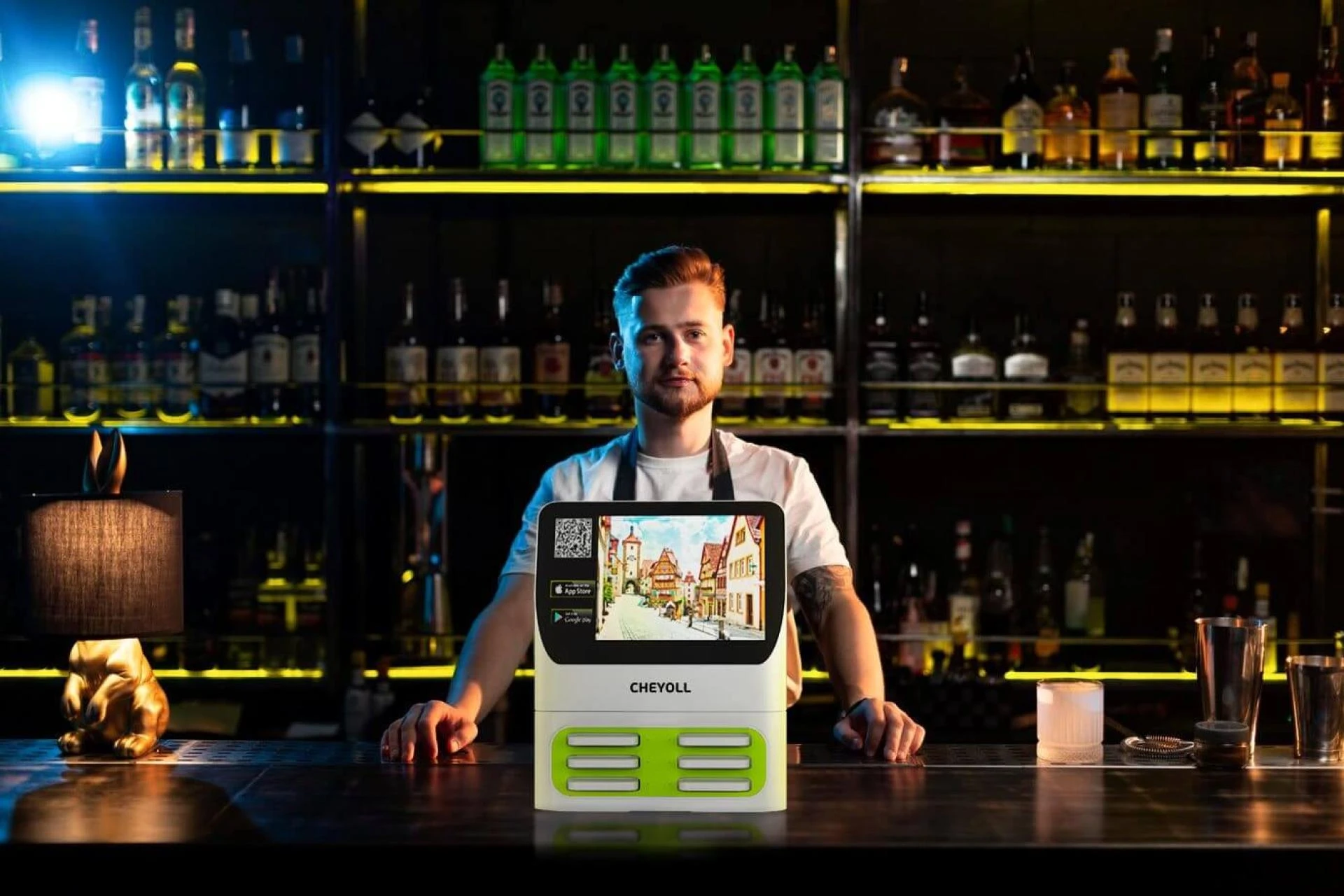
The tangible backbone of this business lies in its hardware. Kiosks vary from small tabletop docks to full-standing cabinets that accommodate dozens of units. These stations are typically installed in strategic, high-visibility areas.
The power banks themselves must be compact, robust, and universally compatible—often featuring multiple charging ports (USB-A, USB-C, Lightning). Asset tracking is vital. GPS-enabled chips or RFID tagging ensure the operator knows where each unit is at any given time.
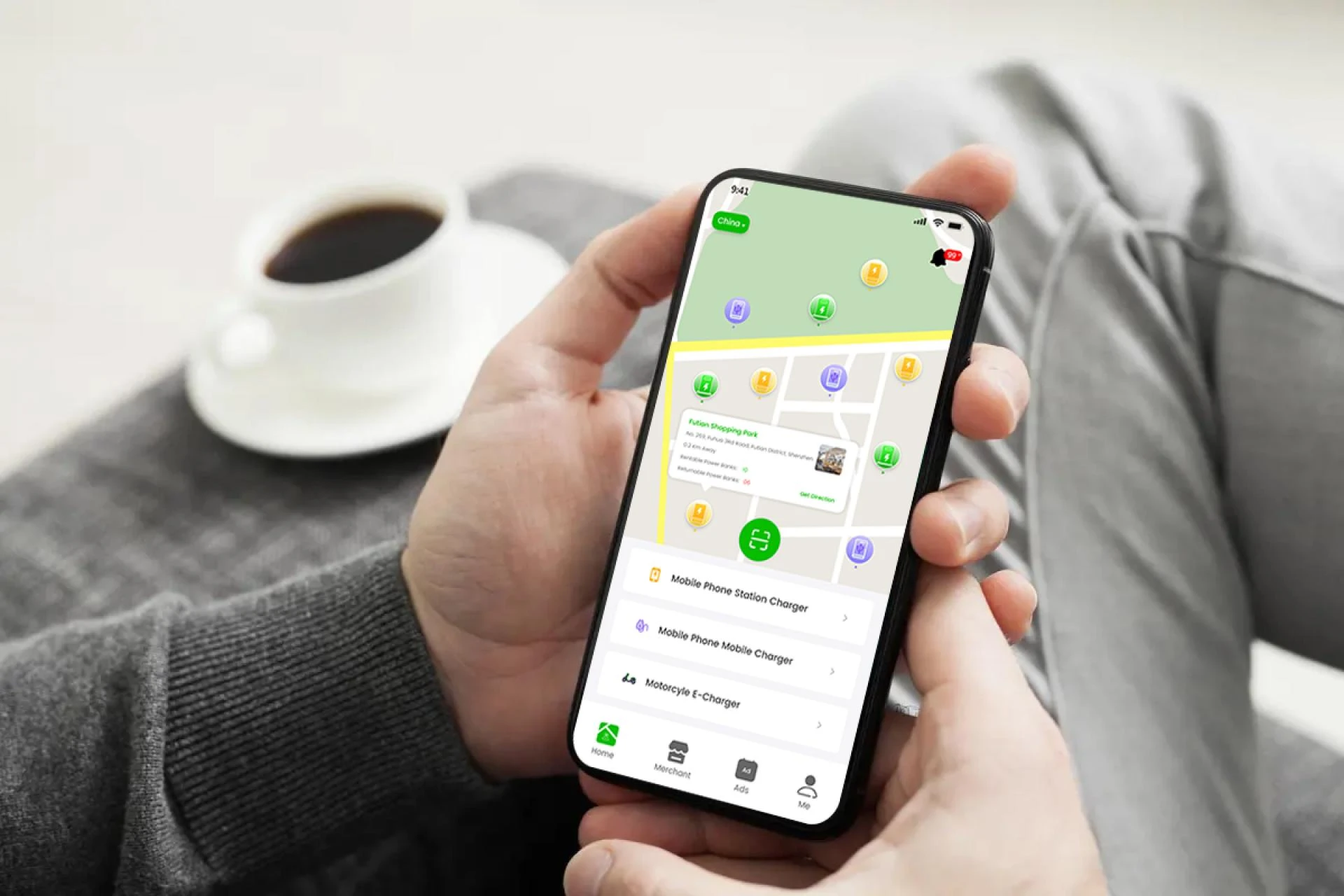
Seamless integration with mobile apps is key. Users rely on real-time maps, usage timers, and digital wallets. QR scanning initiates rentals and returns within seconds, while backend systems handle authentication, billing, and inventory control.
Target Market and User Behavior
Power bank sharing appeals to a cross-section of modern consumers: tourists navigating unfamiliar cities, students attending all-day classes, gig workers with power-draining apps. The service resonates with anyone who fears a dead phone battery more than a missed bus.
Spontaneous need drives the majority of usage. Whether stuck at an airport or heading into a meeting, users make snap decisions based on availability and urgency. To attract and retain users, companies deploy intuitive UI, loyalty points, and first-time incentives.
Demographics skew toward urban Millennials and Gen Z—digital natives accustomed to on-demand services. However, adoption is spreading rapidly among business travelers and casual consumers alike.
Partnerships and Location Strategy
Strategic placement is the lifeblood of this model. Operators form partnerships with retail chains, airports, coffee shops, entertainment venues, and transport hubs. These agreements range from simple placement deals to more complex revenue-sharing models.
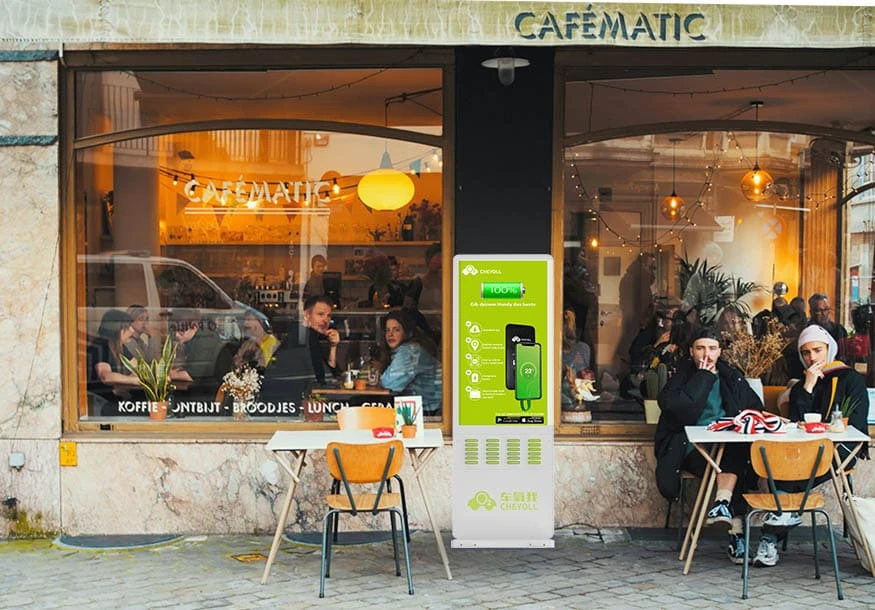
For example, a shopping mall might receive a fixed percentage of rental income in exchange for prominent kiosk space. Some locations prioritize indirect benefits—like increased dwell time or higher customer satisfaction—over direct revenue.
Geographic saturation boosts network value. The more kiosks available, the more convenient it becomes for users to rent and return devices seamlessly. This "network effect" enhances stickiness and brand preference.
Monetization Strategies and Profit Margins
The most direct source of income is rental fees. But savvy operators look beyond. App-based advertising, cobranded promotions, and location-specific marketing help monetize eyeballs as well as devices.
Some firms lease ad space on kiosks themselves, turning each machine into a miniature billboard. Others gather anonymized data to identify consumer behaviors—valuable intel for urban planners, real estate firms, or FMCG brands.
Profitability depends on rapid cost recovery. A single power bank unit and its share of a kiosk must break even within months. Companies reduce churn through rugged design, frequent maintenance, and clear user guidelines. Longer usage sessions and repeat customers significantly boost margins.
Challenges and Opportunities
No business model is without pitfalls. Theft and vandalism, though increasingly rare due to tracking tech, still pose operational headaches. Malfunctioning devices or failed returns can erode customer trust if not addressed swiftly.
As the market matures, competition intensifies. Saturation in metro areas means newer players must differentiate—via better UX, innovative pricing, or expanded functionality.
The future holds promising frontiers: solar-charging kiosks for off-grid deployments, 5G-equipped power banks offering hotspot functionality, and integration into broader "smart city" ecosystems.
In conclusion, the power bank sharing business is a compelling convergence of necessity, convenience, and technology. It exemplifies how small but vital services can scale when executed with precision and user empathy. With the right mix of infrastructure, partnerships, and innovation, this model has the potential to electrify not just devices—but entire economies.

























Sign in to leave a comment.