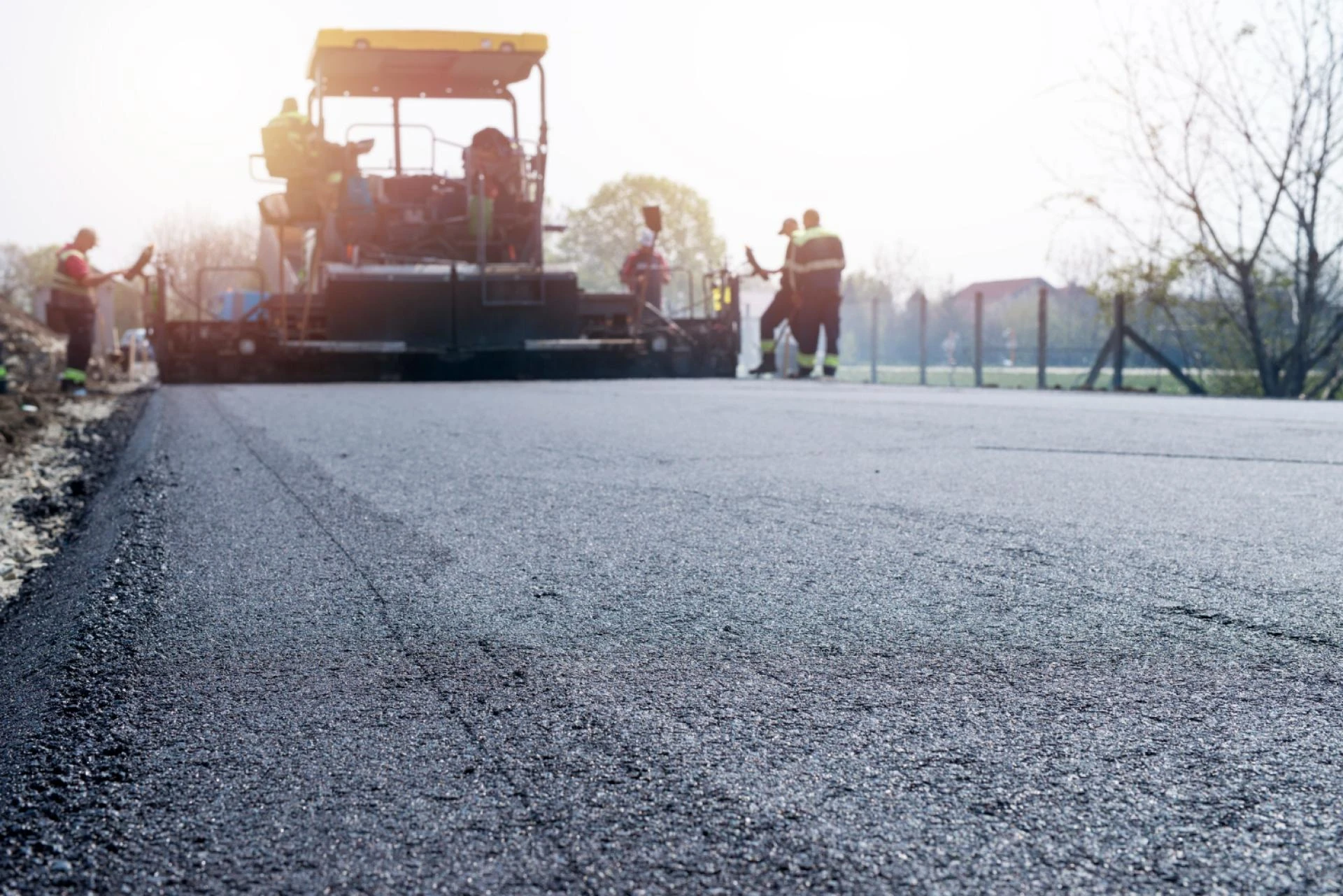

When it comes to choosing the right material for paving, whether it's for a driveway, parking lot, or road, two materials typically dominate the conversation: asphalt and concrete. Both offer distinct benefits, but they are far from interchangeable. At Abrahams Asphalt and Paving, we understand the needs of Atlantic City homeowners and businesses, and we specialize in providing asphalt pavement installation services that suit every type of property. This article will delve into the differences between asphalt and concrete paving, providing a comprehensive overview to help you make an informed decision.
The Basics: Asphalt vs Concrete
Before diving into the differences, let's first understand what each material is and how they are used for paving.
Asphalt is a flexible, petroleum-based material made from a mixture of bitumen (a byproduct of oil refining), sand, and gravel. Asphalt is most commonly used for roads, highways, and driveways because of its flexibility and ability to withstand heavy traffic. Asphalt paving contractors often recommend it for surfaces that experience frequent movement or heavy loads, as the material can expand and contract without cracking.
Concrete, on the other hand, is a rigid material made by mixing cement, water, sand, and gravel. Concrete pavement is often used for roads and driveways where durability and strength are top priorities. Concrete surfaces are less flexible than asphalt, meaning they are more likely to crack under heavy stress or when subjected to temperature changes.
Now, let’s explore the specific differences between these two paving materials in more detail.
1. Cost: Asphalt vs Concrete
One of the most significant factors when choosing between asphalt and concrete paving is the cost. Asphalt paving installation is typically more affordable than concrete paving. In fact, asphalt can cost between 20% to 30% less than concrete for installation. This makes asphalt a popular choice for homeowners looking to install an asphalt driveway or businesses that need to pave large areas on a budget.
The lower upfront cost of asphalt comes with a few trade-offs, but for many property owners, the savings are worth it, especially if they have a large area to cover. Asphalt is also quicker to install, which may reduce labor costs and downtime.
2. Durability and Longevity
Concrete is often considered the more durable option when compared to asphalt. Concrete surfaces can last upwards of 30 years or more, depending on the climate and how well it is maintained. However, asphalt also provides good durability, with a lifespan of around 20 years when properly installed and maintained.
Asphalt pavement installation can withstand a lot of wear and tear, making it an ideal option for driveways and roads that experience high traffic or extreme weather conditions. On the other hand, concrete is more likely to crack over time, especially in regions that experience freezing and thawing cycles, which can cause expansion and contraction.
If you’re in Atlantic City, where temperatures can fluctuate and there is high humidity, it’s important to discuss your options with experienced paving professionals to determine which material will be most durable for your specific climate and needs.
3. Maintenance Needs
Another critical difference between asphalt and concrete is the maintenance required to keep the surfaces in optimal condition. Asphalt is relatively easy to maintain and repair. Minor cracks can be sealed with patching compounds, and large sections can be repaved relatively quickly. Asphalt also benefits from routine sealing every few years to maintain its appearance and integrity. This helps protect the surface from water penetration and UV damage, which can degrade the material over time.
Concrete, however, requires more intensive maintenance. While it’s generally low-maintenance initially, cracks are more common, and repairs can be costly and time-consuming. Concrete surfaces may also stain over time, especially when exposed to de-icing salts used during the winter months. As a result, paving contractors who install concrete may need to provide more frequent and expensive repairs to keep the surface looking pristine.
4. Appearance and Aesthetic Appeal
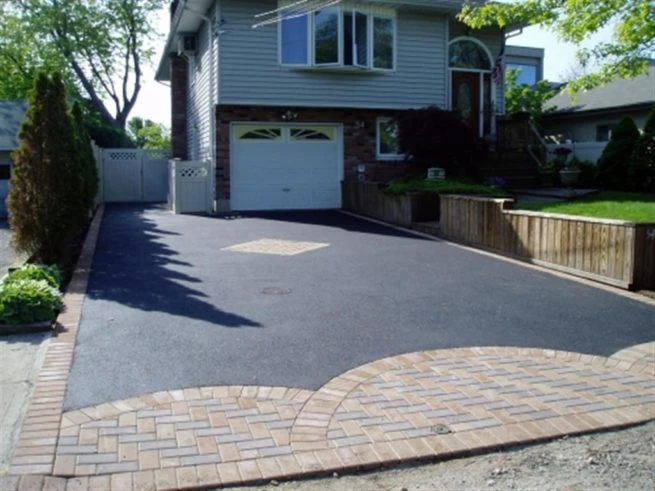
When it comes to aesthetics, concrete tends to offer more versatility than asphalt. Concrete can be customized with various finishes, such as exposed aggregate, stamped designs, or color options, making it a popular choice for homeowners who want a more decorative look for their asphalt driveway or walkway.
Asphalt, on the other hand, generally has a more uniform and black appearance. While asphalt can be attractive in its own right, especially when it is freshly laid, it lacks the design flexibility that concrete offers. However, the black color of asphalt provides a more modern, clean look for driveways and roads, and some property owners prefer it for its simplicity and low-maintenance appeal.
5. Weather Resistance
Weather conditions can have a significant impact on the longevity and performance of both asphalt and concrete. Asphalt is a flexible material that can adapt to temperature fluctuations, making it well-suited for climates that experience both hot summers and cold winters. The material can expand and contract without breaking, which is a crucial feature in regions that experience freezing and thawing.
Concrete is less flexible and can crack more easily under temperature extremes. In colder climates, water can seep into the cracks, freeze, and expand, which leads to further deterioration. For Atlantic City residents, who experience a range of temperatures and precipitation, it’s important to understand how these materials will react to the local weather conditions.
6. Environmental Impact
Both asphalt and concrete have environmental considerations, though asphalt is generally more eco-friendly in certain ways. Asphalt is made from a high percentage of recycled materials, and the surface can be recycled at the end of its lifespan. This makes asphalt paving a more sustainable option for those looking to reduce their carbon footprint.
Concrete, while durable, is associated with a higher carbon footprint due to the cement production process, which is energy-intensive. Concrete is also harder to recycle, although some advancements are being made in sustainable concrete technologies.
Conclusion: Which Is Right for You?
The choice between asphalt and concrete ultimately depends on your specific needs, budget, and long-term plans for maintenance. Asphalt paving contractors like Abrahams Asphalt and Paving in Atlantic City can help you make an informed decision based on your location, traffic requirements, and aesthetic preferences.
For those looking for a cost-effective solution with relatively low maintenance needs, asphalt driveway installation may be the ideal choice. Asphalt is a great option for homeowners who need a durable and affordable paving solution. On the other hand, if you prioritize durability, a longer lifespan, and customizable design options, concrete may be the way to go.
Frequently Asked Questions
Which is more durable, asphalt or concrete?
Concrete is generally more durable and lasts longer than asphalt, but asphalt is also a strong and flexible option, especially in areas with temperature fluctuations.
How long does an asphalt driveway last?
An asphalt driveway typically lasts around 20 years with proper maintenance, including sealing every few years.
How much does asphalt paving cost?
Asphalt paving is usually more affordable than concrete, with costs ranging from $3 to $7 per square foot, depending on the area and the scope of the project.
Can asphalt be repaired easily?
Yes, asphalt can be repaired quickly and easily. Cracks can be sealed, and sections can be repaved with minimal disruption.
What’s the best material for a driveway in Atlantic City?
Both asphalt and concrete are suitable for driveways in Atlantic City, but asphalt is often preferred due to its cost-effectiveness and flexibility in handling extreme weather conditions.
A




Sign in to leave a comment.