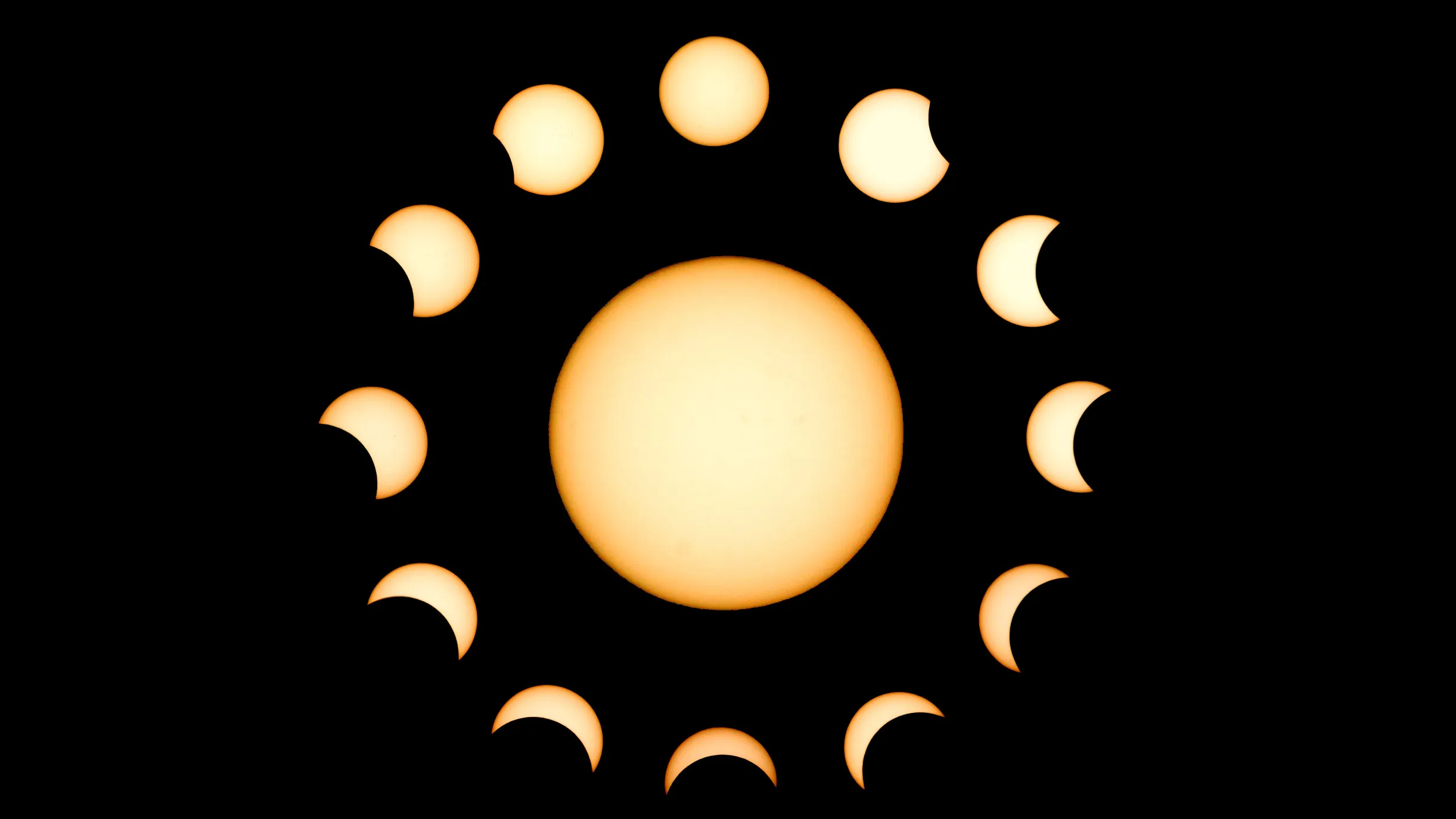

If you’ve ever been curious about the history about solar eclipse, you’re stepping into a story that stretches back thousands of years. Long before modern science explained eclipses, humans watched the sky with fear, curiosity, and wonder. These rare events shaped myths, influenced rulers, and even changed the course of science. In this article, we’ll explore how solar eclipses were understood across time—from ancient civilizations to modern discoveries—revealing how our view of the universe has evolved.
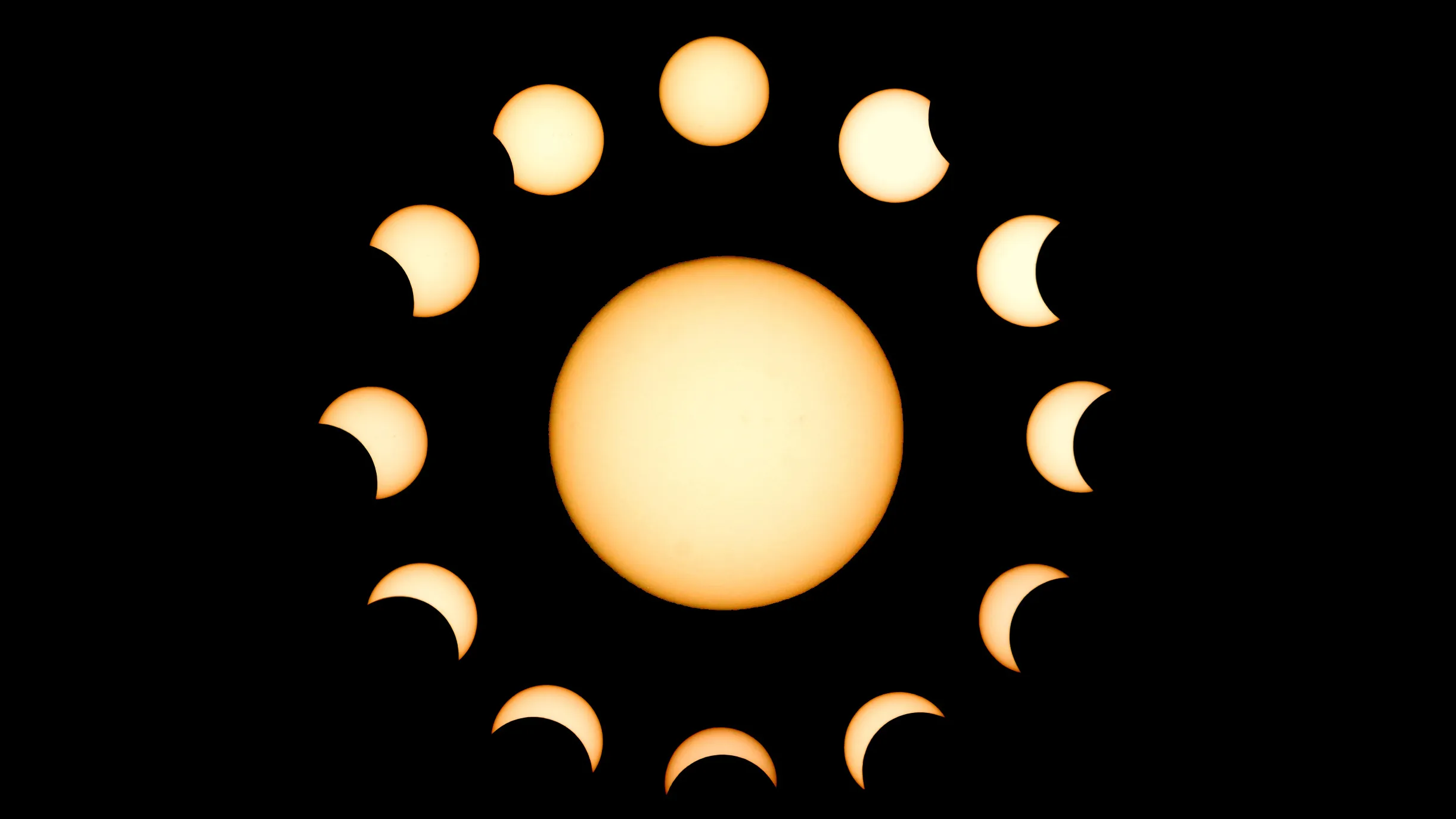
The Earliest Records in the History About Solar Eclipse
The history about solar eclipse begins long before written science, in a time when people relied on observation and storytelling to explain the world around them. Ancient civilizations carefully recorded celestial events, often carving them into stone or documenting them in early texts. These records weren’t just about curiosity—they were about survival, meaning, and understanding the unknown.
One of the earliest known records of a solar eclipse dates back over 4,000 years in ancient China. At the time, eclipses were believed to be caused by a dragon devouring the Sun. People would bang drums and make loud noises to scare it away. While this might sound symbolic today, it reflects how deeply these events affected early societies.
Across the world, similar patterns emerged. The sudden disappearance of sunlight during the day was too dramatic to ignore. Without scientific explanation, it became a powerful cultural and spiritual event.
The history about solar eclipse shows us that even in ancient times, humans were keen observers of the sky. They noticed patterns, recorded events, and began building the foundation for future understanding.
Ancient China and Early Eclipse Records
Chinese astronomers were among the first to document eclipses systematically. These records later helped scientists confirm historical timelines and celestial cycles.
Mesopotamia and Predictive Astronomy
In ancient Mesopotamia, scholars began to notice repeating eclipse patterns, such as the Saros cycle. This marked one of the earliest attempts to predict eclipses rather than simply react to them.
How Different Cultures Interpreted Solar Eclipses
As the history about solar eclipse expanded across continents, each culture developed its own interpretation of what these events meant. Despite differences in geography and belief systems, one thing remained consistent—solar eclipses were never seen as ordinary.
These interpretations often reflected deeper cultural values, fears, and spiritual beliefs. In many cases, eclipses were seen as warnings, messages, or signs of change.
What’s fascinating is how similar these interpretations were, even among civilizations that had no contact with each other. It suggests that the human response to eclipses is deeply universal.
Mythology and Symbolism Around the World
- In Norse mythology, a wolf was said to chase and consume the Sun.
- In India, eclipses were linked to the demon Rahu swallowing the Sun.
- In Mesoamerican cultures, eclipses were associated with cosmic battles.
These stories gave meaning to something that otherwise felt unpredictable and frightening.
Eclipses as Omens and Warnings
In many societies, eclipses were believed to predict major events—wars, natural disasters, or the fall of leaders. Kings and rulers often took eclipses seriously, sometimes altering decisions based on them.
The history about solar eclipse shows how deeply these events were tied to human belief and decision-making.
The Turning Point: From Myth to Science
The most important shift in the history about solar eclipse came when humans began to move from mythological explanations to scientific understanding. This transition didn’t happen overnight—it was a gradual process driven by observation, mathematics, and curiosity.
Ancient Greek philosophers were among the first to suggest that eclipses had natural causes. Over time, astronomers developed models to explain the movements of the Sun, Moon, and Earth.
By the time of the Renaissance, eclipse prediction had become more accurate. Scientists could calculate when and where an eclipse would occur—transforming it from a mysterious event into a predictable phenomenon.
Early Scientific Discoveries
Greek astronomers like Aristotle proposed that eclipses were caused by celestial alignment rather than supernatural forces. This marked a major shift in thinking.
The Role of Mathematics and Astronomy
The development of mathematical models allowed astronomers to predict eclipses with increasing precision. This laid the groundwork for modern astronomy.
The history about solar eclipse at this stage reflects humanity’s growing confidence in understanding the universe.
Modern Discoveries and Scientific Breakthroughs
In modern times, the history about solar eclipse has become closely linked with major scientific breakthroughs. Eclipses are no longer feared—they are studied, photographed, and even celebrated.
One of the most famous moments in scientific history occurred during a solar eclipse in 1919. Scientists used the event to confirm Albert Einstein’s theory of general relativity by observing how light bent around the Sun.
Today, solar eclipses are used to study the Sun’s corona, space weather, and other phenomena that are difficult to observe under normal conditions.
The 1919 Eclipse and Einstein’s Theory
During this eclipse, astronomers measured the bending of starlight around the Sun, providing strong evidence for Einstein’s groundbreaking theory.
How NASA Studies Eclipses Today
Modern organizations use advanced technology to observe eclipses from Earth and space. These studies help us understand solar activity and its impact on our planet.
The history about solar eclipse has evolved from fear to fascination, from myth to measurable science.
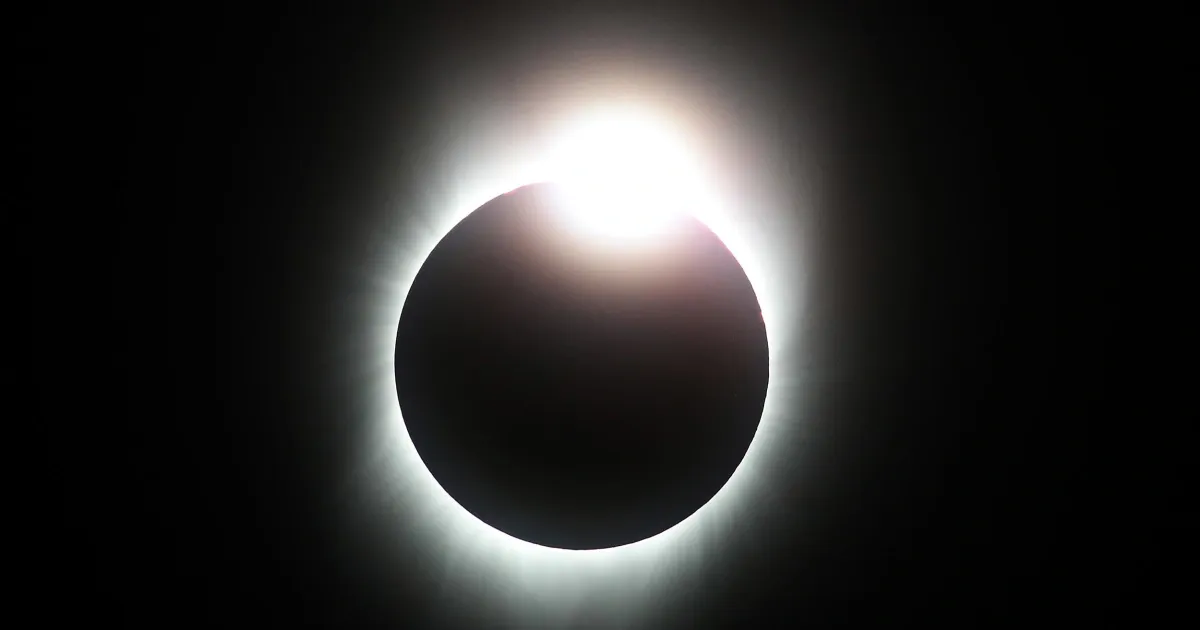
Why the History of Solar Eclipses Still Matters Today
You might wonder why the history about solar eclipse is still relevant in a world where we understand the science behind these events. The answer lies in connection—both to our past and to each other.
When you watch a solar eclipse today, you’re sharing an experience with people across thousands of years. The same sky, the same phenomenon, the same sense of awe.
Understanding this history adds depth to the experience. It reminds you that you’re part of a long human story—one that continues to evolve.
A Shared Human Experience Across Time
From ancient civilizations to modern scientists, eclipses have brought people together in moments of wonder and curiosity.
Lessons From the Past
The journey from myth to science shows how human understanding grows over time. It’s a reminder that curiosity and observation can lead to incredible discoveries.
There’s something powerful about knowing that a solar eclipse has been watched, feared, and studied for thousands of years. The history about solar eclipse is not just about the past—it’s about how humans make sense of the unknown.
And when the next eclipse happens, as the light fades and the sky transforms, you’ll be standing in the same place as countless others before you—looking up, wondering, and feeling that same timeless sense of awe.
Follow us for more updates:


































Sign in to leave a comment.