

In the digital age, your website serves as the virtual storefront for your business. It's often the first point of contact for potential customers and plays a crucial role in shaping their perception of your brand. Ensuring that your website operates smoothly, remains secure, and delivers a positive user experience is paramount. This is where website support and maintenance come into play.
What Is Website Support and Maintenance?
Website support and maintenance encompass a range of services aimed at keeping your website functional, secure, and up-to-date. These services include:
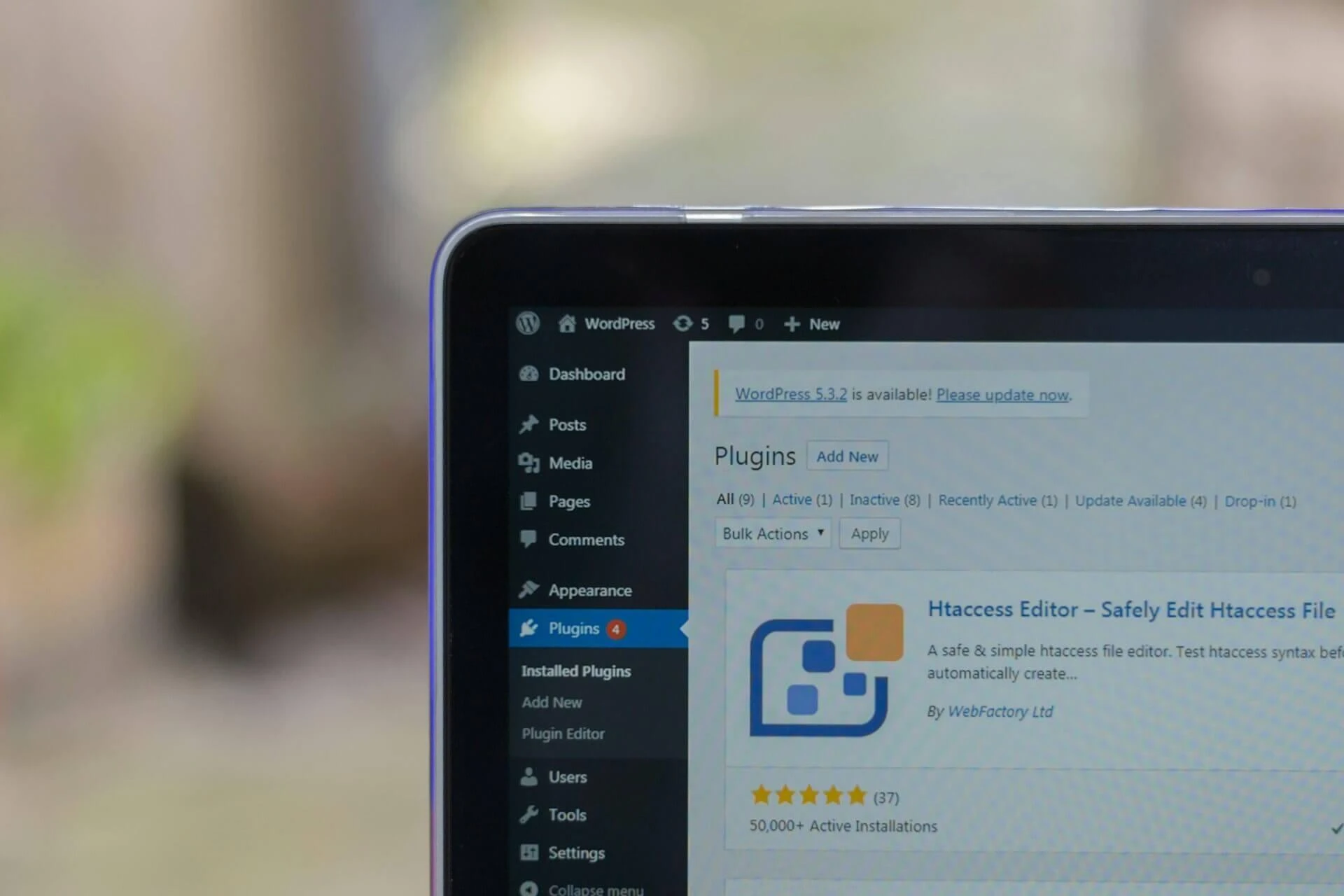
- Regular Software Updates: Keeping your website's platform, plugins, and themes updated to ensure compatibility and security.
- Security Monitoring: Implementing measures to protect your site from cyber threats and vulnerabilities.
- Performance Optimization: Enhancing site speed and responsiveness to provide a better user experience.
- Content Updates: Regularly refreshing content to keep it relevant and engaging for visitors.
- Backup Services: Creating regular backups to prevent data loss in case of unforeseen issues.
Why Is Website Maintenance Essential?
1. Security
The digital landscape is rife with cyber threats, including malware, hacking attempts, and data breaches. Regular maintenance ensures that your website's security protocols are up-to-date, reducing the risk of unauthorized access and data loss. Implementing timely security patches and monitoring for vulnerabilities are critical components of a robust security strategy.
2. Performance
A slow-loading website can deter visitors and negatively impact your search engine rankings. Regular maintenance involves optimizing images, scripts, and other elements to enhance site speed. A fast and responsive website not only improves user satisfaction but also contributes to better SEO performance.
3. User Experience
An outdated or malfunctioning website can frustrate users and drive them away. Regular updates and maintenance ensure that all features function as intended, links are active, and content is accurate. A well-maintained website fosters trust and encourages visitors to engage with your brand.
4. SEO Rankings
Search engines favor websites that are regularly updated and free from errors. By maintaining a clean, error-free site with fresh content, you improve your chances of ranking higher in search engine results. Regular maintenance helps identify and fix issues that could negatively impact your SEO performance.
5. Cost Savings
Addressing issues promptly through regular maintenance can prevent more significant problems in the future. Proactive maintenance is often more cost-effective than dealing with the aftermath of a major website failure or security breach.
What Does a Typical Maintenance Plan Include?
A comprehensive website maintenance plan should cover various aspects to ensure optimal performance:
- Software and Plugin Updates: Regularly updating the website's core software and plugins to maintain compatibility and security.
- Security Scanning and Monitoring: Implementing tools to detect and prevent potential security threats.
- Performance Monitoring: Regularly checking site speed and responsiveness, making necessary adjustments to improve performance.
- Content Management: Updating text, images, and other content to keep the site current and engaging.
- Backup Services: Creating and storing backups to safeguard against data loss.
- Technical Support: Providing assistance for troubleshooting and resolving any issues that arise.
Choosing the Right Support and Maintenance Service
Selecting a reliable website support and maintenance service is crucial for ensuring the longevity and success of your online presence. When evaluating potential providers, consider the following:
- Experience and Expertise: Look for providers with a proven track record in website maintenance and support.
- Comprehensive Services: Ensure that the provider offers a full range of services, including security, performance optimization, and content management.
- Responsive Support: Choose a provider that offers timely and effective support to address any issues promptly.
- Transparent Pricing: Opt for providers with clear and upfront pricing structures to avoid unexpected costs.
Conclusion
Website support and maintenance are not optional; they are essential for the continued success of your online presence. Regular maintenance ensures that your website remains secure, performs optimally, and provides a positive user experience. By investing in professional support and maintenance services, you safeguard your brand's reputation and foster trust with your audience.
If you're looking for reliable website support and maintenance services, consider reaching out to professionals who can tailor a plan to meet your specific needs. Remember, a well-maintained website is a reflection of your commitment to quality and customer satisfaction.











Sign in to leave a comment.