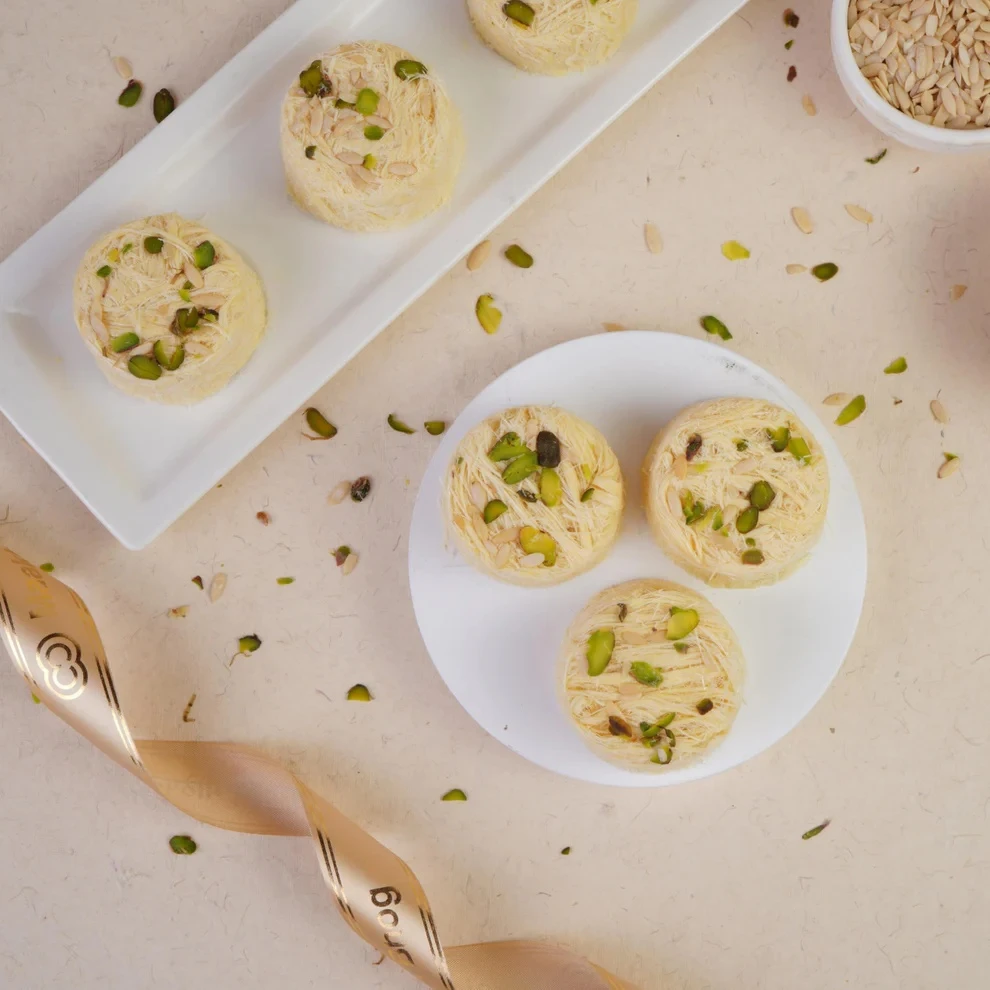

Soan Papdi is a popular dessert enjoyed during celebrations and special occasions. This soan papdi sweet is known for its soft layers and a light taste that melts easily in the mouth. Because of its unique structure and balanced sweetness, it has become a favourite treat for people of all ages.
India's sweets are closely connected to traditions and celebrations. During festivals, families prepare or purchase different desserts to share happiness with friends and relatives. Among many traditional Indian sweets, this delicacy is one of the most commonly gifted options because it is easy to pack and share.
Another reason people enjoy this dessert is that it feels lighter than many syrup-based treats. This Indian sweet has a crumbly structure instead of being soaked in sugar syrup, which makes it enjoyable even after a large meal. Understanding what makes this sweet special begins with learning about its key ingredients.
What is Soan Papdi?
Soan Papdi is a classic sweet known for its layered structure. When you break a piece, you can see many thin strands inside. These layers create the delicate flaky texture that makes this dessert different from others.
In most cases, the sweets are arranged in boxes and prepared in square pieces. It is commonly served to guests, especially during festive seasons and family gatherings. The mild sweetness and soft texture appeal to both children and adults.
Although the recipe may vary slightly in different regions, the overall preparation method remains similar. Over time, this dessert became widely available in sweet shops across India and is often included in festive gift packs.
The Main Ingredient Behind the Taste
The most important ingredient used in preparing this dessert is gram flour, a finely ground flour made from chickpeas. This ingredient forms the base of the recipe and plays a major role in creating the unique layers found in this sweet.
During preparation, the flour is roasted slowly in ghee. This roasting process releases a rich aroma and enhances the taste. The slightly nutty flavour developed during roasting contributes to the overall taste of the dessert.
Another commonly used flour name in Indian cooking is besan. When properly roasted and mixed with sugar syrup, it becomes flexible enough to form thin strands during stretching. This ability to form strands creates the light layered structure that makes the sweet so recognizable.
Other Ingredients Used in the Recipe
While the flour forms the base, several other items are also included in the recipe. These ingredients work together to give the dessert its flavour and texture.
Sugar
Sugar provides sweetness that balances the flavour. It is heated with water to create a syrup before being combined with the roasted flour mixture.
Ghee
Ghee adds richness and aroma to the sweets. It also helps roast the flour evenly and improves the overall taste.
Cardamom
Cardamom powder is often used for fragrance. This sweet is made more enjoyable by its mild aroma, which enhances its flavour.
Dry Fruits
Pistachios or almonds are sometimes added on top. They give a slight crunch and improve the sweet's appearance.
Together, these items make up the essential soan papdi ingredients that create the final dessert.
The Preparation Process
Many people are curious about how soan papdi is made because its layered structure looks complex. Even though the recipe uses simple ingredients, the method requires careful preparation.
First, the flour is roasted slowly in ghee until golden and aromatic. This step ensures that the mixture develops the correct flavour.
Next, sugar is heated with water to create a thick syrup. The syrup must reach the right consistency to combine properly with the roasted mixture.
Once both components are ready, they are mixed together and stretched repeatedly. This stretching process forms very thin strands that eventually become layers inside the sweet. After the strands are formed, the mixture is placed on trays and cut into neat pieces.
Read Related: How Soan Papdi is Made: Ingredients, Process & Tradition
Why This Sweet is Popular During Festivals
This dessert is often considered a festival sweet because it is commonly shared during celebrations. Festivals in India usually involve exchanging gifts and sweets, and this treat is a popular choice for that purpose.
One reason for its popularity is that it stays fresh longer than other desserts. Because it does not contain much syrup, it can be stored easily without losing its texture.
Another advantage is that the sweets are light and not overly rich, so people can enjoy it even after a large festive meal. This makes it suitable for serving guests at celebrations.
Availability in Modern Times
In earlier times, people usually purchased sweets from nearby mithai shops. Today, online stores have made it easier to order desserts from anywhere.
Many brands now allow customers to buy soan papdi online and have it delivered directly to their home. This is especially convenient during busy festival seasons when people may not have time to visit multiple sweet shops.
When choosing sweets online, select brands that focus on quality ingredients and traditional preparation methods. This helps maintain the authentic taste people expect from this classic dessert.
Conclusion
Soan Papdi is a beloved dessert known for its delicate layers and light taste. The key ingredient is gram flour, also called besan. This forms the base of the recipe and helps create its famous layered texture.
Combined with sugar, ghee, cardamom, and dry fruit, the ingredients come together to create a sweet enjoyed for generations. Its easy-to-share format and long shelf life make it especially popular at celebrations.
Whether served at home or shared as a gift, this traditional dessert remains a favourite among lovers of Indian sweets.









Sign in to leave a comment.