

Owning property in rural areas or villages often comes with its unique documentation requirements. One such crucial document is the Gram Panchayat Khata, which serves as an official record of property ownership under the local Panchayat authority. Converting property ownership using a Gram Panchayat Khata ensures that your property is legally recognized, and the ownership is updated correctly in government records. Services like Khata Broker help property owners navigate this process efficiently, avoiding common errors and delays.
In this article, we provide a detailed guide on how to convert property ownership using Gram Panchayat Khata, highlighting each step, required documents, and legal benefits.
What Is Gram Panchayat Khata?
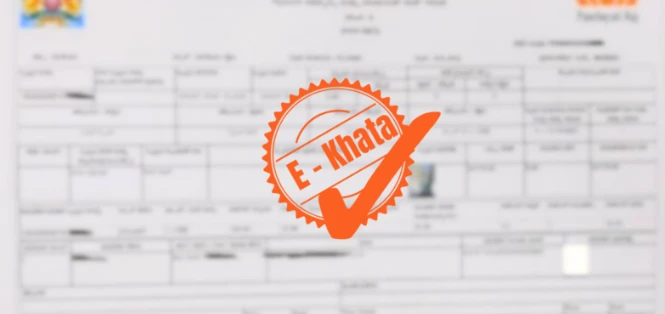
A Gram Panchayat Khata is an official record maintained by the local village panchayat that contains details of land or property ownership. It is primarily used in rural areas and small towns where municipal systems may not operate. The Khata includes:
- Owner’s name and details
- Property dimensions and location
- Land or property type (residential, agricultural, or commercial)
- Tax details, if applicable
Having an updated Gram Panchayat Khata is essential for property sales, inheritance transfers, loans, or legal verification.
Step 1: Verify Existing Khata Records
Before initiating property ownership conversion, it’s important to check the existing Khata details with the local Gram Panchayat office. Verify:
- Owner’s name and identification details
- Property boundaries and measurements
- Current tax status, if applicable
If there are discrepancies in the Khata, it is advisable to correct them first to avoid complications during the ownership transfer. Experts at Khata Broker assist clients in verifying and validating all records for accuracy.
Step 2: Prepare Required Documents
Proper documentation is critical for a smooth Gram Panchayat Khata conversion. Typical documents required include:
- Sale deed or property transfer agreement
- Identity proof of the new owner (Aadhar card, voter ID, etc.)
- Previous Khata copy
- Property tax receipts, if applicable
- Encumbrance certificate, if needed
A professional service like Khata Broker ensures that all documents are complete, properly formatted, and verified before submission. This step helps prevent application rejection or delays.
Step 3: Submit an Application to the Gram Panchayat
Once the documents are ready, the next step is to submit an application to the local Gram Panchayat. The application must include:
- Owner’s request for property ownership transfer
- Copies of all supporting documents
- Any applicable fees for processing
The Gram Panchayat office will issue an acknowledgment receipt after receiving the application. Using a service like Khata Broker ensures that the application is submitted correctly, adhering to all local rules and regulations.
Step 4: Verification by the Panchayat Officials
After submission, the Gram Panchayat officials conduct a thorough verification of the property and ownership details. This includes:
- Physical inspection of the property
- Cross-checking documents submitted
- Ensuring there are no legal disputes or claims on the property
Proper verification guarantees that the property ownership conversion is legitimate and free from legal complications. With Khata Broker, clients receive guidance on facilitating smooth verification by coordinating with local authorities.
Step 5: Approval and Issuance of Updated Khata
Once verification is complete, the Panchayat officials approve the transfer and issue a new Gram Panchayat Khata in the name of the new owner. This updated Khata reflects:
- Legal recognition of ownership
- Updated owner details
- Property tax and other official records, if applicable
Having an updated Khata ensures that the new owner can legally sell, mortgage, or use the property as needed. Khata Broker ensures that clients receive their updated Khata promptly and correctly.
Step 6: Payment of Applicable Fees and Taxes
During the conversion process, certain fees and taxes may apply depending on the property type and value. These may include:
- Transfer fees for the new Khata
- Outstanding property taxes, if any
- Administrative or documentation charges
Proper calculation and timely payment are crucial for avoiding delays. Experts at Khata Broker assist clients in determining exact charges and ensuring smooth completion of all financial obligations.
Benefits of Converting Property Ownership Using Gram Panchayat Khata
- Legal Recognition: Ownership is officially recorded in government records, making it legally enforceable.
- Ease of Sale or Transfer: An updated Khata simplifies future property sales or inheritance transfers.
- Access to Loans: Banks and financial institutions recognize Khata as proof of ownership for property-backed loans.
- Accurate Taxation: Property taxes are calculated correctly, avoiding disputes with local authorities.
- Prevention of Disputes: Clear ownership reduces the risk of legal disputes among family members or buyers.
Using Khata Broker ensures that all these benefits are fully realized by handling the process professionally and efficiently.
Conclusion
Converting property ownership using a Gram Panchayat Khata is a vital step for rural property owners. The process involves document verification, submission, inspection, and official approval by the Gram Panchayat. While it may seem complex, expert services like Khata Broker simplify the procedure, reduce errors, and ensure timely completion.
An updated Khata not only guarantees legal recognition but also makes future property transactions, taxation, and loans hassle-free. Property owners are advised to follow the correct process and seek professional guidance for a smooth and secure transfer of ownership.
Completing the Gram Panchayat Khata conversion is more than a legal formality—it is a crucial step toward safeguarding property rights and ensuring compliance with government regulations.




























Sign in to leave a comment.