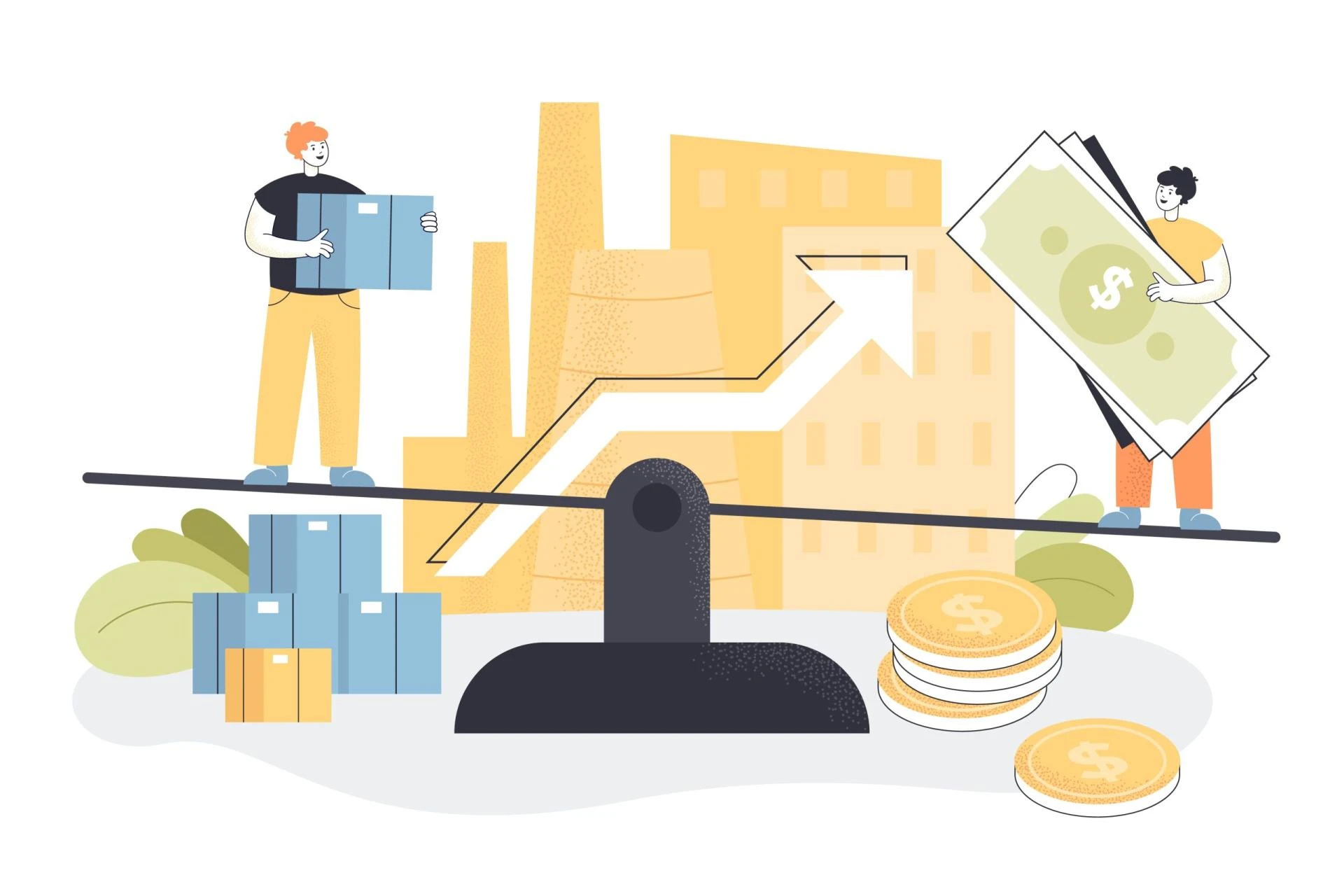

In today's complex and interconnected global economy, the valuation of commodities plays a critical role. From metal commodity prices to free live commodity prices, understanding the significance of valuing commodities is essential for a wide range of stakeholders, from investors to policymakers. In this blog post, we will explore the importance of commodity valuation, its impact on various sectors, and how it can provide valuable insights into economic trends.
The Basics of Valuation
Before diving into the significance of valuing commodities, let's start with the basics. Commodity valuation is the process of determining the worth or price of raw materials and primary agricultural products. These commodities can range from metals like gold and silver to agricultural products such as wheat and soybeans.
Valuation can be influenced by various factors, including supply and demand dynamics, geopolitical events, weather conditions, and economic indicators. It is crucial to have an accurate understanding of the value of commodities because they serve as the foundation for various industries and financial markets.
Impact on Metal Commodity Prices
Metals are among the most commonly traded commodities globally, and their prices have a significant impact on various sectors. Whether you are an investor, a manufacturer, or an individual consumer, metal commodity prices can affect your financial well-being. Here's why:
1. Manufacturing and Construction
Metals are vital components in manufacturing and construction industries. For instance, steel is a fundamental material used in the construction of buildings, bridges, and infrastructure projects. Fluctuations in metal commodity prices can influence the cost of production and, consequently, the prices of goods and services.
2. Investment and Speculation
Many investors choose to allocate a portion of their portfolios to commodities as a way to diversify their investments. Metals, such as gold and silver, are often seen as safe-haven assets during times of economic uncertainty. Therefore, understanding the valuation of these metals is crucial for investors looking to protect their wealth.
3. Economic Indicators
Metal commodity prices are often considered leading economic indicators. When metal prices rise, it can be a sign of increased industrial activity, as metals are used in various sectors. Conversely, a decline in metal prices may indicate economic slowdown or reduced demand.
4. Global Trade
Metals are a significant component of international trade. They are exported and imported by countries around the world, making metal prices a vital factor in trade balances and international relations. Valuation of metal commodities can impact trade policies and negotiations.
The Role of Free Live Commodity Prices
In the digital age, access to real-time information is more critical than ever. Free live commodity prices provide up-to-the-minute data on commodity markets, enabling traders, investors, and businesses to make informed decisions. Here's why free live commodity prices are significant:
1. Timely Decision-Making
Commodity markets are highly volatile and can change rapidly due to various factors. Free live commodity prices allow traders and investors to monitor market movements in real time, helping them make timely decisions to buy or sell commodities.
2. Risk Management
For businesses that rely on commodities as raw materials, free live commodity prices are essential for risk management. Companies can use real-time data to hedge against price fluctuations, ensuring stable production and pricing for their products.
3. Market Transparency
Free live commodity prices contribute to market transparency. They provide all market participants with equal access to information, reducing the potential for market manipulation and promoting fair trading practices.
4. Investment Opportunities
Individual investors and institutions can explore investment opportunities in commodities more easily with access to free live commodity prices. This accessibility allows a broader range of participants to engage in commodity markets.
Valuation and Economic Trends
Understanding the valuation of commodities goes beyond individual sectors. It can provide valuable insights into broader economic trends and conditions. Here are some ways in which commodity valuation can be a barometer for the overall economy:
1. Inflation Indicator
Commodity prices, especially those of essential goods like oil and food, are closely watched as indicators of inflationary pressures. When commodity prices rise, it can signal potential inflationary trends, prompting central banks and policymakers to adjust monetary policies accordingly.
2. Currency Values
Commodity prices are often denominated in a specific currency, such as the U.S. dollar. Changes in currency values can impact the cost of commodities for buyers and sellers. For example, a weaker currency can lead to higher commodity prices, which, in turn, can affect trade balances and economic stability.
3. Supply Chain Disruptions
The valuation of commodities can also shed light on supply chain disruptions. Natural disasters, geopolitical conflicts, or labor strikes in key commodity-producing regions can lead to supply shortages and price spikes. Monitoring these valuations can help companies anticipate and mitigate supply chain risks.
4. Energy and Environmental Policies
Commodity valuations, particularly in the energy sector, can influence energy and environmental policies. Higher oil prices, for example, may encourage governments to promote alternative energy sources and conservation measures.
The Role of Speculation
While commodity markets serve essential functions in facilitating price discovery and risk management, they are also influenced by speculation. Speculators are individuals or entities that trade commodities with the primary goal of profiting from price movements. While speculation can provide liquidity to markets, it can also lead to excessive volatility.
Policymakers and regulators often monitor and manage speculation in commodity markets to prevent excessive price swings that can harm consumers and businesses. Valuation of commodities helps policymakers gauge the influence of speculation on prices and take appropriate actions when necessary.
Conclusion
The significance of valuing commodities cannot be overstated. From metal commodity prices to free live commodity prices, these valuations have far-reaching implications for economies, industries, and individuals. They serve as indicators of economic health, drivers of investment decisions, and tools for risk management.
In an increasingly interconnected world, staying informed about commodity valuations is essential for anyone involved in financial markets, international trade, or the broader economy. By understanding the factors that influence commodity prices and monitoring valuations in real time, stakeholders can make informed decisions and navigate the complex landscape of commodity markets more effectively.
To Get Real-Time price of Commodities Visit: https://pricevision.ai/



























Sign in to leave a comment.