

The Vehicle Identification Number (VIN) is a code composed of numbers and capital letters, which uniquely identifies and distinguishes a vehicle. Each letter and number provides specific information about the car, including the make and model, place of origin, year, manufacturer, and engine size. In order for you to fully understand what the VIN is, think of this number as the fingerprint of a car. All Vehicle Identification Numbers are different, therefore each VIN is unique.
Until 1981, there was no homogeneous regulation by manufacturers to identify the vehicles that left their factories. Each had their own rules. As of that year (1981) the serial number of a car is 17 digits, between numbers and letters, and is used in a very similar way by all manufacturers. In this way, the unequivocal identification of any motor vehicle is possible.
Depending on the origin of the vehicle, its nomenclature may vary slightly. The ISO 3779 standard is used in the European Union, while a different system is used in Canada and the United States. The VIN number is always a very important piece of information, especially when you are planning to buy a used vehicle and want to learn more about its history. The VIN is also very helpful in knowing if your car has had any recalls.
All vehicles have a code that, like people's fingerprints, serves to identify them and obtain information on their origin or legal status. Next, we will tell you everything you need to know about the VIN of a vehicle, information that will be very useful to you, especially if you want to buy a used vehicle.
The VIN number of a car is a unique identification code that all vehicles have. This code is not repeated throughout the world and must be placed on all types of vehicles during manufacture. Its acronym comes from the English name of the code, Vehicle Identification Number, which means "vehicle identification number".
Which vehicles have a VIN code?
All; It does not matter if it is a car, motorcycle, truck, trailer or other type of vehicle, all must have a VIN code in a visible part. This code is made up of 17 characters and is approved throughout the world. The code has several groups of characters, each of them contains different information. The first group of 3 characters indicates which company made the car; the second group of 6 characters indicates what its general characteristics are; the third group of 8 characters indicates its original appearance.
Where on the vehicle can the VIN be seen?
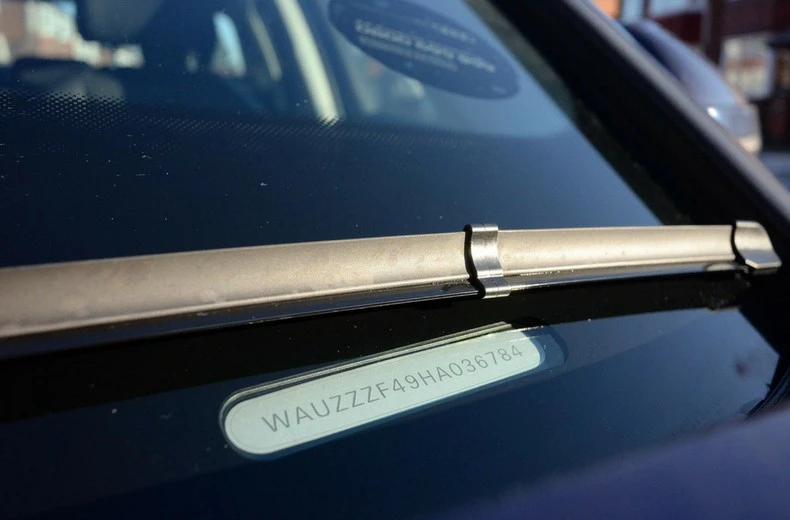
The VIN must not only appear on the legal documents of the vehicle, when it is manufactured it is also placed on various parts of the body and engine, such as:
in the engine.On the fender.In the lower corner of the windshield.On one of the front wheels.On the inside of the driver's door and, in some cases, the passenger's door.What is the importance of the VIN of a car?
Mainly, this identification code is so important because it is unique in the world: you will never find two cars with the same VIN. This turns out to be a great advantage when looking for information about the origin of the car. In addition, when a person wants to buy a used car, this code will help him verify that it is the same car that the documents reflect, since there may be dozens of identical cars in the world, but not with the same identification code.
How to identify if a car has an adulterated VIN?
Now that you know what the VIN of a car is, you must learn to identify when a code has been adulterated, to avoid losing your money and being a victim of fraud. The first thing you should do is verify that the code on the documents is the same as the one on the bodywork; if these do not match, you are facing an obvious fraud.
If both serials match, it is time to consult the vehicle's license plate on the RUS website, to find out if it has compulsory insurance or other types of insurance with MAPFRE or any other insurer. Once the previous step is finished, enter the car's VIN code on the RUNT website and verify there that the car has not been requested for theft and all its history, which includes traffic tickets, contracted insurance, etc.







Sign in to leave a comment.