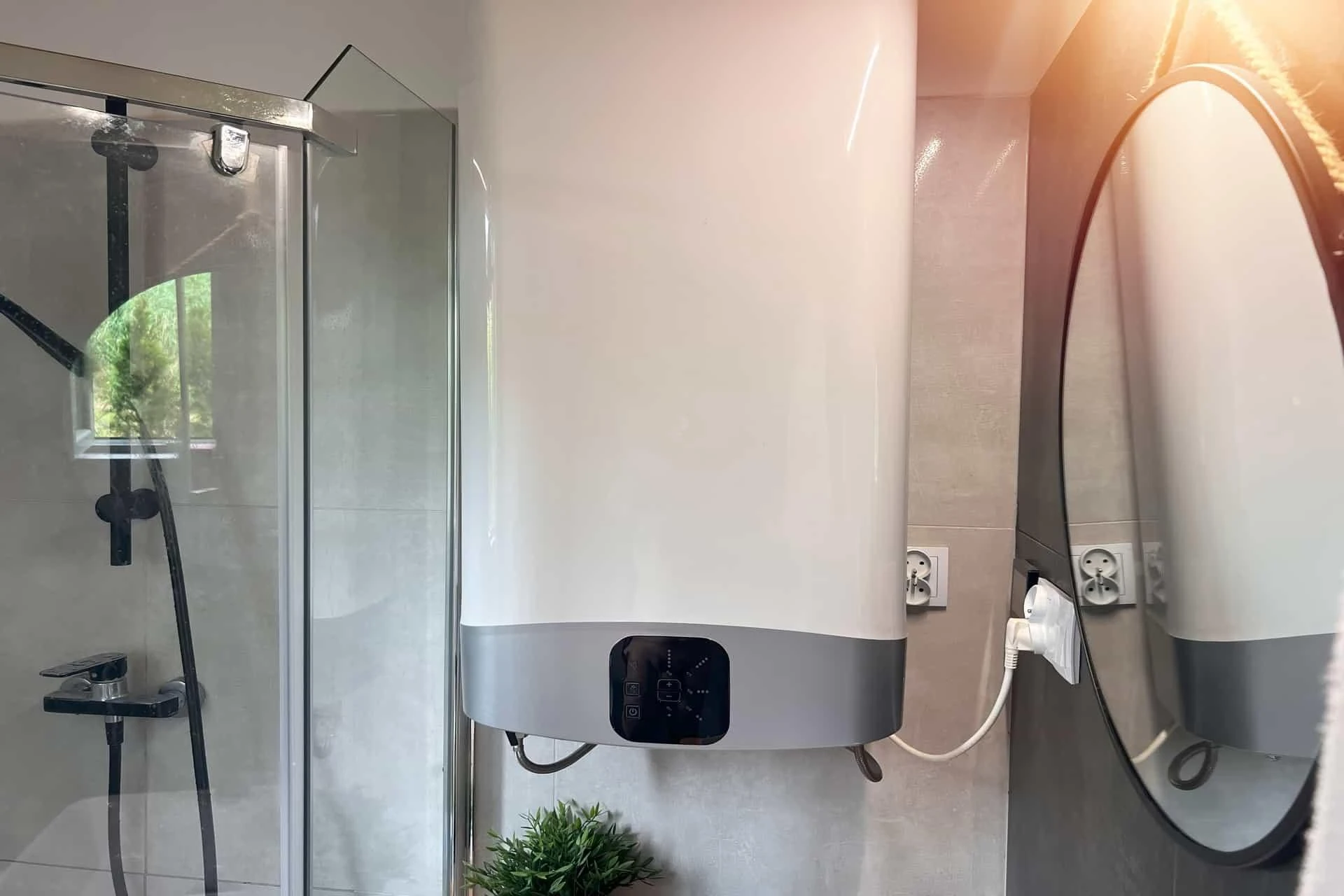

Water heaters are essential for providing hot water in your home for things like showers, cooking, and cleaning. However, with this convenience comes the need for safety measures to prevent accidents. One key safety feature of every water heater is the pressure relief valve. But what exactly does it do, and why is it so crucial? Let’s take a closer look.
What Does the Water Heater Pressure Relief Valve Do?
The water heater pressure relief valve, also known as the TPR valve (Temperature and Pressure Relief valve), is a safety mechanism designed to prevent dangerous situations. When the water in the heater heats up, it expands, which increases both the temperature and pressure inside the tank. If this pressure gets too high, it could cause the tank to rupture or even explode.
The pressure relief valve automatically opens when the pressure exceeds a safe level. It releases some of the built-up pressure by discharging hot water through a pipe. Once the pressure is normalized, the valve closes again to prevent any further leakage.
Why Is the Pressure Relief Valve So Important?
The pressure relief valve is one of the most important safety features in your water heater. Without it, excessive pressure could cause significant damage—such as tank ruptures, flooding, or burns from hot water. In other words, it helps to prevent potentially hazardous situations that could jeopardize your home and safety.
It ensures that the water heater can handle internal pressure and keeps everything operating within safe limits, which is vital for your peace of mind.
How Does the Water Heater Pressure Relief Valve Function?
The operation of the water heater pressure relief valve is relatively simple but highly effective. The valve opens when the internal pressure of the tank exceeds the preset limit, usually around 150 psi (pounds per square inch). Once it opens, hot water is released to bring the pressure down to a safer level.
Here’s a step-by-step breakdown:
- Pressure Detection: The valve is calibrated to open once the pressure exceeds a certain level—typically 150 psi.
- Water Discharge: After detecting high pressure, the valve opens and allows some of the hot water to escape through the discharge pipe, relieving the pressure inside the tank.
- Sealing: Once the pressure is reduced to normal, the valve automatically closes, stopping the water flow.
This action ensures that the water heater operates safely, preventing any pressure-related disasters.
When Should You Inspect the Water Heater Pressure Relief Valve?
To make sure the water heater pressure relief valve is in working condition, it’s important to inspect it periodically—ideally once a year. Here’s how to check it:
- Turn off the power to your water heater (electric or gas).
- Lift the lever on the valve to test if water flows out. If it does, the valve is functioning properly.
- Close the lever and check if the water continues to drip. If it does, the valve may need replacement.
If you’re unsure about testing the valve yourself, it’s always best to call a professional for help.
Signs That Your Water Heater Pressure Relief Valve May Be Faulty
Over time, like any mechanical component, the water heater pressure relief valve can wear out. Here are some warning signs that it might need replacing:
- Constant Dripping: If water is consistently dripping from the valve, it could indicate a stuck or broken valve.
- Rust or Corrosion: Visible rust or corrosion around the valve means it might not perform properly in an emergency.
- No Water Discharge: If no water comes out when you lift the valve lever, it could be clogged or malfunctioning.
If you notice any of these issues, it’s time to address them by replacing the valve or getting a professional plumber to inspect it.
Can You Replace the Water Heater Pressure Relief Valve Yourself?
Replacing the water heater pressure relief valve is possible for those with experience in water heater maintenance, but it’s generally a task better left to professionals. Improper installation can lead to dangerous pressure imbalances, which may cause harm.
If you feel confident doing it yourself, here’s a quick guide:
- Turn off the water heater and drain some water from the tank.
- Use a wrench to remove the old valve.
- Install the new valve, making sure it’s securely tightened.
- Turn the water and power back on and test the valve to ensure it functions correctly.
If you’re unsure at any step, hiring a licensed plumber to handle the replacement is a safe bet.
Tips to Keep Your Water Heater Pressure Relief Valve in Good Shape
To prevent issues with your water heater pressure relief valve, consider these helpful tips:
- Test the Valve: Check the valve at least once a year to ensure it’s working properly.
- Inspect for Corrosion: Look for signs of rust or corrosion around the valve. Replace it immediately if you see any damage.
- Get Professional Maintenance: Have a professional plumber inspect your water heater annually. They can catch potential problems before they escalate.
- Install an Expansion Tank: Adding an expansion tank helps accommodate pressure changes due to thermal expansion, reducing stress on the relief valve.
By maintaining your valve and scheduling regular inspections, you’ll ensure your water heater operates safely and efficiently.
Final Thoughts: The Importance of the Water Heater Pressure Relief Valve
The water heater pressure relief valve is a small but crucial component that helps prevent dangerous pressure build-up within the tank. By testing and maintaining the valve regularly, you can avoid costly and potentially hazardous problems with your water heater.
Need assistance with your water heater or plumbing? Gleason Heating and Air Conditioning is here to help. Proudly serving Wauconda, IL, and the surrounding northern Chicago suburbs, we offer expert plumbing, HVAC, and electrical services to keep your home safe and comfortable. Contact us today to schedule a service!



























Sign in to leave a comment.