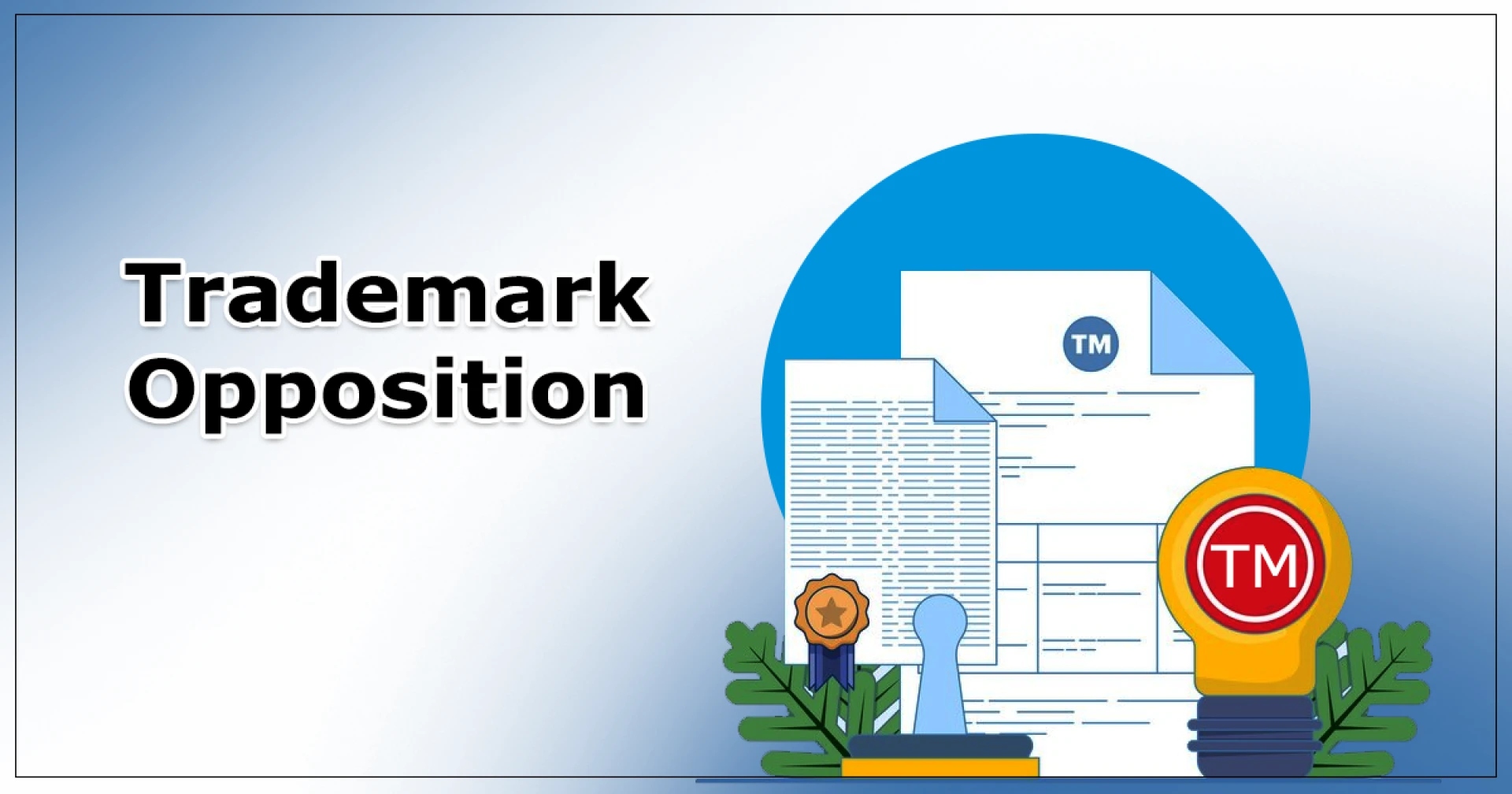

A trademark opposition decision is a ruling made by a trademark office or court in response to an objection raised against the registration of a trademark. This decision typically occurs during the trademark application process and serves as a crucial part of the legal process for protecting intellectual property rights. In essence, it resolves a dispute between the party applying for a trademark and another party who opposes the application, claiming that the trademark should not be registered. Trademark opposition can be a complex, multi-step process, and the decision ultimately influences whether or not the trademark will be granted legal protection.

The Opposition Process
When a party applies for a trademark, the application is usually published for a period of time (often 30 days), allowing other interested parties to review it and file an opposition if they believe that the trademark application should be refused. The grounds for opposition vary but commonly include:
- Likelihood of Confusion: The opposing party argues that the new trademark is too similar to their own registered or pending trademark, which could confuse consumers about the source or origin of the goods or services.
- Descriptiveness: The opposition may claim that the trademark is merely descriptive of the goods or services and thus not eligible for trademark protection.
- Genericness: If the trademark is too generic and does not serve as a unique identifier of a product or service, it can be opposed.
- Deceptiveness: The opposing party might argue that the trademark is misleading or deceptive to consumers.
- Non-Use: If a trademark has not been in use in commerce for a certain period of time, it may be opposed on the grounds that it should be abandoned.
Filing and Responding to an Opposition
If an opposition is filed, the applicant has the opportunity to respond. The opposition process usually follows these steps:
- Notice of Opposition: This is the formal document filed by the opposing party stating their objections and legal reasons why the trademark should not be registered. It must be submitted to the trademark office within the opposition period (usually 30 days after publication).
- Response to Opposition: The applicant must respond to the opposition within a specific time frame, typically 30-60 days. This response usually includes legal arguments and evidence to counter the opposition's claims.
- Discovery and Evidence: Both parties may submit evidence supporting their positions. This can include documents, witness testimony, market surveys, and other forms of evidence.
- Hearing: In some cases, a hearing may be held where both parties present their arguments to the trademark office or a court. This step is more common in disputes that are complex or involve significant claims.
- Final Decision: After reviewing the opposition, the responses, and all evidence presented, the trademark office will issue a final decision. This decision can either allow the trademark to proceed to registration, reject the application outright, or provide a conditional ruling such as requiring amendments to the application or further negotiations.
The Trademark Opposition Decision
The opposition decision essentially determines whether the trademark applicant can successfully register their mark or whether the opposing party's objections are valid. A few potential outcomes include:
- Trademark Registration is Granted: The opposition is dismissed, and the application proceeds to registration. The applicant receives legal protection for the trademark, granting them exclusive rights to use the mark in commerce.
- Trademark Application is Refused: If the opposition is upheld, the application may be refused, meaning the applicant cannot register the trademark. This decision may be based on strong objections like a likelihood of confusion with an existing trademark.
- Amendment of the Application: Sometimes, the trademark office may find that there are some valid objections but not enough to refuse registration entirely. In this case, the applicant might be allowed to amend the application, such as changing the description of goods or services, modifying the mark itself, or withdrawing the application for certain parts of the trademark.
- Settlement: If both parties reach a settlement during the opposition process, the trademark office may allow a consent agreement to be filed. This can involve an agreement on limitations, coexistence, or licensing arrangements, allowing the application to move forward.
Appeals and Further Legal Action
If either party is dissatisfied with the opposition decision, they have the right to appeal the decision. The appeal process may involve a higher-level administrative body, a court, or a specialized intellectual property tribunal, depending on the jurisdiction. Appeals typically focus on legal errors, such as misapplication of trademark law, rather than re-examining the facts of the case.
Significance of Opposition Decisions
A trademark opposition decision is significant because it protects the rights of existing trademark holders and ensures that the trademark registration system is not abused by granting exclusive rights to marks that may harm competition or deceive consumers. It is a tool for safeguarding the integrity of the trademark system and ensuring that trademarks remain distinctive and properly reflective of the goods and services they represent. For businesses, a successful opposition decision can prevent market confusion, brand dilution, and unfair competition.





























Sign in to leave a comment.