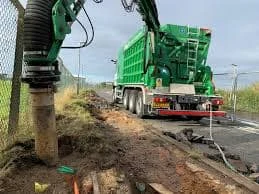

Beneath towns, cities, and rural areas lies an intricate network of essential infrastructure. Water pipes, gas lines, electrical cables, and telecommunication systems all run underground, hidden from view but vital to daily life. Accessing and maintaining these systems requires a process known as utility excavation.
Utility excavation refers to the controlled removal of soil or surface material to reach underground utilities for installation, inspection, repair, or replacement. It plays a central role in ensuring that communities have reliable access to water, energy, and communications. Without proper utility excavation, infrastructure projects would be riskier, less efficient, and more prone to costly disruptions.
Why Utility Excavation Matters
Utility excavation is more than simply digging a hole. It requires planning, precision, and the right technology to avoid damaging existing services while carrying out necessary work. Its importance lies in maintaining safety, protecting infrastructure, and ensuring that modern communities continue to function smoothly.
Supporting Everyday Life
From turning on a tap to using a smartphone, people rely on underground utilities every day. Utility excavation allows for the installation and upkeep of these networks, making modern living possible.
Preventing Service Disruptions
Safe and effective excavation prevents unnecessary damage to utilities. This reduces the risk of outages that could leave households and businesses without critical services.
Enhancing Public Safety
Utility excavation is also important for public safety. Damaging a gas line or electrical cable during unplanned digging can create life threatening hazards. Careful excavation methods protect both workers and the public.
Key Applications of Utility Excavation
Installation of New Utilities
As populations grow and new developments emerge, additional infrastructure must be installed. Utility excavation ensures that new water mains, sewers, gas lines, and communication cables can be safely placed underground.
Maintenance and Repairs
Existing utilities require regular inspection and repair. Excavation makes it possible to access buried infrastructure quickly and safely when problems occur.
Emergency Response
In cases of burst water mains, gas leaks, or electrical failures, utility excavation provides the fastest way to access and fix the issue. Rapid excavation minimizes downtime and restores essential services sooner.
Infrastructure Upgrades
Utility excavation supports modernization efforts such as upgrading power grids, expanding broadband networks, and replacing outdated pipes. These projects ensure that infrastructure keeps pace with the demands of modern society.
Methods Used in Utility Excavation
Traditional Mechanical Excavation
Mechanical diggers and backhoes are commonly used in larger excavation projects. They are effective for quickly moving soil but must be operated carefully around sensitive utilities to prevent damage.
Hand Digging
Hand tools are often used in delicate areas where utilities are closely packed or at shallow depths. Though slower, hand digging provides greater control and precision.
Vacuum Excavation
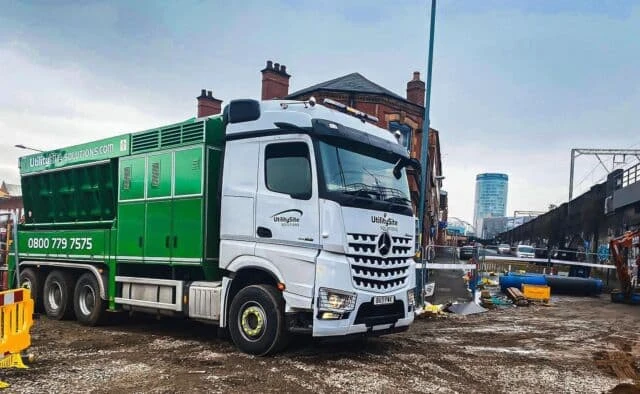
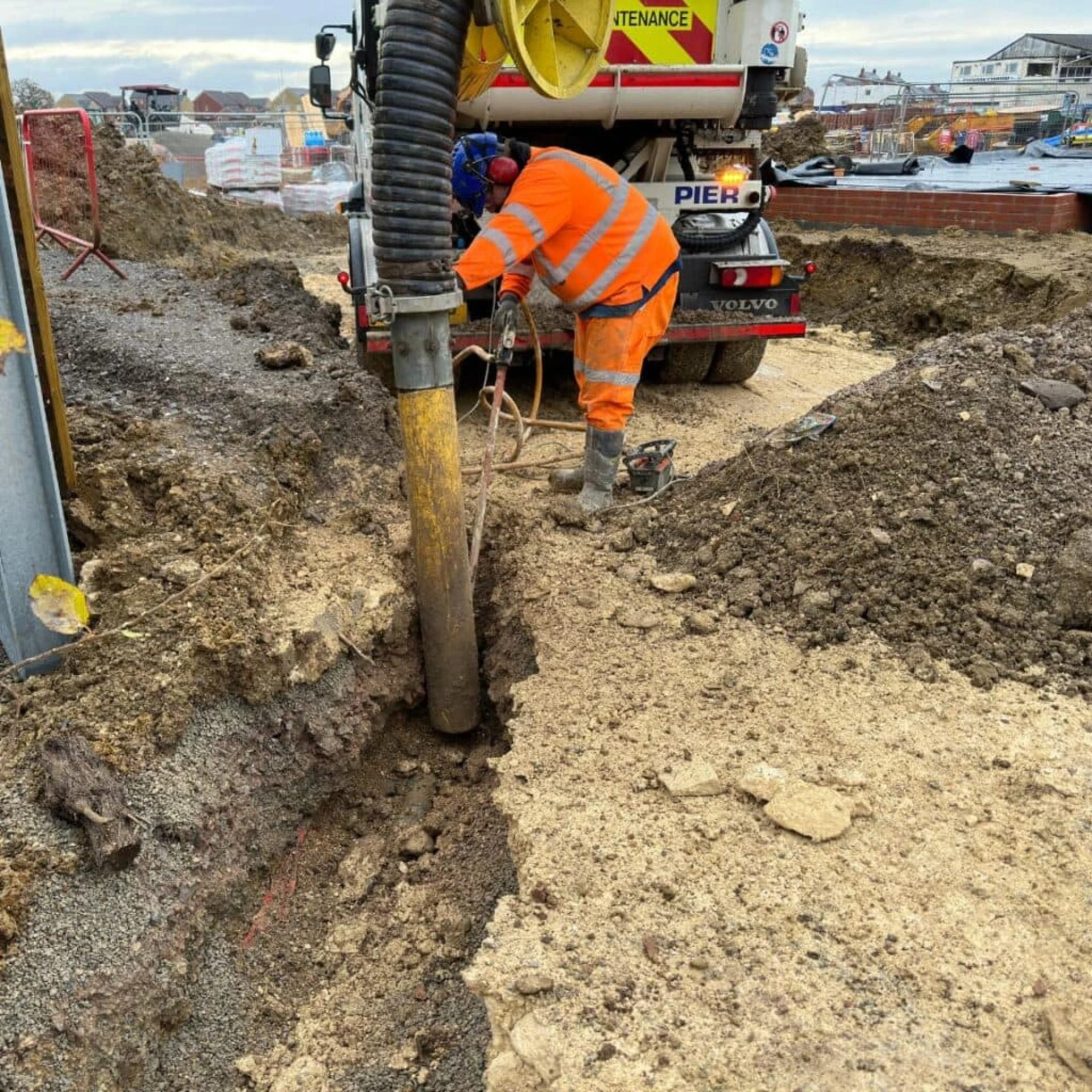
Vacuum excavation uses suction to safely remove soil and expose utilities. This method reduces the risk of utility strikes and is widely considered one of the safest and most efficient approaches.
Trenchless Techniques
In some cases, trenchless technology such as directional drilling is used to install utilities without the need for extensive excavation. This minimizes disruption to roads and surrounding areas.
Safety Considerations in Utility Excavation
Site Surveys and Planning
Before excavation begins, thorough surveys are conducted to locate underground utilities. Modern technologies such as ground penetrating radar and digital mapping improve accuracy and reduce risk.
Risk Assessments
Every excavation project requires a detailed risk assessment. This ensures that potential hazards are identified and managed before work begins.
Protective Equipment and Training
Workers involved in utility excavation must wear proper safety gear and receive adequate training. This ensures they understand excavation risks and know how to respond to emergencies.
Preventing Collapses
When trenches are dug, shoring systems or protective supports are used to prevent soil collapse and protect workers inside excavation areas.
Environmental Impact of Utility Excavation
Minimising Surface Damage
Utility excavation can disrupt roads, pavements, and landscapes. Using safe and controlled techniques reduces this impact, making restoration easier.
Dust and Noise Control
Modern excavation methods are designed to limit dust and noise, helping projects remain environmentally responsible and community friendly.
Supporting Sustainable Development
By ensuring utilities can be maintained and upgraded efficiently, excavation supports sustainable infrastructure growth. Communities benefit from reliable services while minimising environmental disruption.
The Role of Utility Excavation in Infrastructure Development
Without effective utility excavation, infrastructure projects would be unable to meet growing demands. It ensures that new housing, transport systems, and commercial developments can connect seamlessly to essential services. The process is also critical for maintaining and upgrading existing networks, helping regions adapt to changing technology and population growth.
Urban Development
In densely populated cities, excavation supports projects such as new transport routes, utility expansions, and smart city technologies.
Rural Connectivity
In rural areas, excavation allows new utility lines to be installed, ensuring smaller communities have access to the same essential services as urban centers.
Long Term Reliability
By enabling regular maintenance, excavation ensures underground utilities last longer and function more reliably, reducing the frequency of costly breakdowns.
The Future of Utility Excavation
As infrastructure continues to evolve, utility excavation will become even more advanced. Technology such as robotics, automated mapping, and improved vacuum systems are likely to make excavation safer, faster, and less disruptive. Contractors and planners will increasingly rely on these innovations to balance the growing demand for infrastructure with the need for safety and sustainability.
Conclusion
Utility excavation is a crucial process that keeps modern life running smoothly. It allows for the installation, repair, and upgrade of underground services while protecting infrastructure and public safety. From supporting urban growth to ensuring rural communities remain connected, its importance cannot be overstated. With advancements in technology and a greater focus on sustainability, utility excavation will continue to play a central role in building and maintaining the infrastructure of the future


























Sign in to leave a comment.