What Is Virtual Production and How Does It Work?


Imagine filming a scene on a snowy mountain without leaving a studio. The actors are standing on a real set, but the mountains, sky and snow-covered landscape behind them are digital. As the camera moves, the background changes to match its position, making the scene look more realistic.
This is one of the ways virtual production is changing how films and videos are made. Filmmakers have always faced challenges when finding locations, building sets and working with unpredictable weather. Virtual production gives them another way to create scenes by combining real filming with digital technology.
But what is virtual production, and how does it work? Understanding the process can help filmmakers, video creators and businesses decide whether it is the right choice for their next project.
What Is Virtual Production?
Virtual production is a filmmaking method that brings digital environments and real-world filming together. It allows directors and production teams to create, view and adjust digital scenes during different stages of production.
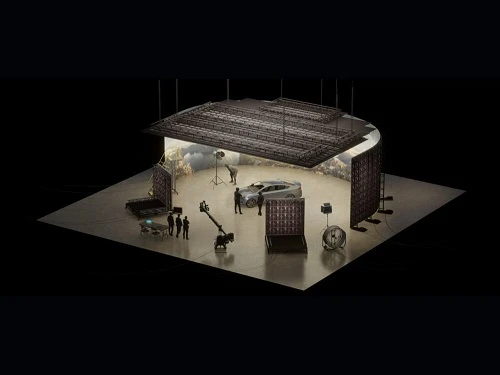
One common approach uses large LED screens to display digital backgrounds behind actors and physical sets. These screens can show city streets, mountain landscapes, space stations or places created entirely from imagination.
Unlike traditional green-screen filming, where digital backgrounds are usually added during editing, LED-based virtual production allows filmmakers to see much of the planned environment while recording.
For example, a scene inside a moving train could be filmed using a real train carriage built inside a studio. Large screens outside the windows could show trees, buildings and fields passing by. The actors remain in one place, but the moving background helps create the feeling of a real journey.
Virtual production also includes other techniques, such as planning camera shots inside 3D environments and using computer-generated images during filming. It does not always require LED screens.
How Does Virtual Production Work?
Virtual production uses several technologies that work together to combine real actors, physical objects and digital surroundings. Here's how the process usually works when filming with LED screens.
1. Creating a Digital Environment
Before filming begins, artists create the digital location needed for the scene. They use 3D design software to build landscapes, buildings, rooms and other details. These environments can be based on real places or created from scratch.
For example, a production team making a science fiction film might design a futuristic city with tall buildings, flying vehicles and glowing lights.
Software such as Unreal Engine can display these environments in real time, allowing the team to explore the scene before filming. The director can review the background, check its appearance and request changes before the shoot begins.
2. Displaying the Scene on LED Screens
Once the digital environment is ready, it can be displayed on large LED screens inside a filming studio. These screens are often placed behind the actors and may extend around the filming area.
Physical objects, such as furniture, vehicles or parts of a building, can be positioned in front of the screens.
Imagine filming a scene inside a spaceship. The production team might build a real control panel and seats, while the LED screens show the rest of the spacecraft and the stars outside.
The camera then captures the real set and the digital background together. This allows filmmakers to create the appearance of a much larger location without building every part of it.
3. Tracking Camera Movement
Camera tracking is an important part of making virtual production look convincing. When a camera moves, the digital background must change its perspective to match.
Special tracking systems measure the camera's position and movement. This information is sent to the software controlling the digital environment.
Think about looking out of a window. If you move your head to the left, the view outside changes slightly. Camera tracking helps create a similar effect with digital backgrounds.
Without accurate tracking, the background may look flat or appear to move in the wrong direction.
4. Matching the Lighting
Good lighting helps make a scene believable. One benefit of LED-based virtual production is that the screens produce light as well as images.
For example, if an actor is standing in front of a digital sunset, the screen can cast warm colours onto their face and clothing.
If a car is filmed against a city at night, the digital lights may create reflections on its windows and bodywork.
However, LED screens do not replace all traditional lighting equipment. Lighting crews still use additional lights to control shadows, highlight subjects and achieve the right look.
The aim is to make the real objects and digital surroundings feel like parts of the same scene.
5. Filming and Making Changes
Once the digital environment, camera tracking and lighting are ready, filming can begin. The director can see how the actors and background look together through the camera.
If something needs changing, certain parts of the digital environment can be adjusted during filming.
For example, the team may change the colour of the sky, move a digital object or adjust the position of a virtual light source. These changes depend on how the scene has been prepared and the technology available.
Some shots can be recorded with most of the background already visible in the footage. Others may still need further visual effects and editing.
What Are the Benefits of Virtual Production?
Virtual production can help filmmakers solve several problems that often come with traditional filming.
More Freedom When Choosing Locations
Finding the right location isn't always easy. Some places are difficult to reach, while others require permission, travel arrangements or expensive equipment.
Virtual production allows filmmakers to recreate selected locations digitally. A scene set in a desert, for example, could be filmed inside a studio using a digital landscape.
This doesn't mean real locations are no longer useful. Outdoor filming still offers natural details and surroundings that can be difficult to reproduce. However, digital environments provide another option when travelling is not practical.
Better Control Over Weather and Time of Day
Outdoor shoots often depend on weather conditions. A sudden rain shower can interrupt filming, while changing sunlight may affect how shots look.
With virtual production, filmmakers can control many parts of the digital background. A scene requiring a sunset can keep the same digital sky throughout filming, rather than relying on a short period of natural light.
This can make it easier to maintain a consistent appearance across different shots.
Helping Actors Understand Their Surroundings
Acting in front of a green screen can be challenging. Performers may need to imagine buildings, landscapes or other objects that will only appear after editing.
LED screens allow actors to see much of the digital environment while filming. If a scene takes place on a mountain, for example, the actors may be able to see the surrounding landscape.
Having this visual reference can help them understand the setting and respond more naturally during their performance.
Making Some Productions Easier to Manage
Filming in different locations takes time and planning. Production teams need to move cameras, lighting equipment, actors and crew members between places.
Virtual production can reduce some of this work by allowing selected scenes to be filmed in one studio using different digital backgrounds.
However, creating these environments also requires preparation. The time and cost benefits depend on the size of the project, the type of scenes and how well the production is planned.
What Is the Difference Between Virtual Production and Green Screen?
Virtual production and green-screen filming both allow filmmakers to place actors in digital environments. However, they work in different ways.
With green-screen filming, actors perform in front of a green background. The background is then replaced with digital images during post-production.
In LED-based virtual production, the digital background is displayed on screens while filming takes place. This means directors can see much of the intended scene through the camera, and actors can see the surroundings behind them.
LED screens can also create lighting and reflections that match the digital environment.
Green screens still have advantages. They can be useful when a project needs detailed visual effects, complex background changes or greater flexibility during editing.
The better choice depends on what the scene needs, the available equipment and the production budget.
Where Is Virtual Production Used?
Virtual production can support many types of video content, from feature films to promotional videos.
Film and Television
Filmmakers can use virtual environments to create imaginary worlds, extend physical sets and recreate locations that are difficult to access.
Television productions can also use digital settings to maintain consistent backgrounds across different filming days.
Advertising and Commercial Videos
Advertisements often need carefully planned settings to make products look their best.
For example, a car advert might show a vehicle travelling through a city and along a mountain road. Virtual production can allow selected shots to be filmed inside a studio with different digital backgrounds.
Music Videos
Music video directors often want unusual settings and creative visuals. Virtual production makes it possible to place performers in colourful digital environments without building every part of the scene physically.
Corporate Videos and Presentations
Businesses can use digital backgrounds for promotional videos, presentations and company announcements.
Virtual Studios can help create settings that match a brand's visual style, particularly when several videos need a consistent appearance.
However, a simple interview or presentation may not need a complex digital setup. The technology should suit the content being filmed.
What Equipment Is Needed for Virtual Production?
The equipment depends on the filming method, but an LED-based setup commonly includes:
- LED screens: Display digital backgrounds during filming.
- Camera tracking systems: Help the digital environment respond to camera movements.
- Real-time rendering software: Creates and displays digital scenes.
- Cinema cameras: Record actors, physical sets and digital backgrounds.
- Lighting equipment: Helps match the appearance of real and digital elements.
- Powerful computers: Run the software and support the digital environment.
Experienced technicians are also important. They help prepare the equipment, check camera tracking and make sure the different systems work together correctly.
What Are the Challenges of Virtual Production?
Although virtual production offers creative benefits, it isn't suitable for every project.
One challenge is the cost of specialist equipment. Large LED screens, camera tracking systems and powerful computers can be expensive to use.
Creating realistic digital environments also takes time. Detailed backgrounds may require skilled artists and careful planning before filming begins.
Technical problems can affect the result as well. If the camera tracking is inaccurate, the digital background may not move correctly. Certain camera settings can also cause unwanted patterns to appear when recording LED screens.
Space is another consideration. The size of the studio and LED walls can limit how the camera moves and which angles can be filmed.
For smaller projects, traditional filming methods may be simpler and more affordable. The important thing is to choose virtual production when it offers a clear benefit to the scene.
Is Virtual Production the Future of Filmmaking?
Virtual production is becoming an important option for filmmakers who want more control over digital environments.
As LED technology, camera tracking and real-time software improve, production teams may find more ways to use these tools.
However, traditional filmmaking will continue to have an important place. Real locations, physical sets and practical effects offer details and experiences that digital technology cannot always reproduce.
Many productions can benefit from using both approaches.
For example, a director might film outdoor scenes at real locations, use physical sets for indoor scenes and choose virtual production for backgrounds that would be difficult to create otherwise.
This flexibility gives filmmakers more freedom to choose the best approach for each scene.
Final Thoughts
Virtual production combines real filming with digital environments, allowing filmmakers to create scenes that might otherwise be difficult, expensive or impractical to shoot.
From displaying realistic backgrounds on LED screens to tracking camera movement and controlling lighting, the technology offers new ways to approach film and video production.
It doesn't remove the need for planning, skilled crews or creative ideas. Instead, it gives production teams more tools to work with.
Understanding what is virtual production and how it works can help filmmakers and businesses decide whether it is suitable for their projects. When used for the right scenes, it can make filming more flexible and help bring creative ideas to life.





Sign in to leave a comment.