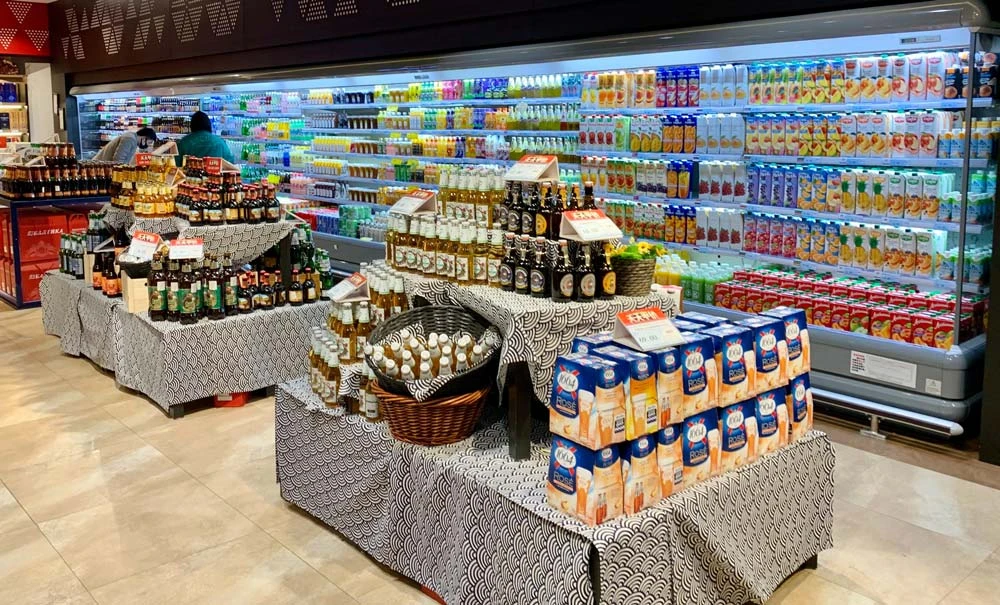

Content Outline
- Introduction to Visual Merchandising
- Why Visual Merchandising matters in retail stores
- Key elements of Visual Merchandising
- Types of Visual Merchandising in retail
- Role of Visual Merchandising Software
- Benefits of using Visual Merchandising Software
- How retailers use Visual Merchandising to grow sales
- Why businesses choose professional Visual Merchandising Software
1. Introduction to Visual Merchandising
Visual Merchandising in retail is the practice of arranging products, displays, colors, lighting, and store layouts in a way that attracts customers and encourages them to buy. When a customer walks into a store, the first few seconds matter. What they see, how products are placed, and how easy it feels to move around the store all influence buying decisions.
Retailers use Visual Merchandising to guide customers through the store and highlight key products. It is not just about making the store look good. It is about creating a clear and simple shopping experience that helps customers find what they need faster.
2. Why Visual Merchandising Matters in Retail Stores
Retail stores face strong competition. Customers have many choices, both offline and online. Visual Merchandising helps physical stores create a reason for customers to stay longer and buy more.
When products are displayed properly, customers feel comfortable and confident. Clear shelves, neat displays, and visible pricing reduce confusion. This leads to better customer satisfaction and higher sales. Visual Merchandising also helps brands maintain consistency across different store locations.
3. Key Elements of Visual Merchandising
Several elements work together to make Visual Merchandising effective:
- Store Layout: Proper placement of aisles, shelves, and counters helps customers move easily.
- Product Placement: High-demand or promotional items are placed at eye level.
- Lighting: Good lighting highlights products and improves visibility.
- Color and Signage: Colors and signs guide customers and share offers clearly.
- Window Displays: Store windows attract foot traffic and set expectations.
Each element supports the main goal of Visual Merchandising, which is to improve the shopping experience.
4. Types of Visual Merchandising in Retail
Retailers use different types of Visual Merchandising based on store size and product category:
- Window Visual Merchandising: Displays used to attract people outside the store.
- In-store Visual Merchandising: Shelf arrangement and product grouping inside the store.
- Point-of-Sale Displays: Small displays near billing counters for quick purchases.
- Seasonal Displays: Special setups during festivals or sale periods.
All these forms of Visual Merchandising help stores connect better with customers.
5. Role of Visual Merchandising Software
Managing displays across multiple stores can be difficult when done manually. This is where Visual Merchandising Software becomes useful. It helps retailers plan, track, and control store displays from a single system.
With Visual Merchandising Software, businesses can share display guidelines with store teams, track execution, and ensure that brand standards are followed everywhere. It reduces errors and saves time.
6. Benefits of Using Visual Merchandising Software
Retailers who use Visual Merchandising Software see clear operational benefits:
- Central control of store layouts and planograms
- Faster communication with store staff
- Better compliance with brand display rules
- Real-time visibility of store execution
- Reduced dependency on manual checks
Visual Merchandising Software helps retailers stay organized and consistent, even when managing many locations.
7. How Retailers Use Visual Merchandising to Grow Sales
Visual Merchandising directly impacts sales by guiding customer behavior. When products are easy to see and reach, customers are more likely to buy. Clear category grouping also encourages cross-selling.
Retailers use Visual Merchandising Software to analyze store performance and improve layouts based on real data. This helps businesses focus on what works best instead of relying on guesswork.
8. Why Businesses Choose Professional Visual Merchandising Software
As retail operations grow, manual processes become harder to manage. Professional Visual Merchandising Software provides structure and control. It helps retail brands maintain the same look and feel across all stores while reducing operational stress.
For businesses that want better store execution, improved sales visibility, and consistent branding, Visual Merchandising supported by the right Visual Merchandising Software becomes a smart choice.




Sign in to leave a comment.