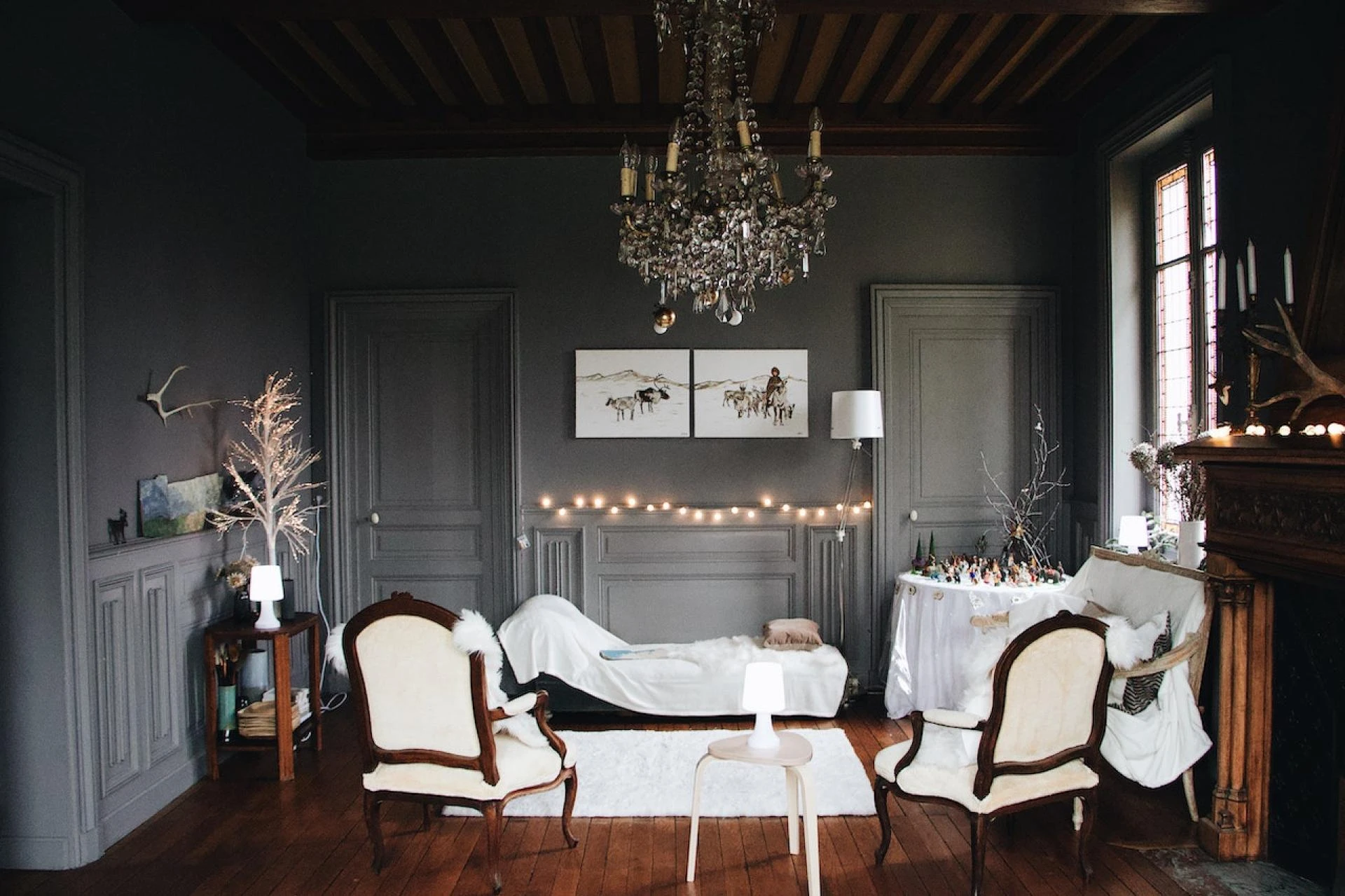

Interior Designing is concerned with the creative process of designing visually appealing & practical interior spaces for commercial, residential & industrial projects. It encompasses the effective utilization of spaces, lighting, colour, functionality & texture besides conducting research & site inspection to create superb experiences for the occupants.
The multifaceted Interior Designing comprises of several stages including research, conceptualisation, analysing of people’s likes & dislikes, space planning, knowledge of traditional as well as modern techniques, analysis of socio-cultural influences, understanding of emerging trends & collaboration with different stakeholders, vendors & architects etc. The goal of these stages is to design captivating interiors so as to meet the requirements of the clients.
Career Opportunities after Interior Design diploma course:
On completion of interior design diploma course, the aspirants get equipped with a range of skill set that will open varied job opportunities such as:
Kitchen Designer: He collaborates with homeowners to understand their specific needs such as their cooking style, lifestyle, habits, family size, storage necessities, kitchen area, appliance preferences, maintenance requirements, choice of fittings and material etc. Utilizing this information, they conceptualize well-balanced, functional & sublime kitchen design.
Interior & Spatial Designer: He is an expert in designing interiors that are practical & stunning, yet efficient. He employs his technical & artistic skills along with his knowledge of design principles & colour theory etc. to deliver superior interiors for residences, commercial spaces & retail stores etc. He customizes his designs to address the requirements of the client, their budgets & preferences etc. Usually, he focuses on a particular area of design, such as residential or commercial or hospitality and may work for a design firm, an architectural firm or as an independent contractor.
Set designer/Art Director/Production Designer: Being a skilled craftsman, he designs visual concepts and physical environments for varied performances such as films, theatrical production & TV. He strives to understand the creative vision of writers, cinematographers, directors & production team etc. and accordingly adapt the camera angles, set, lighting, costumes, locations & props etc., thus enliven the script & story.
Lighting Designer: His responsibility entails designing such lighting solutions that enhance the mood and look of both commercial & residential interiors. His role has become crucial since people have become increasingly aware of the way lighting affects the overall wellbeing and quality of life.
Researcher: In order to stay ahead in the leading position and stay up-to-date with the latest trends, he conducts research and then analyse & evaluates range of factors that affect the design preferences. These may include sustainable environment friendly materials, socio cultural influences, emerging trends along with traditional & modern techniques etc. These efforts enable the designers to develop their distinct style that sets them apart from their peers.
Exhibition Designer: It is his duty to create the concept & theme of the exhibition, along with designing the flow, layout, identifying the location besides choosing the material etc. while keeping in mind the client’s brief, the messaging, product being displayed, brand language, ethos of the organization & budget constraints. He is accountable for managing varied large scale commercial projects, public exhibitions, trade shows, conferences for industry, education or trade & cultural exhibitions, showcase events etc.
Sustainable Interior Designers: He is primarily responsible for creating interior spaces that are environmentally sustainable with focus on reducing carbon footprint and promoting a responsible & healthy lifestyle. He advocates for the use of sustainable materials and techniques that reduces energy consumption, encourage use of recycled as well as eco-friendly materials and products and minimizes waste. His ultimate objective is to maximise the use of natural light and ventilation, while also promoting indoor air quality.























Sign in to leave a comment.