
When you move into a new place, you hope it feels like “home” fast. You’ll find some rentals offer glossy pools and fancy gyms, but those don’t always make a community. In Coral Gables, the feel of a place comes from streets, neighbors, architecture, shared routines, and small moments.
In many Rental Communities in Coral Gables you’ll see perks, but the soul comes from everyday life. This article explores what really makes a community feel like home — so when you hunt for your next place, you don’t pick only by features, but by feeling.
We’ll walk through what shapes vibe, what to test when you move in, and how to choose a place that fits your life — not just your wishlist.
Streets, Design & Walkability
What your streets look like, how the roads and sidewalks weave — that’s the foundation of feel.
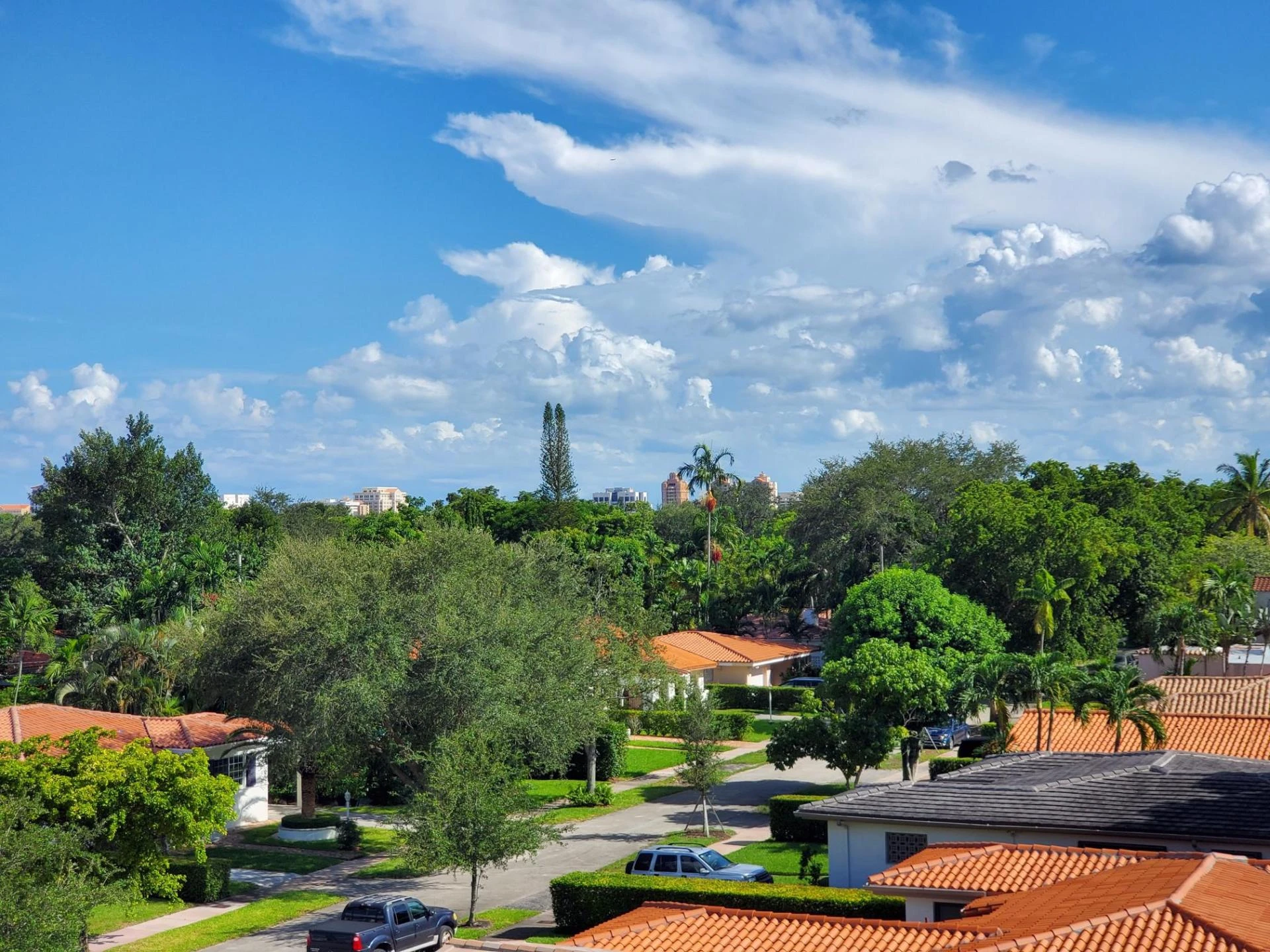
Coral Gables was designed with intent. It follows Mediterranean-Revival style, strict zoning, uniform architecture, and tree-lined streets. That gives visual harmony.
Because of those rules, one block often looks like the next. That consistency subconsciously makes your surroundings stable and calm.
When you walk around, you don’t feel random patchwork of styles — you feel cohesion.
What to look for when you visit:
- Shade from mature trees, sidewalks wide and unbroken.
- Walkable access: shops, cafes, parks within short stroll.
- Safe crossings, few big roads cutting neighborhoods in half.
If you feel comfortable walking from your apartment to café, errands, or friend’s place, that’s a strong sign the design supports daily life. Streets shouldn’t just move traffic; they should invite lingering.
Neighbors & Social Interaction
A place doesn’t feel alive until neighbors see each other. You want more than “close enough to wave.”
In Coral Gables, many neighborhoods have social infrastructure: small plazas, benches, pocket parks. People cross paths. Some blocks even host block parties or garden clubs. These nodes let casual hellos, chats, connections.
Neighbors bring life. Whether someone walking their dog at dawn, kids playing on lawns, or neighbors sitting on front porches — these are micro-rituals that build a sense of belonging.
But social interaction needs invitation. When you tour, ask:
- Do people linger outside?
- Are public benches, seating areas, or small greens present?
- Does the building or complex host events (barbecues, holiday gatherings)?
A building full of residents who never see each other tends to feel flat, even if amenities are good.
Shared Rituals & Local Anchors
What keeps people returning to the same spots? Those are anchors that turn place into ritual.
In Coral Gables, several anchors help:
- Miracle Mile — shopping, dining, art, foot traffic.
- Venetian Pool — a historic landmark, gathering spot for families and friends.
- Local festivals: art fairs, community events.
- Park programs, local markets, weekend rituals.
These anchors allow people to overlap experience. When your neighbors go to the same café, you see familiar faces. When you attend local events, you feel you share the place.
If your rental complex is very isolated — no pedestrian access to a market, no community spaces, no anchor close by — you might end up commuting to find life. That separation matters.
Safety, Maintenance & Stability
Feelings are fragile. If your lights are out, your sidewalk cracked, or break-ins happen, trust erodes fast.
In Coral Gables, reputation is that it’s quiet and safe. Many residents highlight low crime, well maintained neighborhoods, clean streets.
That said, conditions vary by block, building, landlord.
When you’re checking a unit or complex, pay attention to:
- Is lighting present in parking areas, walkways, entrances?
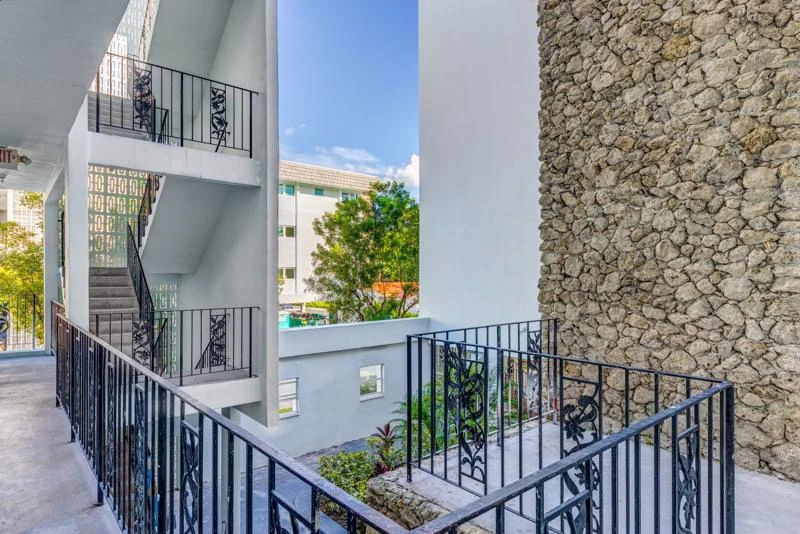
- Are common areas maintained (no peeling paint, clean hallways, well-kept landscaping)?
- How promptly are repairs handled when you see things needing work?
Also ask: how long do people stay in this community? High turnover suggests issues (management, cost, nuisance). Stability—neighbors who stick around—builds memory, identity, familiarity.
Buildings, Scale & Density
One big building with 300 units feels different from four small buildings with 20 units each.
If the density is too high, you can feel anonymous. If it's too sparse, there may be few neighbors or collective life. The sweet spot is medium: enough people for life, few enough to stay human.
Check building scale:
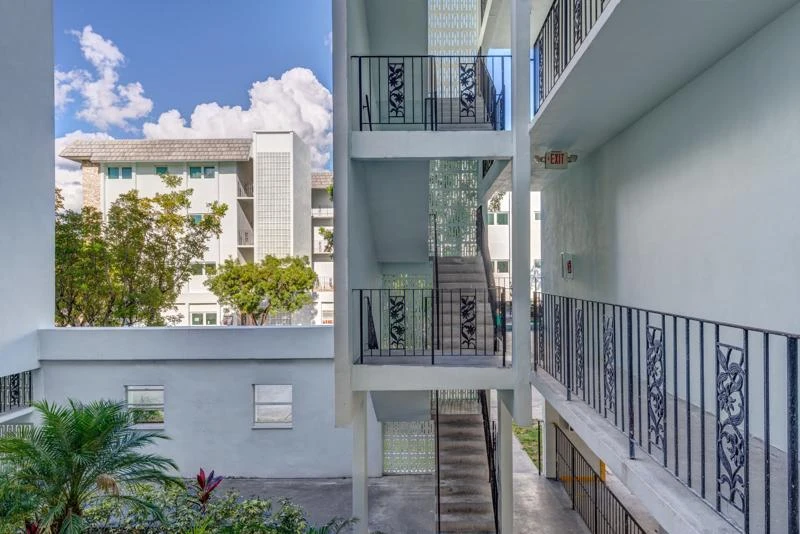
- Hallways: long corridors tend to isolate.
- Access: are units stacked, or do you enter from street / garden?
- Common doors and shared spaces: smaller common areas (lobby, lounge) help people cross paths.
Also consider noise — too many units, shared walls, overlapping HVAC can degrade comfort.
Culture, Diversity & Character
A neighborhood feels more genuine when it’s layered: diverse ages, backgrounds, styles.
Coral Gables isn’t one note. Because of its history, plans, zoning, creative enclaves, and proximity to Miami’s diversity, you’ll find variety.
When a community has families, students, older folks, renters and owners, you get different rhythms: quiet evenings, midday breaks, weekend streets alive.
When touring, note:
- Who lives here? (families, young professionals, retirees)
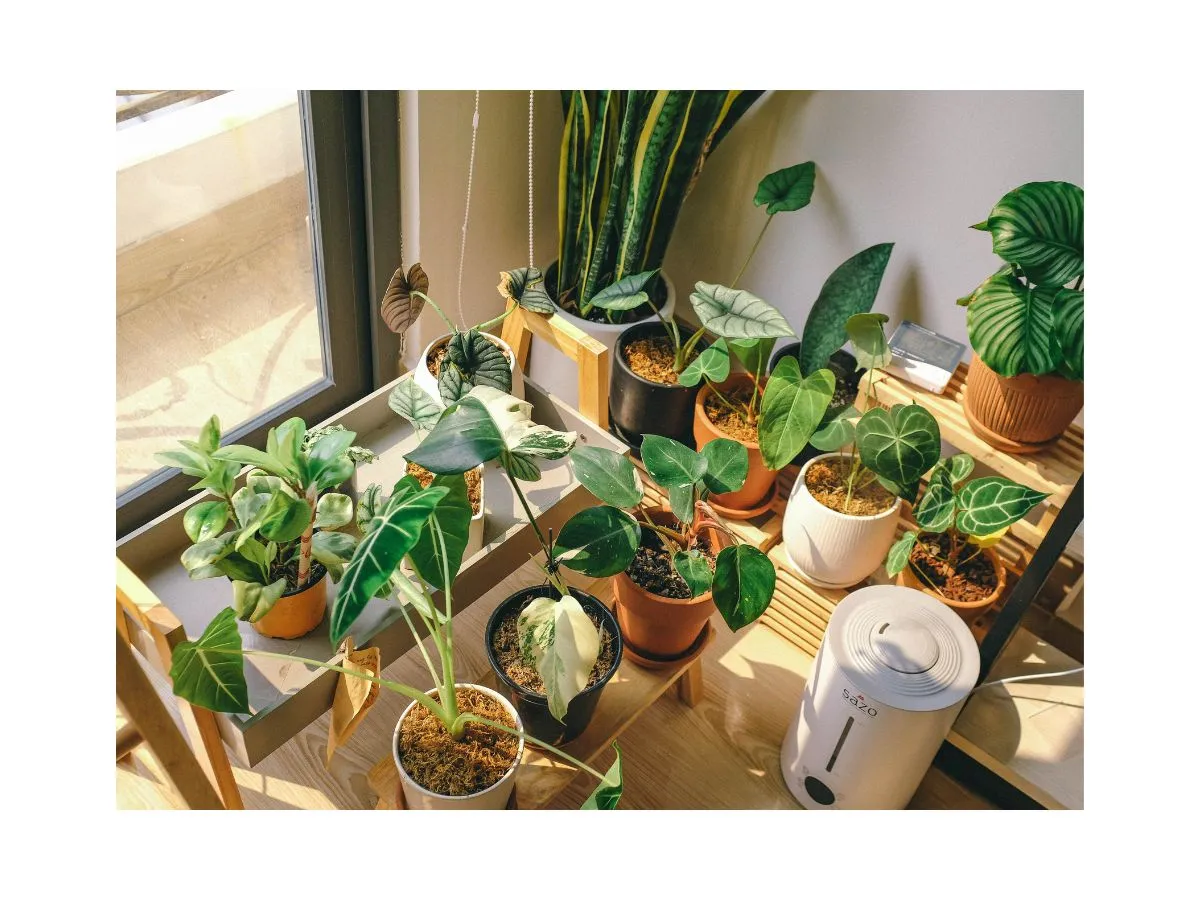
- Are there plants, murals, local art?
- Are small businesses mixed in — cafés, local shops — or is everything bland chain?
That character gives texture and warmth.
What You Should Test When Touring
You can’t just hope for ‘feel.’ Try tests to sense the real mood.
- Visit the complex in early morning, midday, and evening. See changes.
- Walk around nearby streets. Are they clean, quiet, inhabited?
- Talk to existing tenants. Ask how they like it, whether they socialize.
- Check for seating areas, communal gardens, or shady outdoor nooks.
- See whether windows face common areas or green space, rather than blank walls.
Write down feelings: did you want to stay, linger, walk more? That gut sense often signals whether the place will feel like home.
Conclusion & Next Moves
A community feels like home not because of fancy extras. It comes alive through design, neighbors, rituals, safety, character, and small interactions.
When you tour in Coral Gables, bring a list: test paths, talk to people, visit anchor spots, see how the community breathes. Let your instincts guide you beyond features.


























Sign in to leave a comment.