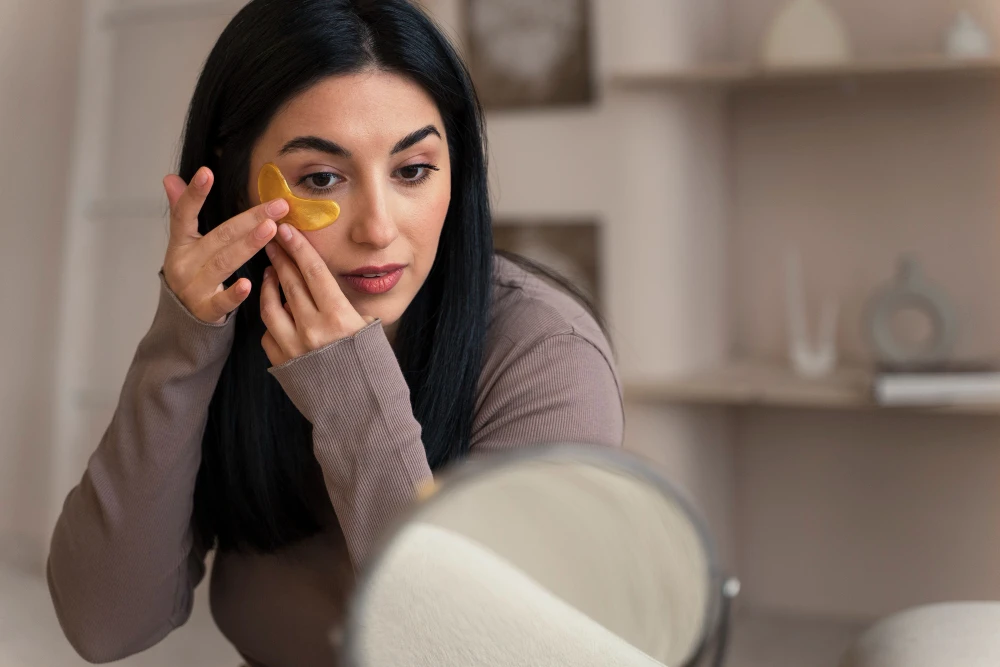

In today’s skincare world, buzzwords like “clinically proven,” “dermatologist-approved,” and “medical-grade” are everywhere. But here’s the truth: not all skincare is backed by real science.
So what actually makes a skincare treatment evidence-based?
Let’s break it down in a clear, trustworthy, and practical way.
What Does “Evidence-Based” Really Mean in Skincare?
Evidence-based skincare comes from the broader concept of evidence-based medicine (EBM)—a method that combines:
- The best available scientific research
- Clinical expertise from dermatologists
- Patient needs and outcomes
In dermatology, it specifically means using high-quality scientific evidence to guide treatment decisions rather than relying on trends or marketing claims.
👉 In simple terms:
If a skincare treatment works, it should be proven through reliable research—not just testimonials.
The Hierarchy of Evidence: Not All Proof Is Equal
One of the most important ideas in evidence-based skincare is the “hierarchy of evidence.”
Here’s how it typically ranks:
1. Systematic Reviews & Meta-Analyses (Highest Quality)
- Combine results from multiple studies
- Offer the most reliable conclusions
2. Randomized Controlled Trials (RCTs)
- Considered the gold standard
- Compare treatments against placebo under controlled conditions
3. Cohort & Observational Studies
- Track outcomes over time
- Less controlled but still useful
4. Expert Opinion & Anecdotes (Lowest Quality)
- Personal experiences
- Often biased or incomplete
👉 If a product is truly evidence-based, it should ideally be supported by RCTs or systematic reviews.
Key Criteria That Define Evidence-Based Skincare
To determine whether a skincare treatment is genuinely evidence-based, look for these core factors:
1. Peer-Reviewed Scientific Research
- Studies published in credible journals
- Reviewed by experts before publication
2. Proven Active Ingredients
- Ingredients tested on humans—not just in labs
- Backed by measurable outcomes (e.g., reduced acne, improved hydration)
For example, dermatologists consistently highlight ingredients like:
- Retinoids
- Sunscreen
- Niacinamide
- Salicylic acid
- Vitamin C
These have strong clinical backing for real skin concerns.
3. Clinical Testing (Not Just Marketing Claims)
Terms like “clinically tested” can be misleading.
👉 Evidence-based treatments include:
- Controlled human trials
- Transparent methodologies
- Measurable results (not just “user satisfaction”)
4. Correct Ingredient Concentration & Formulation
Even proven ingredients won’t work if:
- The concentration is too low
- The formulation is unstable
- The pH is incorrect
Evidence-based skincare evaluates how ingredients are formulated, not just what’s listed on the label.
5. Safety and Risk Assessment
A treatment must be:
- Effective and safe
- Tested for side effects
- Suitable for different skin types
Evidence-based practice always balances benefits vs risks.
What Evidence-Based Skincare Is NOT
To avoid confusion, here’s what doesn’t qualify:
❌ “Medical-grade” (Unregulated term)
This term often sounds scientific—but it’s mostly marketing and not officially standardized.
❌ Influencer Recommendations Alone
Even popular advice may lack scientific backing.
❌ Before-and-After Photos
These can be misleading due to lighting, filters, or bias.
❌ “Clean” or “Chemical-Free”
These terms are largely unregulated and don’t indicate effectiveness.
Why Evidence-Based Skincare Matters in 2026
The global skincare industry is massive—and often driven by trends rather than truth.
Evidence-based skincare helps you:
- Avoid wasting money on ineffective products
- Reduce risk of irritation or damage
- Build a routine that actually works
👉 In a market full of hype, science becomes your filter.
How to Identify Evidence-Based Products (Quick Checklist)
Before buying a product, ask:
✔ Are the ingredients backed by clinical studies?
✔ Are results proven in human trials?
✔ Is the brand transparent about data?
✔ Are claims specific and measurable (not vague)?
✔ Do dermatologists support the ingredients—not just the brand?
Final Thoughts
Evidence-based skincare isn’t about expensive products or complicated routines.
It’s about trusting science over trends.
When you choose treatments backed by real research, you’re not just caring for your skin—you’re making informed, confident decisions.
Want Help Choosing Evidence-Based Skincare?
Tell me your skin type or concern (acne, oily skin, pigmentation, etc.), and I’ll suggest science-backed ingredients and routines tailored to you.




























Sign in to leave a comment.