
Bread is usually associated with carbohydrates, but not every loaf has to be built around them. Today, people looking for more protein in their everyday meals can find breads specifically formulated to deliver more protein per serving.
So, what actually makes bread high in protein? The answer comes down to the ingredients, the type of flour or protein source used, and the nutritional profile of the finished loaf. For anyone trying to add more protein while keeping carbohydrates lower, understanding these differences can make choosing bread much easier.
What Is High-Protein Bread?
High protein bread is bread formulated to provide considerably more protein than conventional bread. Instead of relying primarily on traditional wheat flour, protein-focused breads may use ingredients that naturally contain more protein or concentrated protein sources.
According to Low Carb Avenue, protein bread can be made using ingredients such as nuts, seeds, eggs, or protein-dense flours. The company’s own high-protein bread uses vital wheat gluten as a major protein source and is designed to provide a higher-protein, lower-carb alternative to conventional bread.
What Ingredients Make Bread Higher in Protein?
The ingredients used in a loaf have a major effect on its protein content.
Low Carb Avenue explains that different protein breads can use different sources, including almond flour, protein powders, eggs, milk proteins, and vital wheat gluten. Its own formulation gets much of its protein from vital wheat gluten, which the company describes as being 75% pure protein.
Other ingredients, including nuts and seeds, can also contribute protein while adding their own nutritional characteristics.
This is why two slices of bread can look similar but have very different nutrition labels.
How Does High-Protein Bread Compare With Regular Bread?
The biggest difference is the nutritional balance.
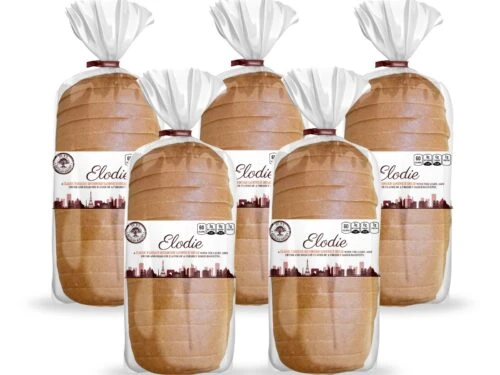
Many conventional breads are primarily carbohydrate-focused, while a protein-focused loaf is formulated to provide more protein per serving. Low Carb Avenue's high-protein bread page lists 7 grams of protein and 1 gram of net carbohydrates per serving, along with 3 grams of fiber and 60 calories.
That makes the bread particularly relevant to people who want to reduce carbohydrates while incorporating more protein into everyday meals.
A protein loaf can also be convenient because it doesn't require changing an entire meal. Instead of adding another separate protein source, you can use protein-focused bread as the foundation for sandwiches, toast, or other bread-based meals.
Why Protein Content Matters
Protein is one of the body's essential macronutrients and plays an important role in everyday nutrition. Low Carb Avenue notes that protein is involved in muscle repair, muscle growth, and normal body function.
For people with active lifestyles, finding convenient ways to include protein throughout the day can be useful. A protein-rich slice of bread can become part of breakfast, lunch, a snack, or a post-workout meal.
For example, a sandwich made with high-protein bread can combine the convenience of a familiar meal with additional protein from the bread itself.
What About Low-Protein Breads?
Not every bread is designed to deliver a significant amount of protein.
Low protein breads may still work perfectly well for someone who isn't specifically looking to increase protein intake. However, if protein is one of your dietary priorities, checking the nutrition label is important.
Rather than judging bread by its appearance or texture, compare the grams of protein per serving. Also look at carbohydrates, fiber, calories, sugar, and serving size.
This simple comparison can help you distinguish ordinary bread from a genuinely protein-focused option.
How to Choose the Best Protein Bread
Finding the best protein bread isn't simply about choosing the loaf with the largest protein number. Consider the complete nutritional profile and whether the bread suits your dietary preferences.
Here are a few things worth checking:
- Protein: How many grams are provided per serving?
- Net carbs: Is the bread also suitable for your low-carb goals?
- Fiber: Does it provide meaningful fiber?
- Sugar: Check whether sugar has been added.
- Calories: Compare calories alongside protein rather than looking at protein alone.
- Ingredients: Understand which ingredients provide the protein.
- Dietary preferences: Consider whether the bread fits your lifestyle, such as vegan or other dietary requirements.
Low Carb Avenue describes its high-protein bread as low-carb, keto-friendly, low-calorie, low-fat, and vegan, giving shoppers several factors to consider beyond protein alone.
Ways to Enjoy Bread With More Protein
One of the advantages of bread with high protein is its versatility.
Use it for a classic sandwich, toast it for breakfast, or turn it into French toast. Low Carb Avenue specifically highlights sandwiches, toast, and French toast as ways to incorporate its bread into meals.
You can also build a more substantial meal by pairing the bread with other nutritious protein sources, vegetables, or your preferred low-carb toppings.
Want to Learn More About High-Protein Bread?
If you're interested in understanding the ingredients, benefits, and practical uses of protein-focused bread in greater detail, explore The Ultimate Guide to High-Protein Bread from Low Carb Avenue.
Why Low Carb Avenue's Approach Stands Out
Low Carb Avenue focuses on creating bread that combines nutrition with the taste and versatility people expect from everyday bread. Its high-protein loaves provide 7 grams of protein per slice, while the company's product information also highlights a low-carb profile.
The brand also emphasizes clean-label and non-GMO ingredients across its bread range. Its products are designed to provide options for people following different dietary lifestyles without giving up the enjoyment of bread.
Final Thoughts
Understanding what makes bread high in protein starts with looking beyond the label on the front of the package. The protein sources, flour choices, fiber, carbohydrates, calories, and serving size all contribute to the nutritional profile.
For anyone looking for high protein bread, a protein-focused loaf can be a convenient way to add more protein to familiar meals while keeping an eye on carbohydrate intake. Low Carb Avenue offers high-protein bread designed around this combination, with its bread providing 7 grams of protein per slice alongside a low-net-carb profile.
The key is to compare the complete nutrition label and choose a bread that fits your own dietary needs and preferences.
Frequently Asked Questions
What makes bread high in protein?
Bread becomes high in protein when its formulation uses protein-rich ingredients or concentrated protein sources. Low Carb Avenue uses vital wheat gluten as a major protein source in its high-protein bread.
How much protein does Low Carb Avenue bread contain?
Low Carb Avenue lists 7 grams of protein per slice for its high-protein bread.
Is high-protein bread also low in carbohydrates?
Some high-protein breads are formulated to be low in carbohydrates. Low Carb Avenue's high-protein bread is listed at 1 gram of net carbs per serving.
How can I use high-protein bread?
It can be used for sandwiches, toast, French toast, and other everyday bread-based meals.
Is high-protein bread suitable for vegans?
Low Carb Avenue describes its high-protein bread as vegan and notes that its protein comes from plant-compatible ingredients rather than animal-derived sources.





























Sign in to leave a comment.