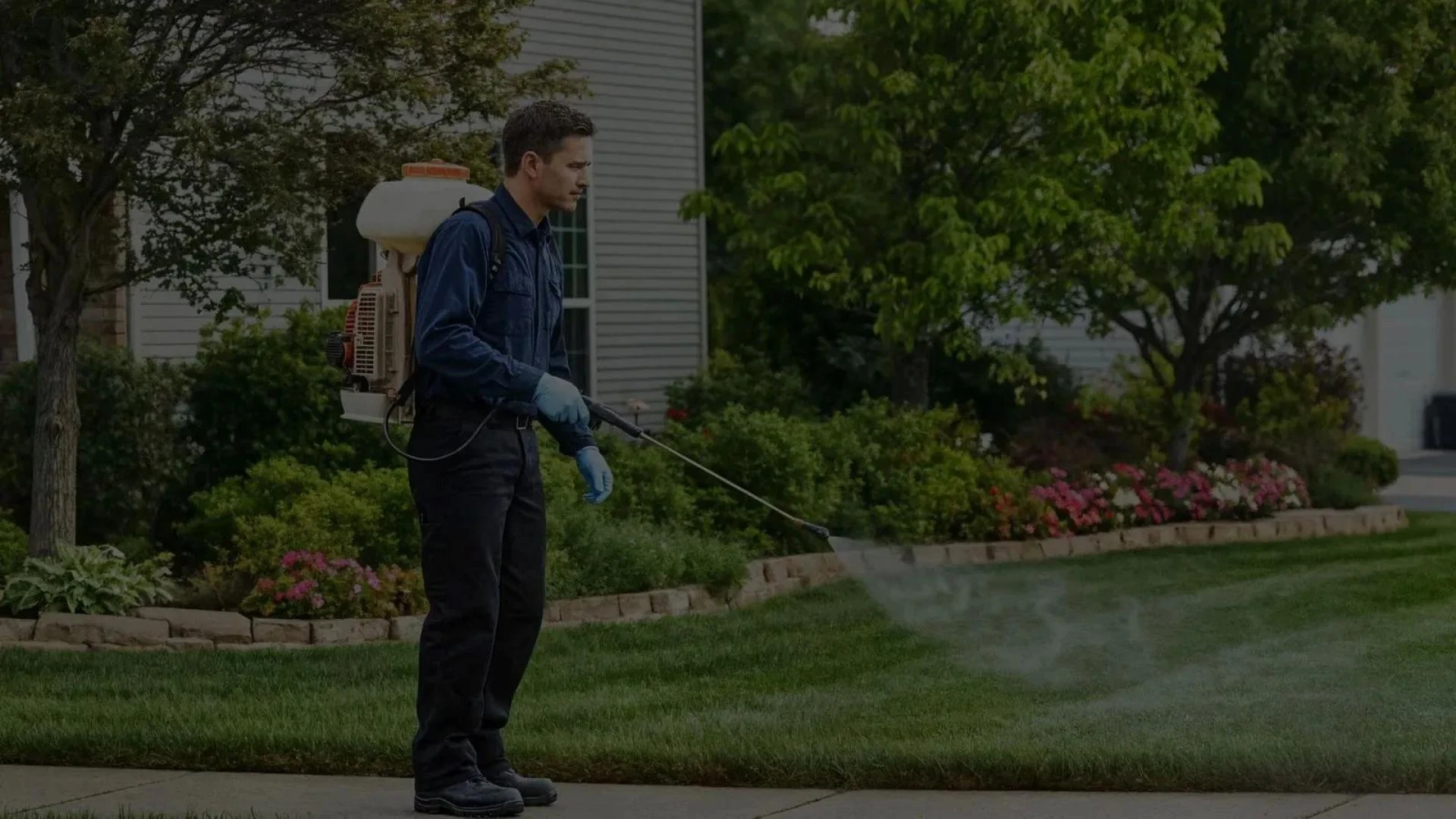

Businesses face very different pest management challenges compared to individual homeowners. A minor pest issue in a home may be frustrating, but in a commercial environment, the same problem can trigger health violations, shutdowns, operational delays, and major reputational damage. That distinction is exactly why commercial pest control is treated as a specialized service — one that requires far more than general knowledge of insects and rodents.
Understanding these differences can help business owners make more informed decisions and choose a provider capable of protecting their operations year-round.
Commercial Environments Are More Complex
A commercial building often has multiple access points, loading docks, storage rooms, large food-handling areas, and irregular traffic patterns. These conditions create many opportunities for pests to enter or spread.
Unlike residential spaces, where treatment focuses on small, contained areas, commercial services must be designed for scale. Technicians must understand how pests behave in warehouses, restaurants, office towers, and other high-traffic environments.
Without that expertise, treatments may be incomplete — and infestations may return quickly.
Compliance and Industry Regulations Require Specialized Knowledge
Commercial facilities operate under strict regulations:
- Health department requirements
- Food safety protocols (HACCP)
- Industry-specific sanitation standards
- Employee safety rules
- Inspection-ready documentation
Regular pest control does not typically involve meeting these standards.
Commercial providers must not only remove pests but also ensure the facility remains compliant and audit-ready. This requires detailed reporting, consistent inspection cycles, and safe treatments aligned with provincial and municipal guidelines.
Businesses Need Preventive Management, Not Just Reactionary Treatments
Homeowners often call pest control when they see a problem.
Businesses, however, must prevent issues before they begin.
A quality commercial program includes:
- Ongoing inspections
- Monitoring devices
- Early detection systems
- Scheduled treatments
- Structural and sanitation recommendations
These measures protect business continuity. A single incident in a restaurant, daycare, or warehouse can cause significant disruption — so prevention is far more valuable than reactive treatment.
Commercial Providers Use Different Equipment and Techniques
Because commercial environments are larger and more demanding, technicians rely on advanced tools such as:
- Industrial-grade monitoring traps
- Digital reporting systems
- Commercial-grade exclusion materials
- Targeted low-toxicity treatments
- High-volume application equipment
These tools ensure precision, coverage, and safety — outcomes that general pest services cannot always guarantee.
How to Choose the Right Commercial Pest Control Provider
Selecting the right partner is one of the most important decisions a business can make. Here’s what to look for:
1. Experience With Your Industry
A provider should understand your industry’s regulations and common pest risks. For example, restaurants, food processors, and warehouses all require specialized treatment plans.
2. Transparent Reporting and Documentation
You should expect:
- Service logs
- Treatment documentation
- Monitoring data
- Compliance reports
If a provider cannot supply these, they are not fully commercial-grade.
3. Tailored Service Plans
Avoid one-size-fits-all solutions.
A reputable provider will conduct a site assessment and build a custom plan based on your risks, building layout, and operational needs.
4. Preventive Approach
True commercial providers emphasize long-term prevention, not just one-time fixes. Ongoing maintenance and routine monitoring should be part of the package.
5. Safety-First Methods
The provider should use approved, safe, and industry-compliant products — especially in food-handling and customer-facing environments.
6. Strong Reputation and Client Feedback
Look for companies with proven performance and consistent reviews, especially from businesses similar to yours.
Final Thoughts
The requirements, risks, and responsibilities of commercial pest management are far greater than those of residential pest treatment. A business cannot afford downtime, safety violations, or customer mistrust — all of which can stem from even a small pest problem.
Choosing a partner experienced in commercial pest control ensures your business remains protected, compliant, and prepared for long-term success.












Sign in to leave a comment.