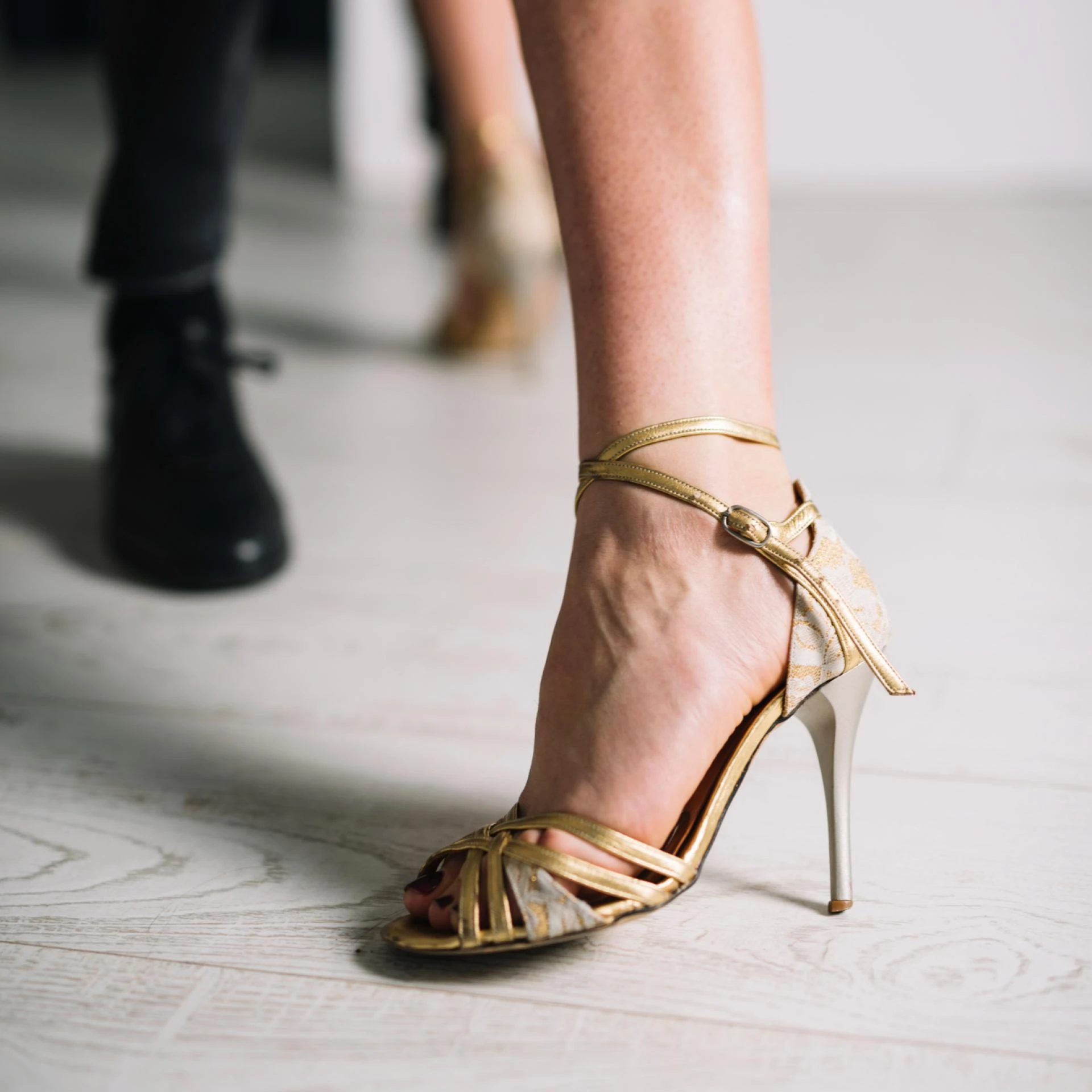

At first glance, dance shoes may look similar to dress shoes or heels, but the differences go far beyond appearance. Professional dance shoes are purpose-built to support movement, balance, and performance in ways that everyday footwear simply cannot. For dancers of all levels, wearing the right shoes can dramatically improve comfort, technique, and confidence on the dance floor. This article explains what truly sets professional dance shoes apart from regular footwear and why investing in them matters.
Designed for Movement, Not Walking
Regular footwear is designed for walking, standing, and general daily activities. Dance shoes, on the other hand, are engineered specifically for controlled movement, turns, spins, and foot articulation. Every design detail—from the sole to the heel placement—is created to support dance technique.
Professional dance shoes allow dancers to glide smoothly across the floor, pivot with control, and transfer weight efficiently. This is especially important in styles like ballroom and Latin, where precision and balance are essential.
Specialized Soles for Controlled Glide
One of the most important differences is the sole material. Most professional dance shoes feature suede soles that provide the ideal balance between grip and slip. This allows dancers to turn smoothly without sticking to the floor or losing control.
Regular shoes often have rubber or hard leather soles that either grip too much or slide unpredictably. These materials can strain the knees and ankles during turns. For ballroom women’s dance shoes and dancing Latin shoes, suede soles are a key feature that supports safe and fluid movement.
Optimized Fit and Structure
Professional dance shoes are designed to fit more snugly than everyday shoes. This close fit ensures that the shoe moves with the foot, enhancing responsiveness and control. Dance shoes are also constructed to support proper alignment, helping dancers maintain posture and balance.
In contrast, regular footwear prioritizes comfort for prolonged standing or walking and often includes cushioning that can reduce stability on the dance floor. Dance shoes minimize excess padding to improve connection with the floor and allow for precise foot placement.
High-quality options from AIDA Dance USA focus on achieving this balance, offering shoes that feel secure without being restrictive.
Heel Placement and Balance Support
Heel design is another major difference. In professional dance shoes, heels are carefully placed to align with the dancer’s center of gravity. This improves balance and reduces strain during movement.
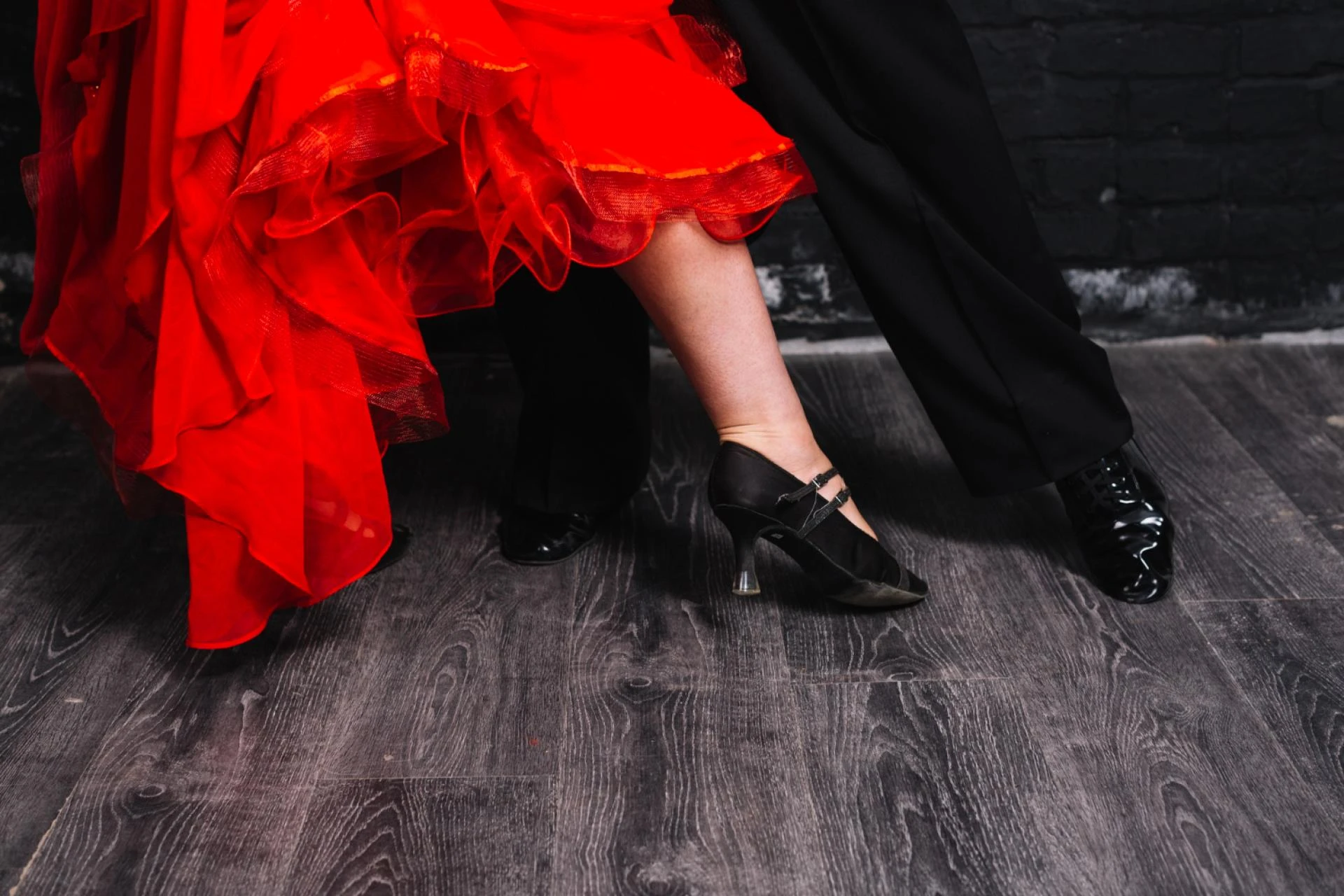
Ballroom shoes typically feature lower, wider heels for stability, while Latin shoes have higher, slimmer heels to enhance leg lines and forward movement. Regular footwear heels are designed primarily for aesthetics, not balance or performance, which can lead to discomfort and instability during dancing.
This thoughtful heel construction is especially important for ballroom women’s dance shoes, where stability and elegance must work together.
Flexibility Where It Matters
Dance shoes are engineered to flex in specific areas of the foot, particularly at the ball of the foot. This flexibility allows dancers to point, roll through steps, and articulate movements naturally.
Regular shoes are often stiff or flexible in the wrong places, limiting range of motion or causing uneven pressure. Dancing Latin shoes require even greater flexibility to support sharp footwork and expressive movement.
By allowing natural foot motion, professional dance shoes reduce fatigue and help dancers move more efficiently.
Lightweight Construction for Endurance
Professional dance shoes are noticeably lighter than regular footwear. This reduces fatigue during long practice sessions or performances and allows for faster, more precise movement.
Heavy shoes can make dancers feel sluggish and interfere with timing and control. Lightweight materials used in professional shoes support endurance without sacrificing durability.
Enhanced Breathability and Comfort
Dance shoes are often designed with breathability in mind, using materials that allow airflow and reduce moisture buildup. This helps keep feet comfortable during extended use and reduces the risk of odor or irritation.
Regular footwear may trap heat and moisture, leading to discomfort during dance sessions. Breathable construction is particularly beneficial for dancing Latin shoes, where high-energy routines can quickly generate heat.
Built for Technique and Injury Prevention
Perhaps the most important difference is how professional dance shoes support technique and help prevent injuries. Proper alignment, controlled traction, and secure fit all contribute to safer movement.
Regular shoes can increase the risk of slipping, joint strain, and poor posture when used for dancing. Professional dance shoes are designed to protect the dancer’s body by supporting correct mechanics.
Style That Supports Performance
While performance comes first, professional dance shoes also offer styles that enhance presentation. Elegant designs, flattering cuts, and purposeful aesthetics help dancers feel confident without compromising function.
Final Thoughts
Professional dance shoes are fundamentally different from regular footwear because they are built for movement, balance, and performance. From specialized soles and precise fit to optimized heel placement and flexibility, every element is designed with the dancer in mind.
Whether you are choosing ballroom women’s dance shoes or exploring dancing Latin shoes, investing in professional footwear can elevate your dancing experience. With thoughtfully designed options from AIDA Dance USA, dancers can enjoy comfort, control, and confidence—step after step on the dance floor.
Sign in to leave a comment.