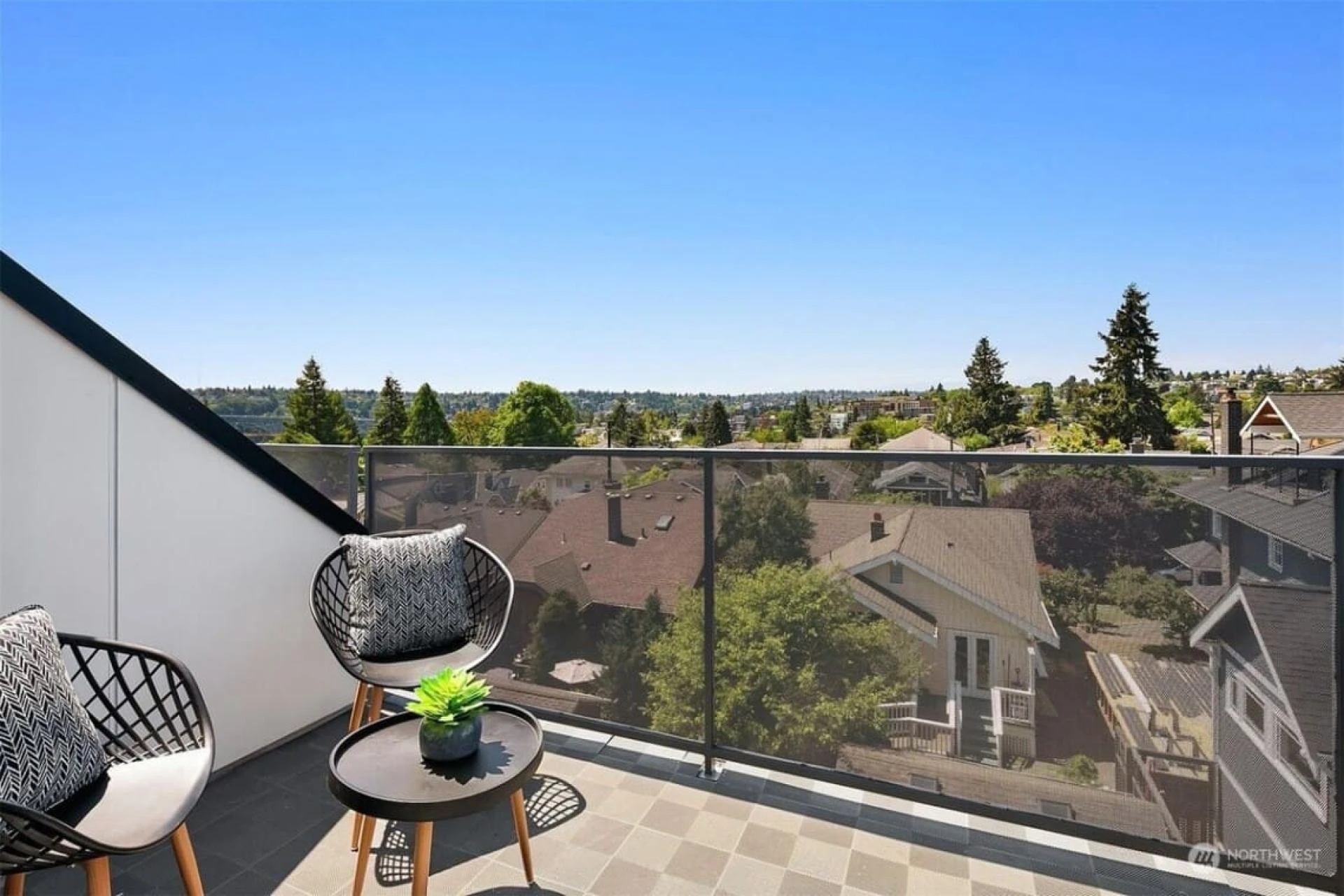

Seattle does not function as a pure tourist city. It operates as an economic engine with layered travel demand. That distinction explains performance.
Market data shows occupancy rates often landing between 65% and 75% in strong cycles, while Average Daily Rates frequently range from $170 to over $200, depending on property type and location. Summer elevates pricing power, yet extended stays and corporate bookings maintain baseline occupancy during slower months. As this ecosystem matures, many owners begin evaluating short-term rental management in Seattle once operational demands start affecting revenue consistency.
Seattle performs because multiple forces support it at the same time.
Demand Does Not Depend on One Traveler Type
Markets built on tourism alone experience sharp seasonal swings. Seattle avoids that volatility because demand comes from several segments.
Corporate and Relocation Travel
Major employers such as Amazon, Microsoft, and a dense biotech sector attract contractors, consultants, and relocating professionals. Many of these guests book mid-term stays rather than short weekend trips. Extended stay demand smooths occupancy curves during off-peak months.
Tourism, Cruises, and Events
Summer strengthens pricing. Cruise departures, waterfront attractions, sports seasons, and conferences increase booking velocity. Seasonal demand drives ADR upward, while business travel supports continuity throughout the year.
Balanced traveler profiles protect annual revenue stability. That balance forms a structural advantage.
Neighborhood Strategy Shapes Margin
Seattle does not function as a single pricing zone. Micro-location determines performance.
High-demand areas often include:
- Capitol Hill
- Ballard
- Downtown
- Central District
Walkability, transit access, and proximity to employment centers influence booking patterns. Revenue per available rental (RevPAR) differs meaningfully between neighborhoods, even when property size remains similar.
Location strategy affects yield more than design upgrades. Owners who analyze district-level performance treat short-term rentals as a disciplined asset rather than casual income.
Regulation Maintains Market Integrity
Seattle requires both a city business license and a short-term rental license. Operators face limits on the number of units they manage. Compliance standards raise the barrier to entry.
Controlled supply reduces oversaturation. Cities without structure often experience rapid listing growth followed by rate compression. Seattle’s licensing framework discourages speculative inventory and supports pricing stability.
Regulated markets reward preparation. That structure strengthens long-term operators.
Revenue Mechanics: Dynamic vs Fixed Income
Performance conversations often center on comparison.
Long-term leases offer predictable monthly rent. Short-term rentals adjust rates based on demand cycles. During peak months, ADR frequently surpasses long-term equivalents when measured nightly. During slower periods, occupancy management becomes critical.
Core performance indicators include:
- Average Daily Rate (ADR)
- Occupancy rate
- Revenue per available rental (RevPAR)
- Seasonal pricing adjustments
Execution determines whether projected revenue materializes.
Owners comparing models often research the best short-term rental management in Seattle while reviewing options from a vacation rental management company Seattle investors rely on. These evaluations reflect operational complexity, not market weakness.
Operations Separate Average From High-Performing
Seattle’s fundamentals create opportunity. Operations determine results.
High-performing listings maintain:
- Active pricing adjustments
- Calendar optimization
- Immediate guest response systems
- Reliable cleaning logistics
- Consistent review accumulation
Inefficiencies compound quickly. Static pricing limits revenue capture. Delayed communication reduces booking conversion. Calendar gaps erode annual yield.
Property owners seeking operational leverage frequently explore the Best vacation rental property management in Seattle when time constraints begin reducing performance visibility. Strong markets amplify both strengths and weaknesses.
Final Thought: Why Seattle Continues to Perform
Seattle’s advantage rests on structural alignment.
- Diverse demand protects occupancy.
- Regulation protects pricing stability.
- Strong employment base supports year-round travel.
- Seasonal tourism elevates ADR without dominating revenue.
Few markets combine economic depth with controlled supply in this way. Seattle remains high-performing because demand remains layered and structured. Owners who align location analysis, pricing strategy, and operational discipline with those fundamentals position themselves for consistent returns. Market strength creates opportunity. Execution captures it.



























Sign in to leave a comment.