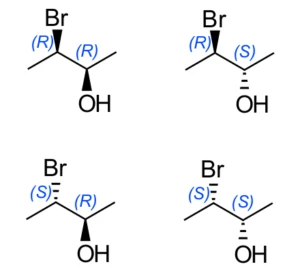

In recent years, education has undergone a remarkable transformation. With the rise of digital platforms and remote learning, subjects once considered difficult to teach outside a physical classroom — like chemistry — are now thriving online. In fact, virtual chemistry lessons have proven to be not only viable but exceptionally effective. Whether it's a high school student mastering stoichiometry or a college freshman tackling organic reactions, the digital landscape has opened new paths for learners across the country. Thanks to innovations in technology, tailored instruction, and interactive learning tools, chemistry is no longer confined to lab coats and chalkboards.
Today, many learners opt for online chemistry tutoring to gain a deeper understanding of complex concepts at their own pace. This shift isn't just about convenience; it's about maximizing learning potential. Let’s explore the key factors that make virtual chemistry lessons so effective in today’s educational environment.
Key Points
- Accessibility to high-quality instruction from anywhere
- Customized and adaptive learning pathways
- Enhanced engagement through multimedia tools
- Real-time feedback and performance tracking
- Integration of virtual labs and simulations for experiential learning
- Supportive learning environments fostered by online communities
The Rise of Virtual Learning in Chemistry
Changing Perceptions of Online Education
Once met with skepticism, online education has now gained widespread credibility, especially after the COVID-19 pandemic forced a global experiment in remote learning. Chemistry, traditionally seen as a hands-on science, has surprisingly adapted well to this model. Instructors now leverage a variety of digital tools to simulate lab experiences and deliver lectures in innovative ways.
Wider Reach and Inclusivity
Virtual chemistry lessons have broken down geographical and socioeconomic barriers. Students in rural areas or underserved communities can now access expert instruction and resources that were previously out of reach. This democratization of education ensures that talent and curiosity aren't limited by location.
Interactive Learning Tools Make a Big Difference
Multimedia Content Enhances Understanding
Complex topics like molecular bonding or equilibrium can be difficult to grasp through textbooks alone. Virtual lessons often incorporate videos, animations, and 3D models that bring these concepts to life. These tools cater to diverse learning styles — visual, auditory, and kinesthetic — making chemistry more understandable and engaging.
Gamification and Quizzes
Interactive quizzes, challenges, and gamified elements not only reinforce learning but also make it fun. Points systems, badges, and real-time feedback keep students motivated and allow them to track progress in an enjoyable way.
Virtual Labs Offer Safe, Hands-On Learning
One of the primary concerns around virtual chemistry education is the lack of physical lab time. However, the advent of virtual lab platforms has addressed this issue head-on. Students can now conduct simulated experiments in a controlled digital environment. These virtual labs mimic real laboratory procedures, from titrations to chromatography, providing experiential learning without the hazards or costs of physical materials.
Benefits of Virtual Labs
- Safety: No risk of chemical spills or accidents
- Cost-Effective: No need for physical lab equipment
- Repeatable: Experiments can be conducted multiple times for mastery
- Accessible: Available any time, supporting flexible study schedules
Personalized Learning and Adaptive Technologies
Meeting Individual Needs
Unlike traditional classrooms, where one pace fits all, virtual chemistry programs often include adaptive learning technologies. These systems analyze a student’s performance and adjust the difficulty or focus of the content accordingly. This ensures that students who struggle get more support, while advanced learners can move ahead without being held back.
Use of Analytics
Modern online platforms use data analytics to measure student progress, identify learning gaps, and provide targeted feedback. This insight enables both students and educators to refine the learning path for better outcomes.
Real-Time Support and Community Engagement
Live Sessions and Chat Support
Many virtual chemistry programs include live sessions, allowing students to interact directly with instructors and ask questions in real-time. Discussion forums and chat features also enable peer-to-peer support, fostering a sense of community and collaboration.
24/7 Access to Resources
Online platforms are often stocked with additional resources such as recorded lectures, practice problems, and downloadable study guides. This means students can revisit material anytime, making learning more flexible and efficient.
Flexibility and Convenience Appeal to Modern Students
One of the biggest advantages of virtual chemistry lessons is the flexibility they offer. Students can learn at their own pace, fit lessons around their schedules, and revisit complex material as needed. This is especially beneficial for students balancing academics with other responsibilities like part-time jobs or extracurricular activities.
Self-Paced Learning
Virtual platforms often allow students to pause, rewind, and rewatch lessons. This can be a game-changer when tackling complex topics like thermodynamics or electrochemistry, where grasping each step is crucial.
Expert Instruction From Top Educators
Another reason virtual chemistry lessons have become so effective is the ability to access top-tier educators regardless of location. Students are no longer limited by the expertise available at their local school. Through online chemistry tutoring services, learners can connect with experienced chemistry tutors who specialize in various branches of the subject. This personalized attention often results in a deeper and more nuanced understanding of the material.
One-on-One Mentorship
With individualized tutoring, students receive tailored guidance based on their unique learning styles and academic goals. This mentorship not only clarifies tough concepts but also builds confidence and academic resilience.
Preparation for Future Careers and Academics
Virtual chemistry lessons often incorporate real-world applications and career-relevant skills. From lab report writing to data interpretation, students are trained in competencies that are valuable in both higher education and STEM careers.
College Readiness
For students planning to major in science fields, having a strong foundation in chemistry is critical. Virtual lessons offer in-depth preparation that aligns with college curricula, helping students transition smoothly to advanced studies.
Professional Skills Development
Skills like critical thinking, problem-solving, and digital literacy are inherently built into the structure of virtual learning. These are essential attributes in today’s job market, making virtual chemistry education not just academically beneficial but professionally valuable as well.
Challenges and How They’re Being Overcome
Technical Barriers
Not every student has access to high-speed internet or up-to-date devices. However, many educational platforms are optimizing their content for low-bandwidth scenarios and offering downloadable materials for offline study.
Engagement and Attention Span
Keeping students engaged in a virtual setting can be difficult. This is being addressed through varied content delivery, interactive sessions, and shorter lesson modules designed to maintain focus and interest.
Assessment Integrity
Ensuring fair and accurate assessments is another concern. Sophisticated proctoring tools and project-based evaluations are now used to maintain academic integrity while still fairly measuring student performance.
Conclusion
Virtual chemistry lessons have evolved far beyond passive video lectures. They now offer dynamic, interactive, and highly personalized educational experiences that often surpass traditional classroom settings. By combining technology with sound pedagogical principles, these lessons make learning more accessible, engaging, and effective than ever before. Whether through virtual labs, adaptive learning software, or online chemistry tutoring with Orango, students today are better equipped to excel in chemistry — and carry that success into their future academic and professional endeavors.
Frequently Asked Questions (FAQ)
1. Can virtual chemistry lessons replace hands-on lab work?
While there's no true substitute for real-life lab experiences, virtual labs provide a safe and effective way to learn experimental procedures. Many students find them helpful for understanding concepts before entering a physical lab environment.
2. Are online chemistry tutors as effective as in-person tutors?
Yes. Many online tutors are experienced professionals who use a range of tools to engage students, identify knowledge gaps, and provide custom learning plans, often making them as effective — if not more — than in-person tutors.
3. How can students stay engaged during virtual chemistry lessons?
Using interactive elements like quizzes, simulations, and live discussions can help maintain engagement. Setting personal learning goals and taking regular breaks also improves focus.
4. Do virtual chemistry lessons meet academic standards?
Most reputable platforms align their curriculum with national and state academic standards. Additionally, many tutors and educators bring years of formal teaching experience to ensure quality instruction.
5. What equipment is needed to participate in virtual chemistry lessons?
At a minimum, students need a computer or tablet with internet access. Headphones and a webcam enhance the experience, especially for live sessions. Some platforms may recommend specific software for simulations.
6. Are virtual chemistry lessons suitable for all grade levels?
Yes. From middle school to college-level courses, virtual chemistry programs cater to a wide range of learners. Content is typically segmented by grade level and complexity to ensure appropriate instruction.
























Sign in to leave a comment.