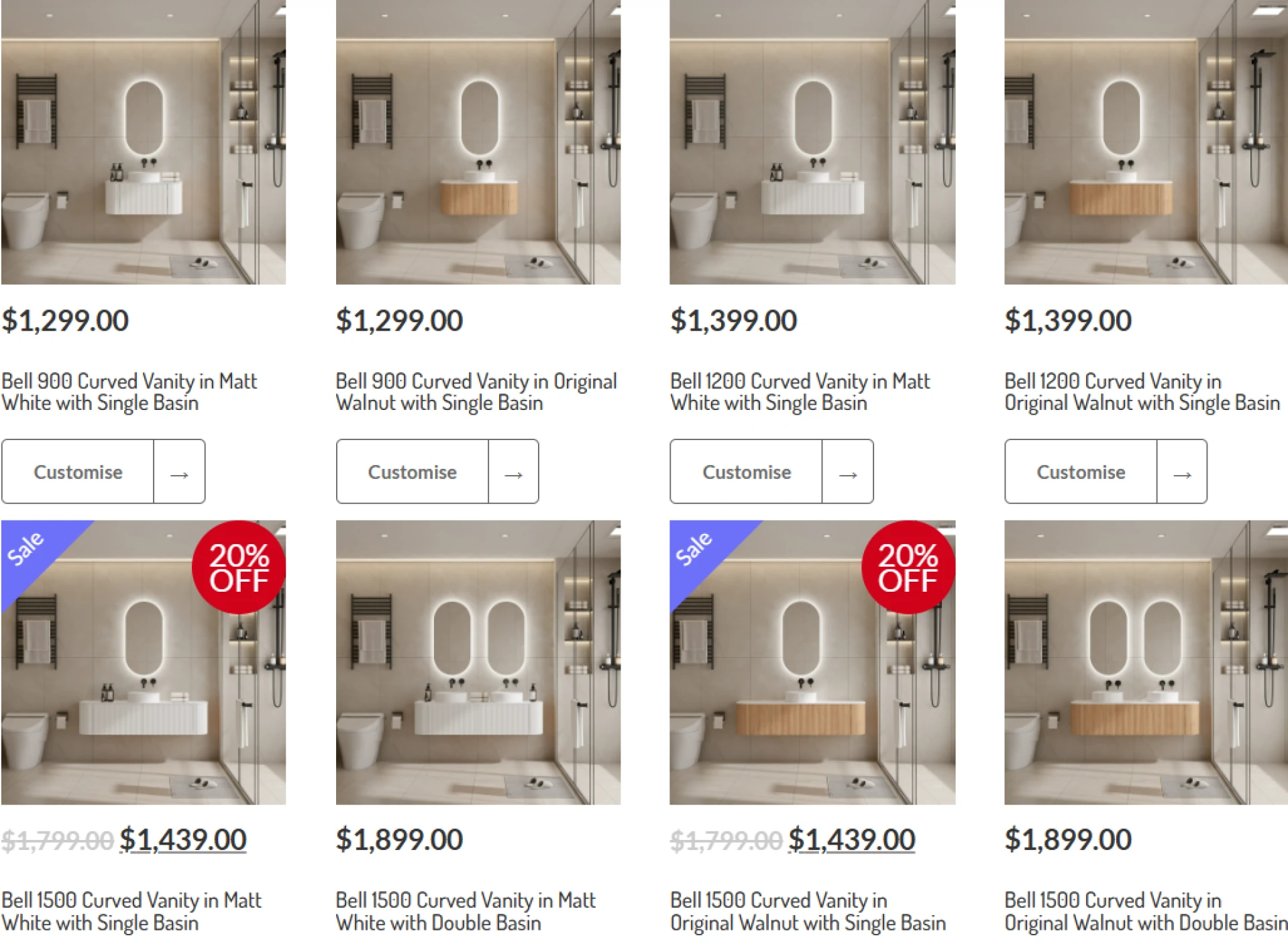
Choosing a bathroom vanity is not just a design decision—it also requires a practical understanding of how different materials perform in specific environmental conditions. For homeowners in Perth, humidity is a significant factor. While the city enjoys a Mediterranean climate, higher moisture levels in bathrooms can lead to long-term issues like swelling, warping, mould, and delamination if unsuitable materials are used.
Selecting the right materials for a bathroom vanity is essential for durability, maintenance, and function. This article outlines the most common vanity materials used in Perth and assesses their suitability for humid environments.
PVC (Polyvinyl Chloride)
Performance in humidity: Excellent
Maintenance: Low
Durability: High
PVC vanities are known for their excellent resistance to moisture, making them a strong choice for bathrooms with poor ventilation or frequent use. The material is non-porous, meaning it does not absorb water, swell, or warp over time. It is also resistant to mould and mildew, both of which can be common in damp environments.
Because of its synthetic nature, PVC is easy to clean and does not require sealing or refinishing. It’s typically available in a range of finishes, including gloss, matte, and wood-look laminates.
Best suited for: High-use bathrooms, rental properties, and households where low maintenance is a priority.
MDF (Medium-Density Fibreboard)
Performance in humidity: Variable (depending on finish)
Maintenance: Moderate
Durability: Moderate to low
MDF is a common material in budget and mid-range vanities due to its affordability and smooth finish. However, standard MDF is highly susceptible to moisture. In humid climates like Perth’s, unsealed or poorly finished MDF can absorb water, leading to swelling and eventual breakdown.
Moisture-resistant MDF (often labelled as MR MDF) is a better alternative, particularly when finished with a high-quality laminate or vinyl wrap. The durability of MDF in a bathroom setting ultimately depends on the protective finish and sealing of all edges, especially around cut-outs for sinks and taps.
Best suited for: Budget-conscious renovations where humidity control (e.g., extraction fans) is already in place.
Solid Timber
Performance in humidity: Fair to good (with proper sealing)
Maintenance: High
Durability: High (if maintained)
Solid timber vanities offer natural warmth and aesthetic appeal, making them popular in both modern and traditional homes across Perth. However, timber is an organic material that responds to moisture and temperature changes. Without proper sealing, it can absorb water, swell, or crack over time.
To perform well in humid conditions, timber must be sealed with high-quality water-resistant varnishes or oils. Even then, regular maintenance is essential to keep the finish intact. Using timber species with natural water resistance, such as teak or oak, can improve longevity.
Best suited for: Homes with a controlled bathroom environment and where visual appeal justifies ongoing maintenance.
Laminate
Performance in humidity: Good (depending on substrate)
Maintenance: Low
Durability: Moderate
Laminate bathroom vanities are made by bonding a decorative layer over a core material, often MDF or particleboard. Their performance in humidity depends largely on the core material and how well the laminate is applied and sealed.
Modern laminates are generally water-resistant, and when edges are properly sealed, they provide a good balance of affordability and performance. However, once water seeps into the core material through an edge or seam, the vanity can degrade quickly.
Best suited for: Standard household use with good ventilation and routine care.
Stone and Engineered Stone Tops (paired with various bases)
While the countertop itself is often made from stone or engineered alternatives like quartz, these are usually paired with cabinetry made of PVC, timber, or MDF. Engineered stone resists water and stains well and requires little maintenance, but the underlying cabinet still needs to be moisture-resistant to ensure full vanity durability.
Best suited for: Homeowners wanting a durable benchtop combined with a practical base material for humid conditions.
Key Considerations for Perth Bathrooms
When selecting a bathroom vanity in Perth, it’s important to factor in more than just aesthetics. The following considerations can help extend the life of your vanity in a humid setting:
- Ventilation: Good airflow reduces the impact of moisture on cabinetry materials.
- Edge Sealing: Particularly on MDF or laminate, edge protection is vital.
- Finish Quality: A high-quality finish or wrap will offer better moisture defence.
- Professional Installation: Proper fitting reduces the chance of water ingress through joins or cut-outs.
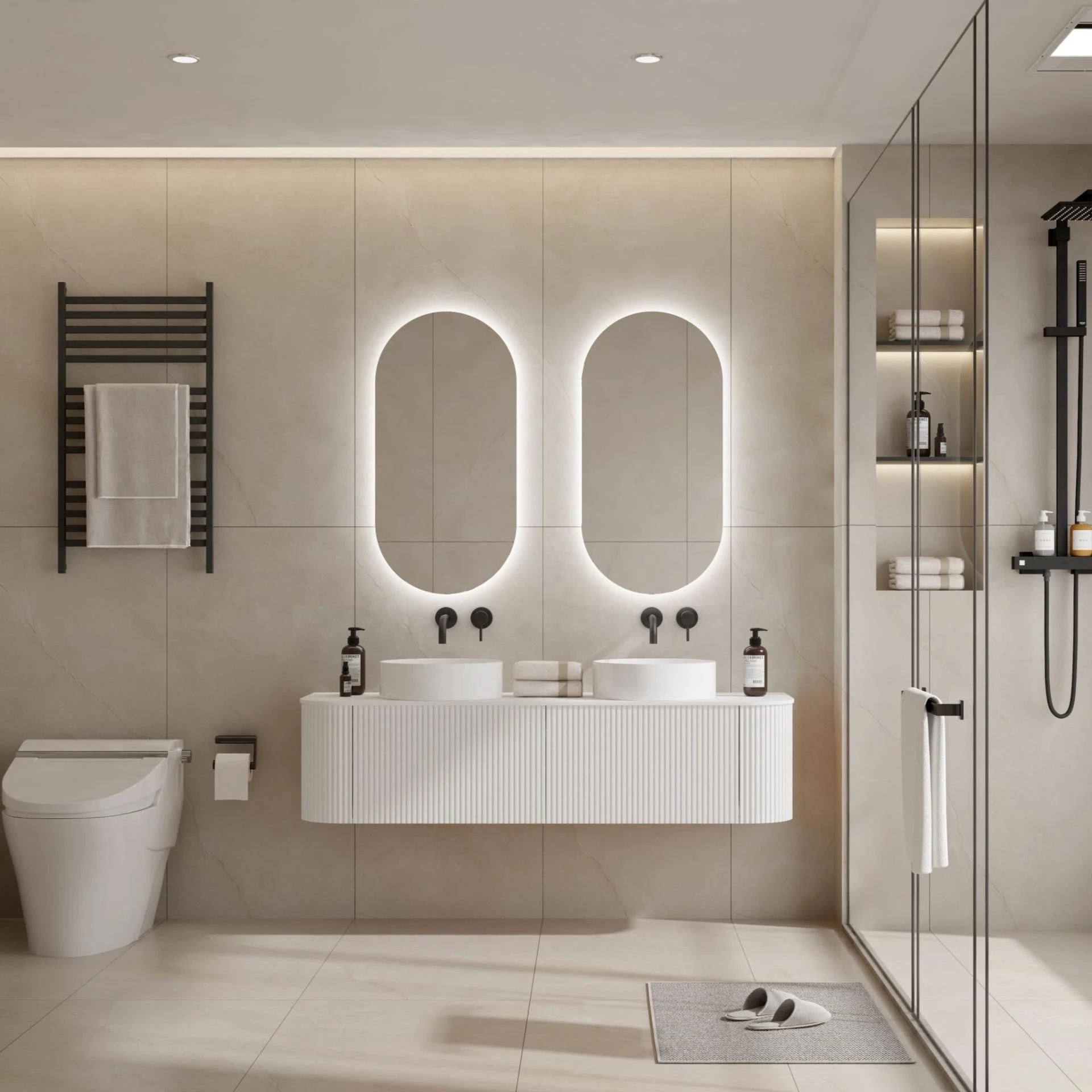
A wide selection of bathroom vanity options, including materials suitable for Perth’s climate, can be reviewed here:
https://vbathroom.com.au/products/bathroom/vanity/
Conclusion
The best bathroom vanity materials for Perth’s humid conditions depend on your priorities—whether you value aesthetics, cost, low maintenance, or longevity. PVC remains the most moisture-resistant choice, while solid timber offers beauty with higher maintenance. MDF and laminate are workable with the right finishes, but require attention to sealing and ventilation. Making an informed decision based on both material properties and your specific bathroom environment can help prevent long-term issues and improve daily usability.



















Sign in to leave a comment.