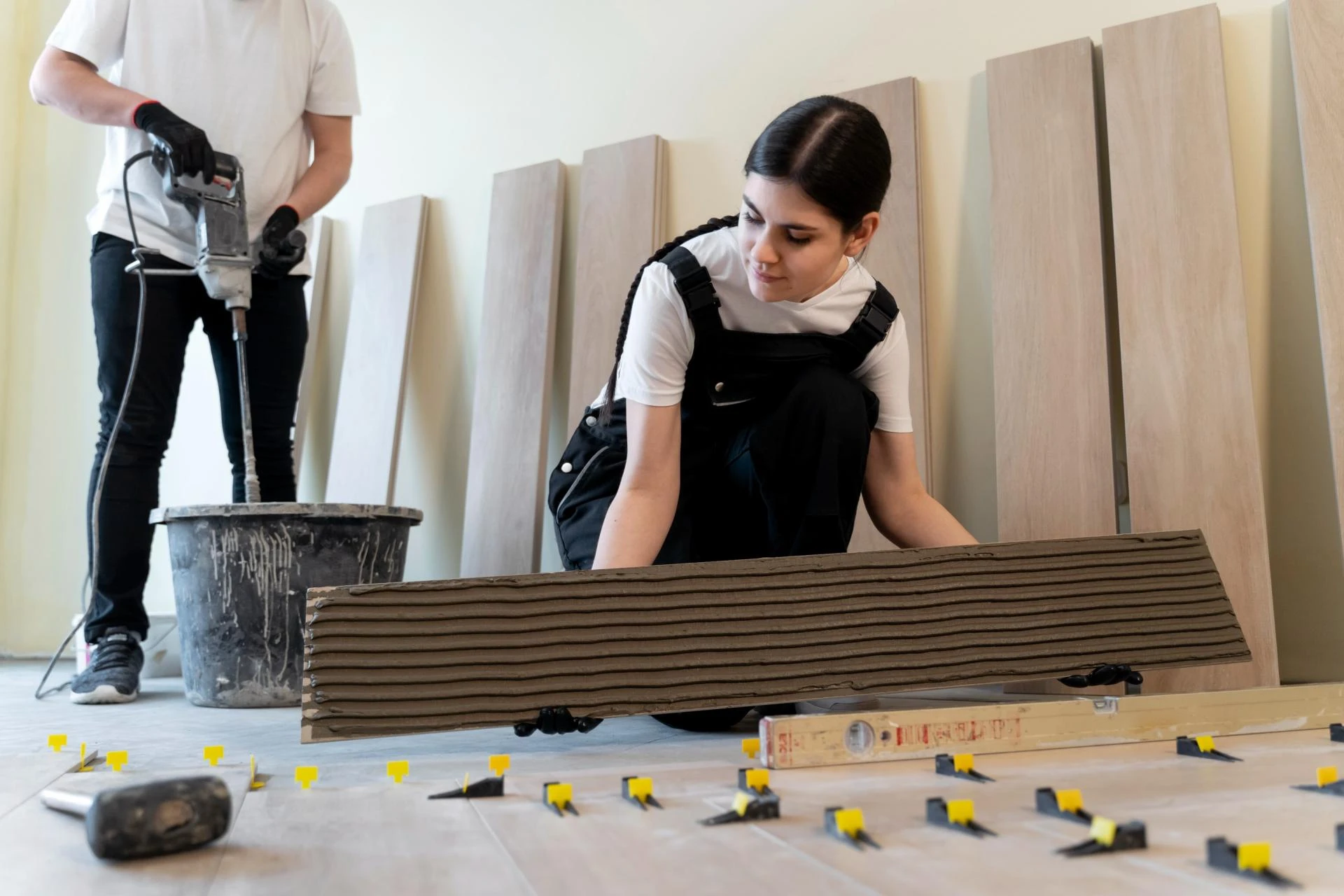
VCT floors are widely used in schools, hospitals, offices, and commercial buildings. They are durable, affordable, and designed to handle daily foot traffic. However, many facilities struggle to keep these floors looking clean and lasting longer. The issue is not the flooring itself—it is how VCT tile stripping is misunderstood and handled.
Most facilities treat VCT tile stripping as a routine cleaning task. In reality, it is a critical maintenance step that directly affects floor performance, safety, and long-term costs.
1: Thinking VCT Tile Stripping Is Regular Cleaning
One of the most common mistakes is believing that VCT tile stripping is just deep cleaning. It is not.
Regular cleaning removes surface dirt.
Stripping removes:
- Old and damaged floor finish
- Built-up wax layers
- Trapped dirt beneath the coating
When facilities confuse these two processes, floors never fully recover and continue to look dull or uneven.
2: Stripping on a Fixed Schedule
Many facilities strip their floors simply because it is “time” to do so. This approach often causes more harm than good.
Stripping too often can:
- Wear down the tile surface
- Shorten floor lifespan
- Increase maintenance costs
The right question is not when was the last strip, but does the floor actually need it?
3: Waiting Until the Floor Looks Bad
Some facilities wait until floors look extremely worn or damaged before stripping. By then, multiple layers of poor finish have built up, making recovery harder.
This often results in:
- Peeling or cracking wax
- Cloudy or yellowed floors
- Unsafe, slippery surfaces
VCT tile stripping works best as a planned step—not an emergency fix.
4: Treating All VCT Floors the Same
Every facility is different. Traffic levels, cleaning routines, and environment all affect VCT floors differently.
Factors that matter include:
- Foot traffic volume
- Type of building
- Existing floor condition
Using the same stripping approach for every floor leads to poor results and wasted effort.
5: Focusing Only on Shine
Many facilities believe shiny floors mean healthy floors. Shine may look good, but it is not the true goal of VCT tile stripping.
The real purpose is:
- Proper bonding of new finish
- Better durability
- Easier daily maintenance
A well-stripped floor performs better over time, not just for appearance.
6: Viewing Stripping as a Cost
Another major mistake is seeing VCT tile stripping as an expense instead of a decision. This mindset leads to rushed jobs or skipped maintenance.
Correct stripping:
- Reduces future repair needs
- Lowers long-term costs
- Extends floor life
When done properly, stripping saves money rather than wasting it.
The Smarter Way to Handle VCT Tile Stripping
VCT tile stripping should be:
- Condition-based, not calendar-based
- Part of a long-term floor care plan
- Focused on performance, not quick results
Facilities that understand this approach experience fewer problems and better floor results year after year.
Why Proper Stripping Makes a Difference
When VCT tile stripping is done correctly:
- Old damage is removed
- New finish applies evenly
- Floors last longer under daily use
This creates stronger floors that require less aggressive maintenance over time.
Final Thoughts
Most facilities get VCT tile stripping wrong because they treat it like routine cleaning. In reality, it is a reset process that determines how well your floors perform in the future.
Making informed decisions about stripping leads to safer floors, lower costs, and longer-lasting results.If you want your VCT floors handled the right way, trust the experience of Rhode Island Commercial Cleaning Services.
Contact us today to schedule a professional VCT tile evaluation and keep your floors performing at their best.

Sign in to leave a comment.