

Oklahoma is one of those states where the weather just does not let up. You get blazing hot summers, ice storms in the winter, and hail that can shred a roof in minutes. If you own a home here, your roof takes a beating year after year. And most people don’t think about their roof until something goes wrong, like a leak in the ceiling at 2 AM during a thunderstorm.
Let’s talk about what Oklahoma weather actually does to roofs, how to spot damage before it gets worse, and how to pick the right person to fix it.
Oklahoma Gets Some of the Worst Storms in the Country
This is not an exaggeration. Oklahoma sits right in the middle of Tornado Alley. Between March and June, severe thunderstorms roll through on a regular basis. These storms bring high winds, heavy rain, and hail that ranges from pea-sized to softball-sized.
Hail is the big one when it comes to roof damage. Even small hail can crack shingles and loosen granules over time. Bigger hail can punch right through roofing materials. After a major hailstorm, it’s common to see entire neighborhoods getting their roofs replaced.
Wind damage is another big issue. Straight-line winds during a thunderstorm can hit 70 or 80 miles per hour. That is enough to peel shingles off, rip up flashing around vents and chimneys, and send debris flying into your roof. A lot of people assume wind damage is obvious, but sometimes a few shingles get lifted and you won’t see it from the ground.
Then there are the ice storms. Oklahoma gets hit with ice storms every few years, and they are brutal. Ice builds up on the roof, gets into small cracks, and then expands as it freezes. This freeze-thaw process can work its way under shingles and cause leaks that you might not notice for weeks or months.
Signs Your Roof Took a Hit
After any major storm, it’s a good idea to do a quick check. You don’t need to climb up on the roof yourself. In fact, that’s not a great idea if you don’t have the right equipment. But there are things you can look for from the ground.
Missing shingles are the most obvious sign. If you see bare patches on the roof or shingles in the yard, that’s a clear problem. But damage is not always that visible. Look at your gutters. If they are full of granules (those little sandy-looking bits that coat the shingles), that means the shingles are breaking down.
Check inside your attic too. Water stains on the wood, damp insulation, or any sign of dampness means water is getting in somewhere. The tricky thing about roof leaks is that water can travel a long way from where it enters the roof to where it shows up inside your house. A stain on your bedroom ceiling might mean the actual leak is ten feet away on the roof.
Dented or cracked flashing around chimneys, vents, and skylights is another red flag. Flashing is the metal that seals the gaps where things poke through the roof. When it gets damaged, water has a straight path inside.
Why You Should Not Wait to Get Repairs Done
A small roof problem turns into a big one fast. A few missing shingles might not seem like a big deal, but once water gets under the roofing material, it starts rotting the wood underneath. That plywood decking under your shingles is what gives the roof its structure. Once it starts to rot, you’re looking at a much bigger and more expensive repair.
Mold is another concern. Once water gets into the attic space, mold can start growing within 24 to 48 hours in the right conditions. And Oklahoma’s humidity during the warmer months creates exactly those conditions. Mold in your attic can spread to the rest of the house and become a health issue.
Insurance is another factor. Most homeowner’s insurance policies have time limits on when you can file a claim for storm damage. If you wait six months to report hail damage, your claim might get denied. Getting an inspection done soon after a storm gives you documentation to support a claim.
Picking the Right Roofer in Oklahoma
This is where a lot of homeowners run into trouble. After a big storm, you’ll see trucks from out-of-state companies all over the place. They go door to door, offer a no-cost inspection, and try to get you to sign a contract on the spot. Some of these companies do good work. A lot of them don’t.
The problem with storm chasers (that’s what people in the industry call them) is that they do the work and then leave town. If something goes wrong six months later, good luck getting them to come back and fix it. Their phone number might not even work anymore.
That’s why working with roofers Oklahoma who are actually based in the state makes a huge difference. A company that has been in the area for years has a reputation to protect. They are going to do the job right the first time, and they will be around if anything comes up later.
When you’re looking at roofers Oklahoma city has plenty of options, but you want to do a little homework first. Ask how long they have been in business. Check if they have a physical office. Look at reviews, but be careful with those too. A company with nothing but five-star reviews and no details in them might have paid for those reviews.
Ask about licensing and insurance. Any legitimate roofing contractor will carry general liability insurance and workers’ compensation. If someone gets hurt on your property during the job and the company doesn’t have workers’ comp, you could be on the hook for that.
What to Expect During a Roof Replacement
If the damage is bad enough that you need a full replacement, here’s what the process usually looks like.
First, someone comes out to inspect the roof. They’ll go up there, take photos, and give you an estimate. If you’re filing an insurance claim, the roofing company Oklahoma city homeowners work with should be willing to meet with the insurance adjuster to go over the damage together. That makes the process smoother for everyone.
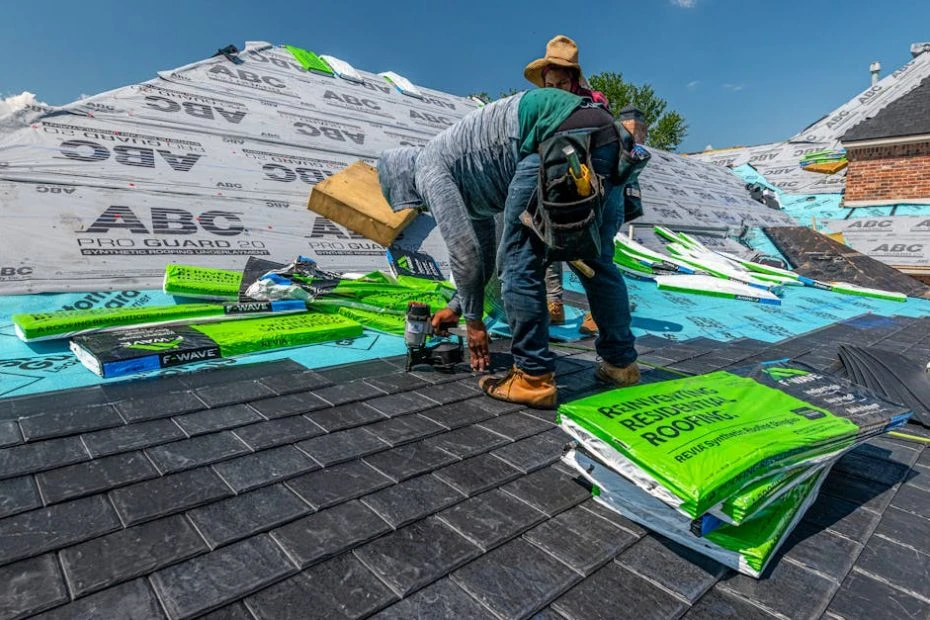
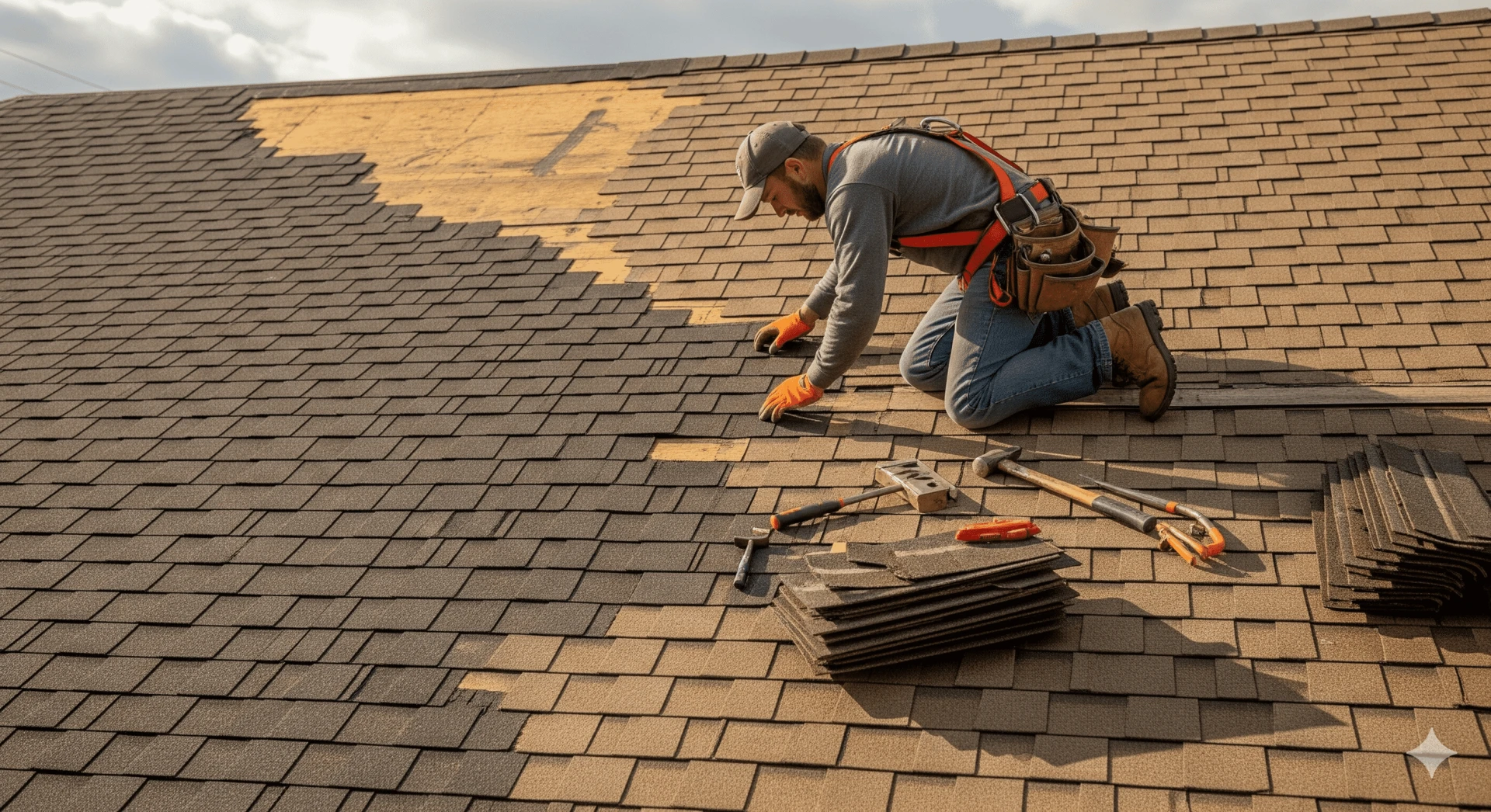
Once the paperwork is sorted out, the crew shows up and strips off the old shingles. They’ll check the decking underneath for rot and replace any bad sections. Then they put down underlayment (that’s a waterproof barrier), install new shingles, replace flashing, and clean everything up.
A typical residential roof replacement in Oklahoma City takes one to three days depending on the size of the house and weather conditions. Yes, the weather can delay things. Roofers can’t work when it’s raining or when there is lightning in the area.
Choosing the Right Materials for Oklahoma Weather
Not all roofing materials hold up the same way in Oklahoma conditions. The most common choice is asphalt shingles, and for good reason. They are affordable, they come in a lot of colors, and they work well for the weather here.
But within asphalt shingles, there are different grades. Three-tab shingles are the most basic and least expensive. They do the job, but they don’t hold up as well to high winds and hail. Dimensional shingles (sometimes called laminated shingles) are thicker, last longer, and handle storms better. The price difference is not that much when you consider that you might get an extra ten years out of them.
If you want even more protection, impact-resistant shingles are rated to handle hail up to two inches in diameter. Some insurance companies in Oklahoma give you a discount on your premium if you install impact-resistant shingles. That discount can add up over the years.
Metal roofing is gaining popularity in Oklahoma too. It handles hail well, lasts 40 to 60 years, and holds up to high winds. The upfront cost is higher than shingles, but the long lifespan can make it worth the investment.
Working With Local Pros Makes a Difference
There is something to be said for working with local roofing companies that know the area. They understand the specific weather patterns, they know the local building codes, and they have relationships with material suppliers in the region.
A local company has likely worked on roofs in your neighborhood before. They know what types of roofs are common in your area, what problems tend to come up, and what solutions work best. That kind of hands-on experience with the local conditions is hard to replace.
They are much easier to reach if something goes wrong after the job is done. If a leak shows up six months from now, you can drive to their office. You can call them and actually get someone on the line. That peace of mind is worth a lot.
Getting Ahead of the Next Storm
Oklahoma’s storm season comes around every year. You can’t stop the weather, but you can be ready for it. Get your roof inspected at least once a year, ideally before storm season starts in the spring. A professional can catch small problems before they turn into expensive ones.
Keep your gutters clean so water drains properly. Trim back any tree branches that hang over the roof, since those can cause damage during high winds. And take a few minutes after every major storm to do a visual check from the ground.
Your roof is the one thing standing between your family and whatever Oklahoma’s sky decides to throw at you. Taking care of it is not glamorous work, but it saves a lot of money and stress down the road. And when you do need work done, go with someone who knows Oklahoma, knows the weather, and is going to be around long after the job is finished.








Sign in to leave a comment.