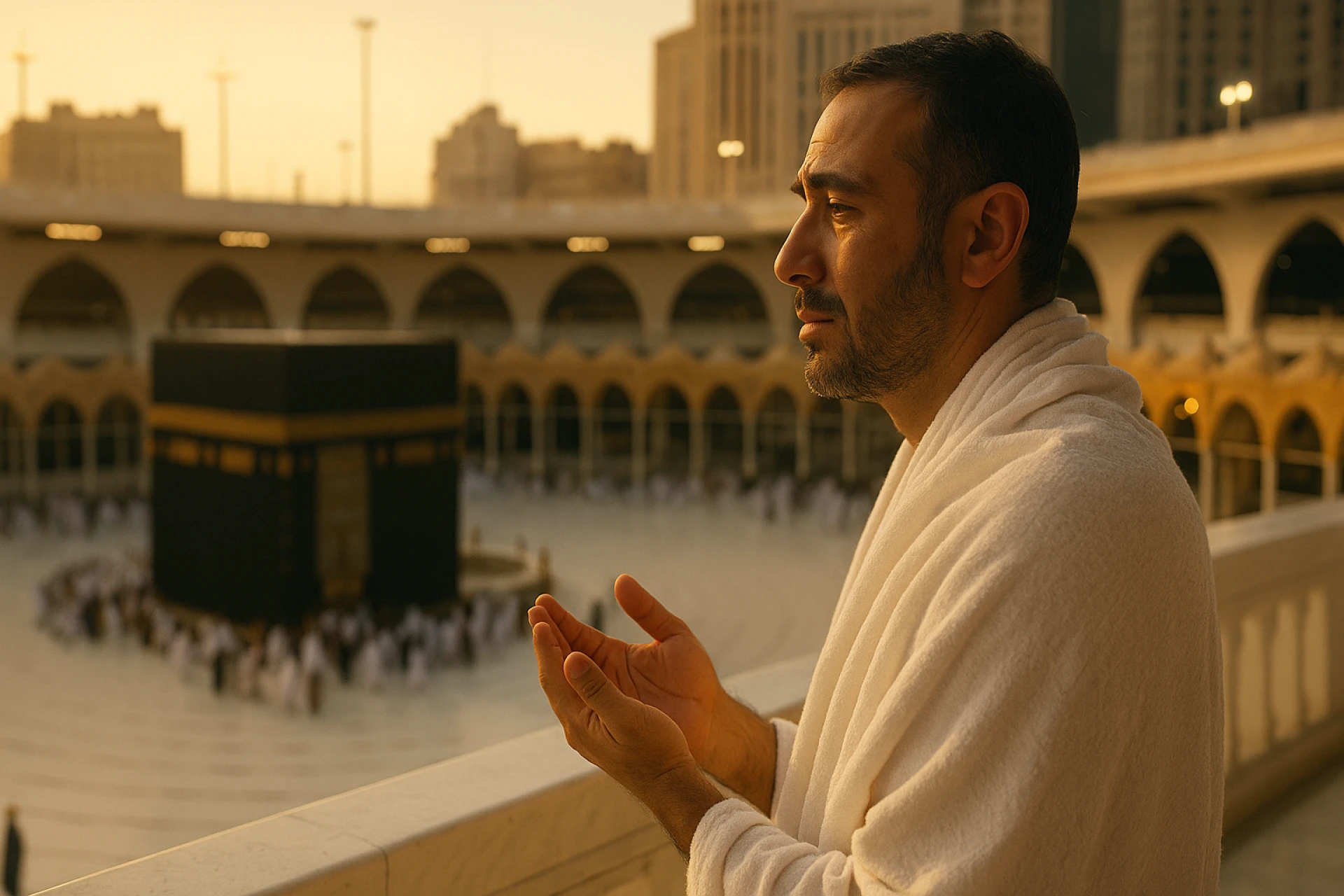
Hajj and Umrah are journeys that every Muslim in the world wishes to embark on. They are not only sacred journeys, but also acts of Sunnah that help wipe away sins, purify the soul, and bring us closer to Allah (SWT).
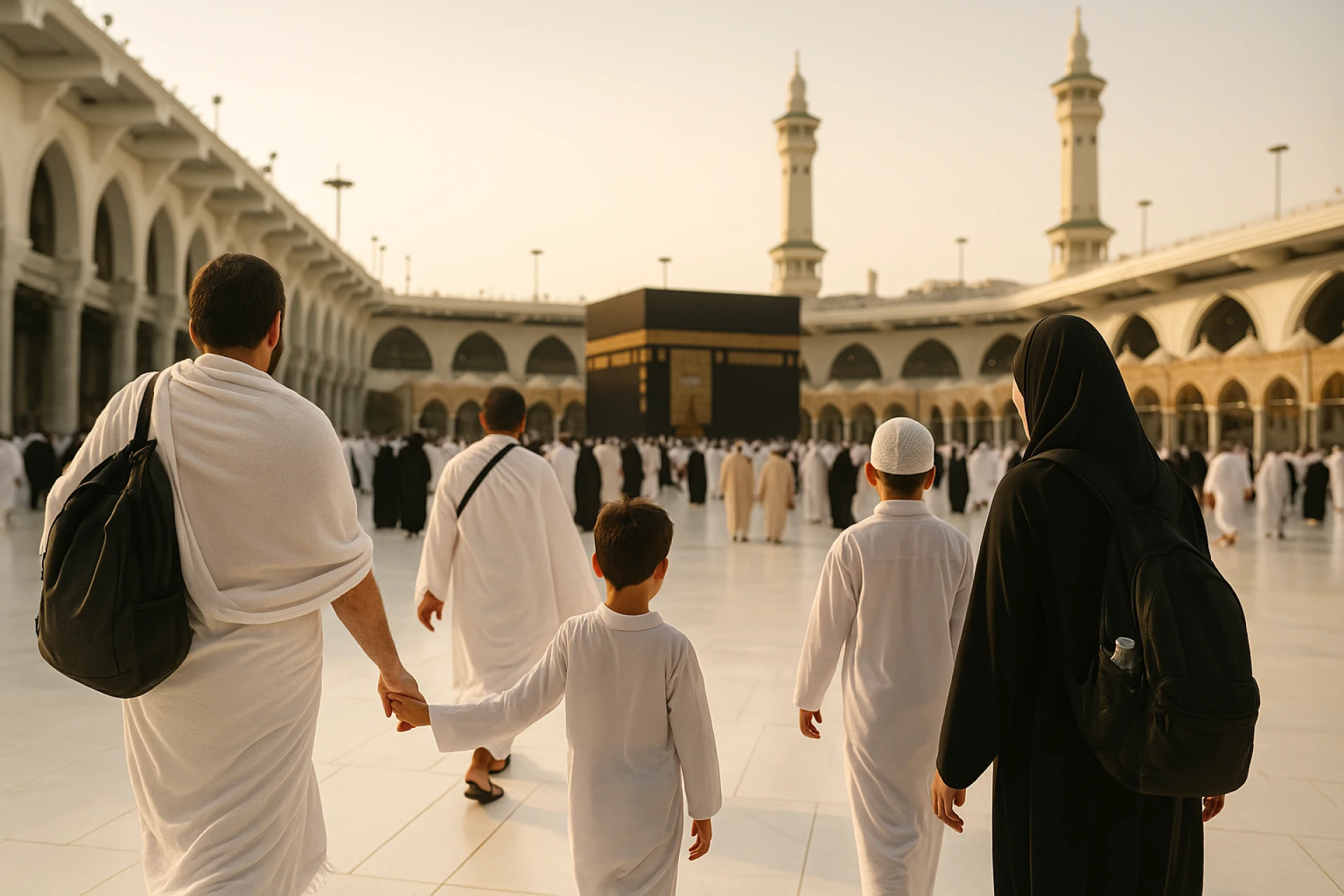
Every pilgrim desires to perform the rituals of Hajj and Umrah with full sincerity, whether circling the Kaaba, walking between Mount Safa and Mount Marwah, drinking Zamzam, or praying on the same ground where our Prophet Muhammad (PBUH) once prayed. It is a journey people save for, pray for, and wait years to experience.
But when pilgrims take their return flights, along with the baggage, many carry regret in their hearts. Not because their journey was incomplete, but because they realised they could have done certain acts differently, with more mindfulness, sincerity, preparationand more spiritual depth.
These regrets are surprisingly common among pilgrims, but the good news is that with the right awareness and intention, you can easily avoid them. In this blog, we will explore the mistakes pilgrims realise only after returning and how to make your Umrah peaceful, meaningful and regret-free.
1. I rushed through the rituals instead of immersing myself.
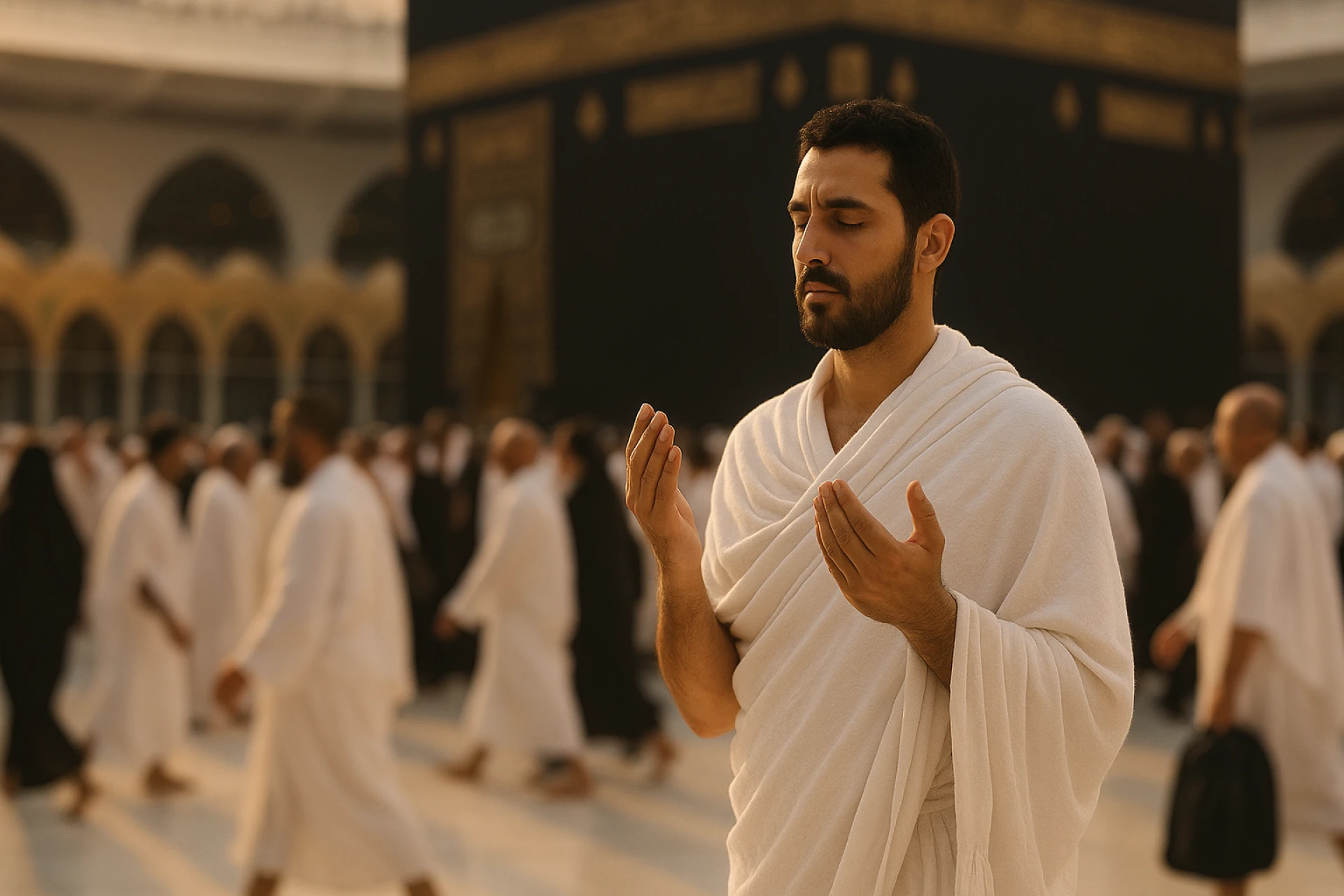
After completing their Umrah journey and during the return flight, Many pilgrims realise how quickly they performed Tawaf, sa’i, salah and duas. The excitement, the adrenaline rush, and the crowds all create a sense of urgency, which makes the pilgrim feel the rituals as tasks to complete rather than moments to immerse.
Many pilgrims, after returning, often say:
I wish I had slowed down. I wish I had enjoyed and absorbed the moment more.
How To Avoid This Regret
When performing the rituals, be mindful and move with presence and not speed. Take pause, reflect and take a deep breath during the rituals. Remember that each ritual you are performing is a conversation with Allah (SWT). Even if the heat is intense or the crowd is large, engage your mind and heart fully. Umrah is not a race; it’s a sacred opportunity to come closer to Allah.
2. I didn’t make enough heartfelt dua.
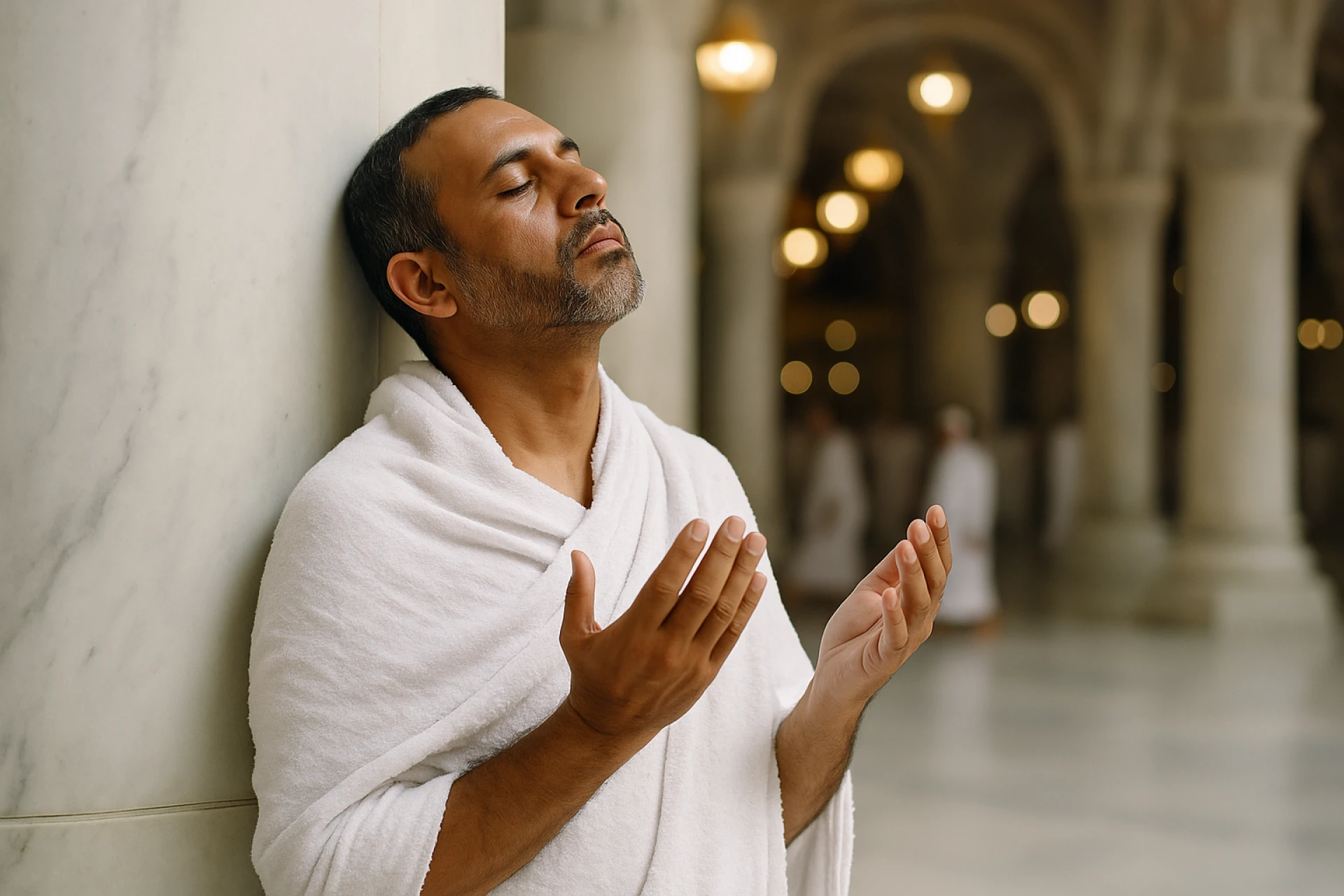
Moments after reaching your home, you will realise that you missed the sacred opportunities to make enough heartfelt duas. Many pilgrims express the regret of not utilising the precious moment for dua, specially during Tawaf. You may have seen pilgrims making videos during the rituals, which shifts your focus and pulls your heart away.
Many try to memorise long lists, become busy reading from their phones, or feel overwhelmed by the atmosphere. Some even freeze, unable to express what they truly want.
How to avoid it:
Instead of carrying a long list of what you want from Allah, make duas from your heart. Make duas with simplicity and honesty; your duas do not need to be perfected, they only need to be sincere. During the rituals, pause, take a break, look toward the Kaaba and let your heart speak to Allah (SWT).
3. I Didn’t Spend Enough Time In The Haram
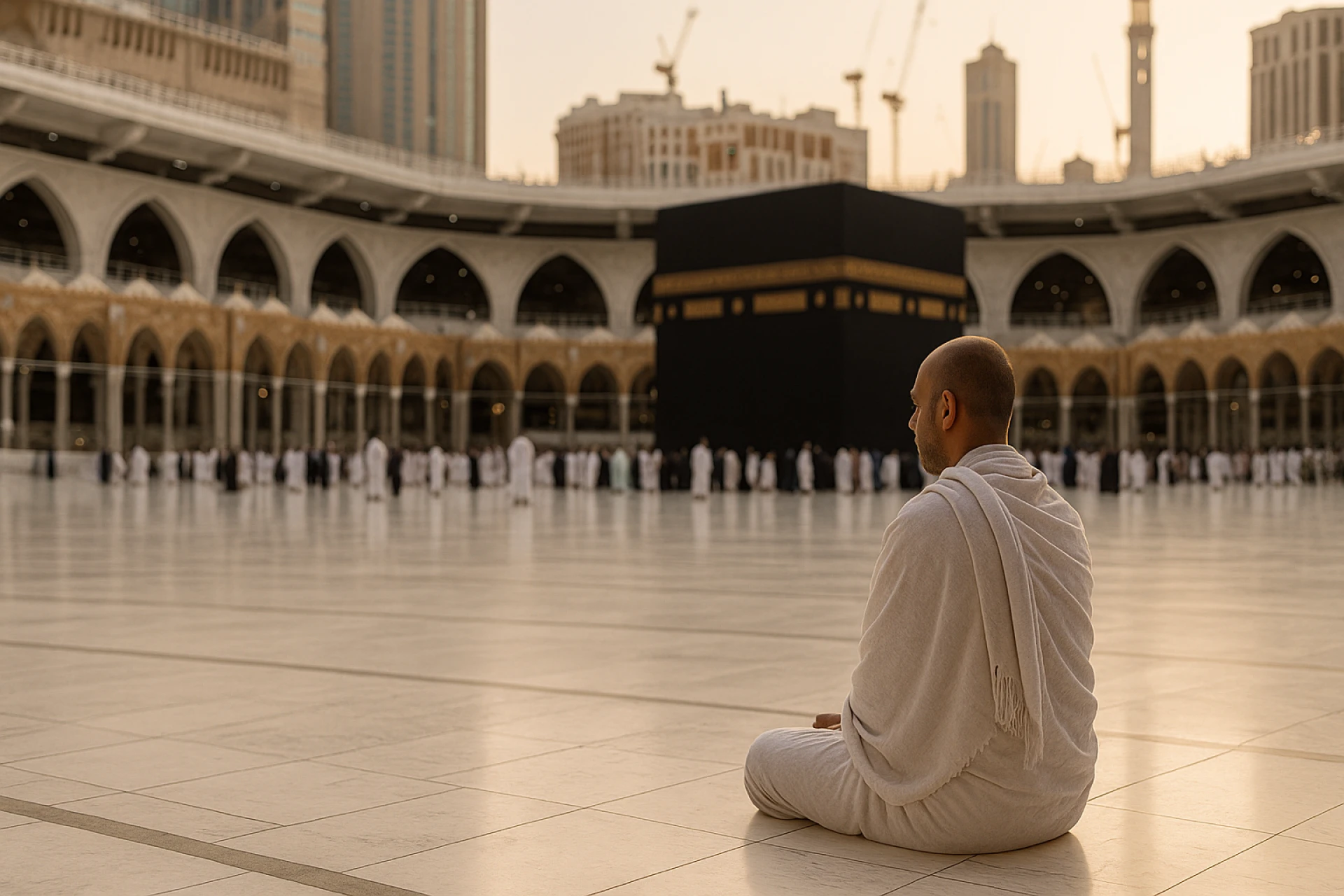
Umrah is not like other journeys, where your focus should be on exploration, outings and shopping. It is a sacred journey, an invitation to the House of Allah (SWT) and a profound opportunity to pray in the most sacred place on Earth.
But after returning from Umrah, some pilgrims regret not spending their maximum time in the Masjid al-Haram, with reasons like tiredness, distractions or focus on different things like outings and shopping.
How to avoid it:
Always prioritise spending most of your time in Haram. Rest is also important, but do not oversleep and waste your time in unnecessary things. Even short moments in the Haram carry a huge reward. Sitting quietly, doing dhikr, or praying two rak’ahs can be more meaningful than entire hours spent elsewhere.
4. “I didn’t protect my tongue.”
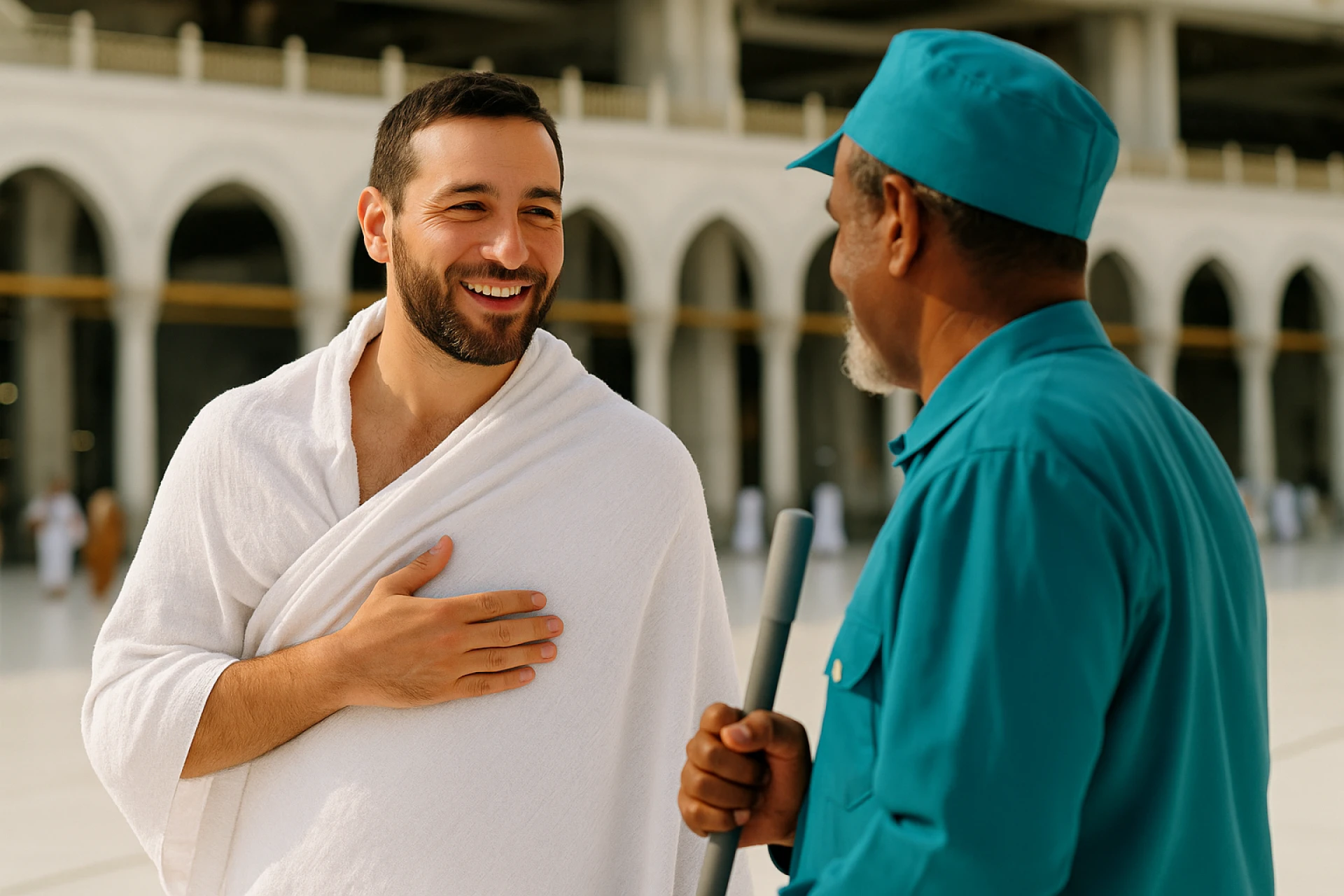
This is one of the most common regrets, pilgrims deeply feel, but they won’t share openly.
We all know the journey of Umrah is challenging, and in the midst of heat, fatigue, long queues, and crowd pressure, arguments happen. Irritation happens. Annoyance happens.
But after returning, pilgrims realise that they wasted the precious and sacred moments in complaining and losing patience.
How To Avoid It:
Remember your behaviour, etiquette and character, all are parts of the Umrah journey. You should always greet others with a smile. Respond with ease and comfort by saying Alhamdulillah, and give yourself a moment to pause before reacting to unexpected situations. Caring for others is one of the greatest forms of worship during Umrah.
5. I focused more on photos than on presence.
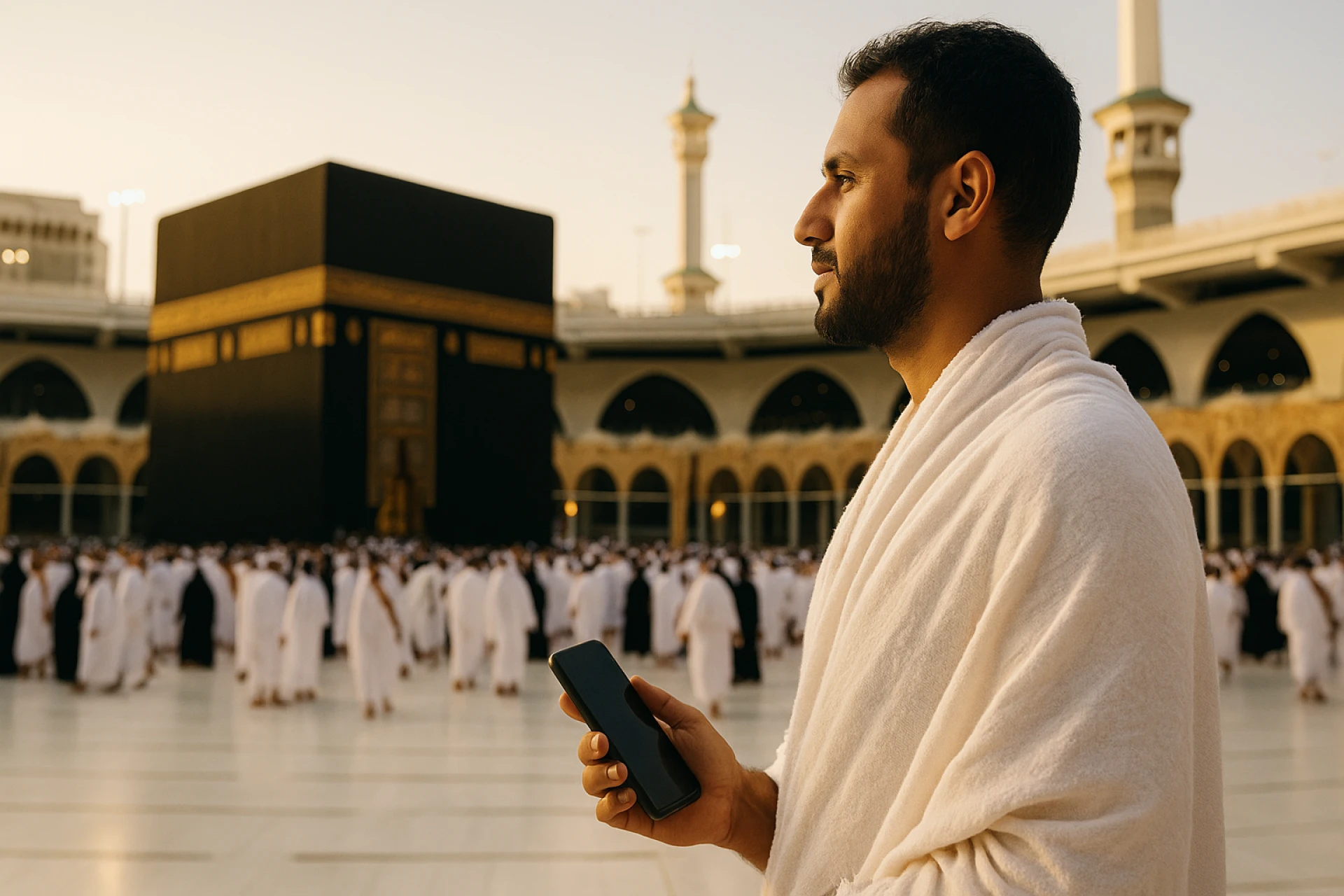
Many pilgrims, as soon as they enter Masjid al-Haram, take out their phones to capture the moment of witnessing the Kaaba. There’s nothing wrong with doing this, but it often draws your attention to your phone and away from the ibadah you came to focus on.
Pilgrims often say:
“I wish I looked at the Kaaba more with my eyes, not through my camera.”
How to avoid it:
Take limited photos for memories and reflection, then put your phone away. Capture moments in your heart and mind. The Kaaba deserves your full, undivided presence. No picture can fully hold the emotion of being in front of Allah’s House.
6. I didn’t take advantage of the spiritual atmosphere of Madinah.
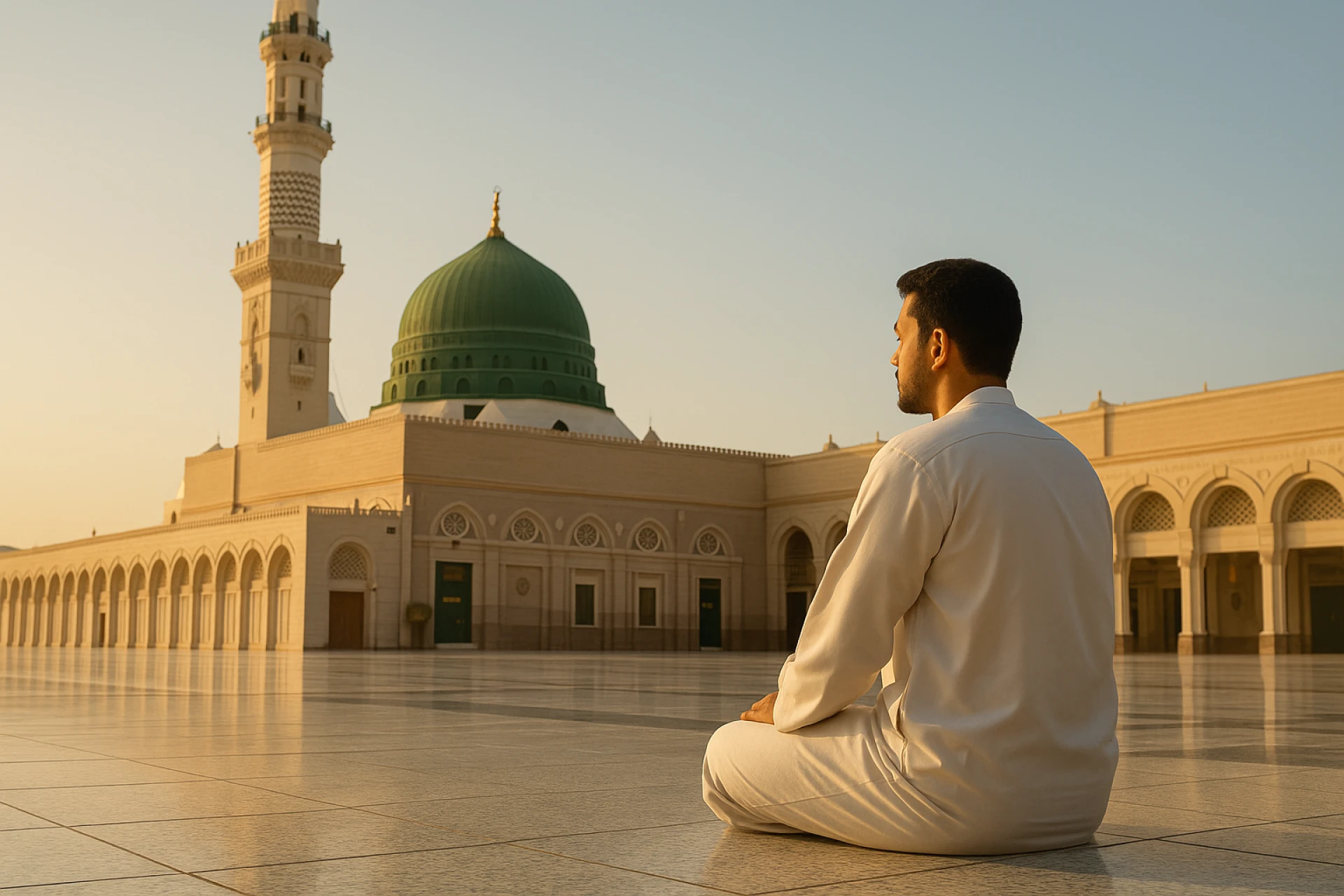
After the Umrah journey, many pilgrims often regret not spending more time in Masjid an-Nabawi, not sending salawat to the Prophet Muhammad (PBUH) and not reflecting deeply on the life of the Prophet.
Many pilgrims say, “I wish I had slowed down and enjoyed the peace of the city more.”
How to avoid it:
Madinah is the second most sacred place on Earth, so treat it as a spiritual retreat. Remind yourself that you are in the place where our Prophet Muhammad (PBUH) lived.
When in Masjid an-Nabawi, sit near the Rawdah, send salawat frequently and walk the streets of Madinah imagining the footsteps of the Sahabah. All these will allow your heart to soften more and enjoy the mercy of the city.
Final Wordings: A Regret-Free Umrah Is Possible
Umrah is a sacred journey which leads to spiritual transformation, and no pilgrim returns from Umrah unchanged. But many pilgrims return wishing they had done more, felt more, prepared more and return with no regrets.
Awareness is your greatest tool. When you know what others regret, you can approach Umrah with wisdom, presence, and preparation.



























Sign in to leave a comment.