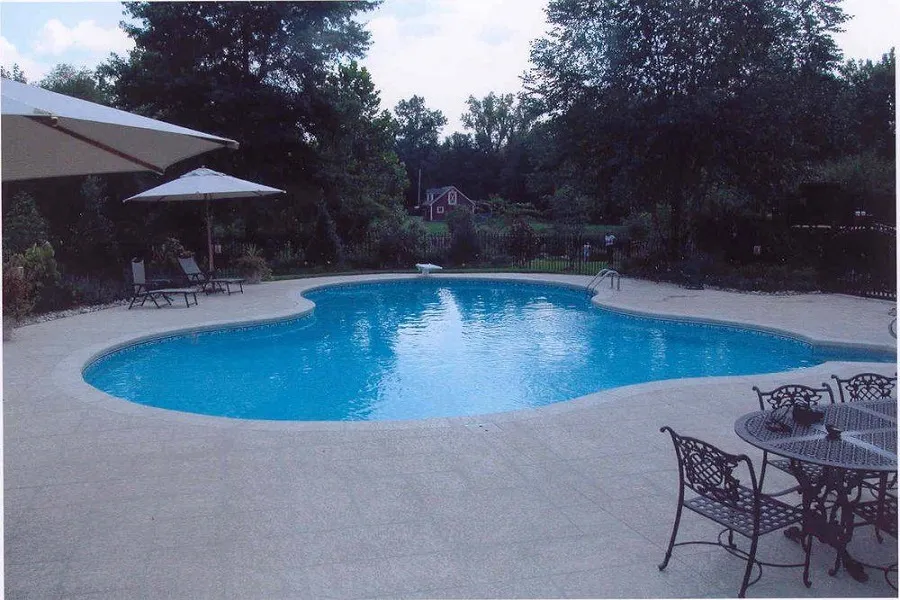

A pool deck in Orange County has to handle far more than ordinary foot traffic. Direct sunlight, repeated wet-and-dry cycles, pool chemicals, bare feet, surface heat, and seasonal weather can gradually make concrete uncomfortable, slippery, faded, or difficult to maintain. The best coating therefore needs to balance heat reduction, slip resistance, UV stability, durability, appearance, and compatibility with the existing concrete. For many sound concrete pool decks, a properly prepared acrylic cool-deck or other purpose-built exterior coating can be a strong choice, while high-performance polyaspartic systems may suit projects where abrasion resistance and a decorative broadcast finish are priorities. This is where professional pool deck Coating services in Orange County can help determine which system actually fits the property.
What Is the Best Coating for an Orange County Pool Deck?
For an existing concrete pool deck, a textured acrylic cool-deck system is often one of the most practical choices when the primary goals are cooler barefoot comfort, traction, decorative resurfacing, and protection from outdoor exposure. Polyaspartic systems can also be appropriate when the project calls for a highly durable, UV-stable resin coating with decorative flakes or quartz and enhanced abrasion resistance.
There is no universal “best” coating. The right system depends on the concrete's condition, sun exposure, moisture conditions, expected traffic, desired appearance, and maintenance expectations.
That distinction matters because a coating that performs well on a garage floor is not automatically the right specification for a pool deck.
Why Orange County Pool Decks Need Specialized Coatings
Pool decks operate in a particularly demanding environment. A surface may spend hours exposed to sunlight and then become saturated with water as swimmers enter and leave the pool. Sunscreen, pool chemicals, dirt, outdoor furniture, and frequent barefoot traffic add further wear.
Concrete Network notes that cool-deck coatings are specifically used around pools because their textured surfaces can help reduce heat absorption while improving traction when wet.
The technical challenge is therefore not simply making concrete look newer. The coating must work as part of an outdoor pedestrian surface.
A suitable system should address several practical concerns:
- Solar heat: Light-colored, heat-reflective finishes can help make the surface more comfortable underfoot.
- Wet traction: Texture and properly selected anti-slip additives can improve grip around the pool.
- UV exposure: Exterior coatings should be formulated for prolonged sunlight rather than relying on products intended primarily for interior floors.
- Water exposure: The system needs to tolerate repeated wetting and drying.
- Surface movement: Existing concrete can expand, contract, and develop minor cracks over time.
- Maintenance: The finished surface should be reasonably easy to clean and maintain.
- Aesthetics: Color, texture, and pattern should complement the pool, landscaping, and surrounding architecture.
Acrylic Cool-Deck Coatings: A Strong Choice for Pool Areas
Acrylic cool-deck coatings are widely associated with pool-deck resurfacing because they combine decorative flexibility with a textured walking surface.
California Pools & Landscape describes Cool Deck as an acrylic-based textured coating applied over concrete, with UV protection, slip-resistant texture, and options for different colors and patterns.
The biggest advantage is comfort.
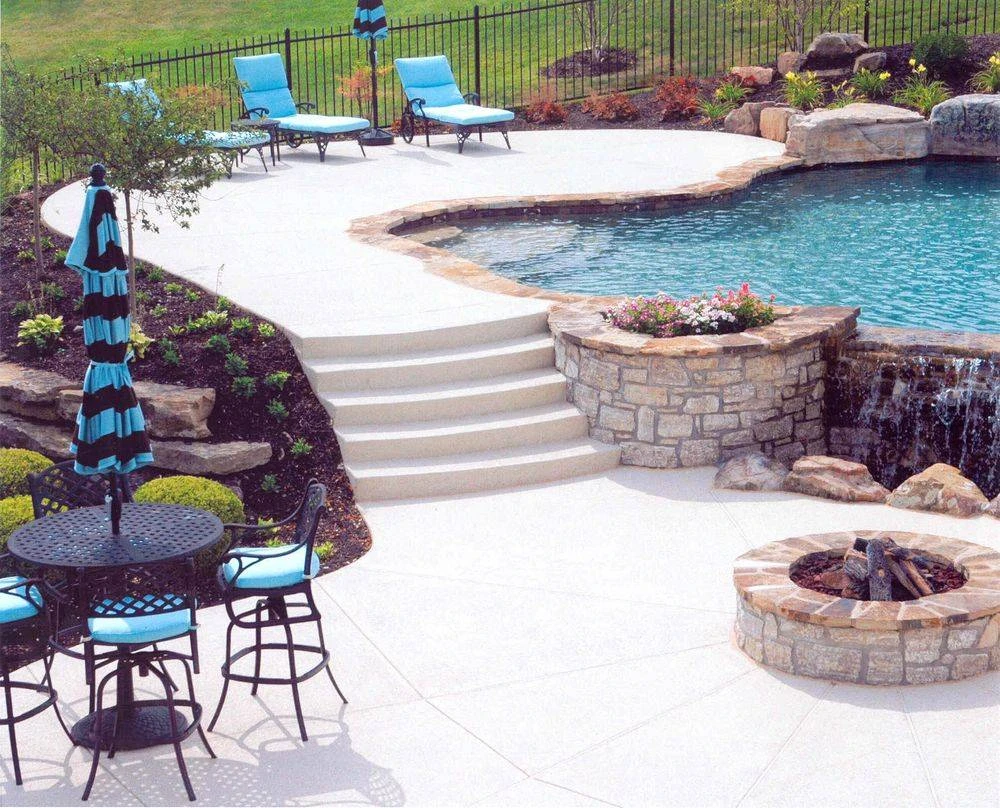
A bare concrete deck can absorb substantial solar heat, particularly when exposed to direct afternoon sun. A light-colored, heat-reflective coating can reduce heat absorption compared with darker, more heat-retentive surfaces. Product manufacturers also offer specialized heat-reflective acrylic formulations designed specifically for exterior concrete and pool decks. For homeowners who frequently use the pool barefoot, that difference can be meaningful.
Where Acrylic Coatings Make Sense
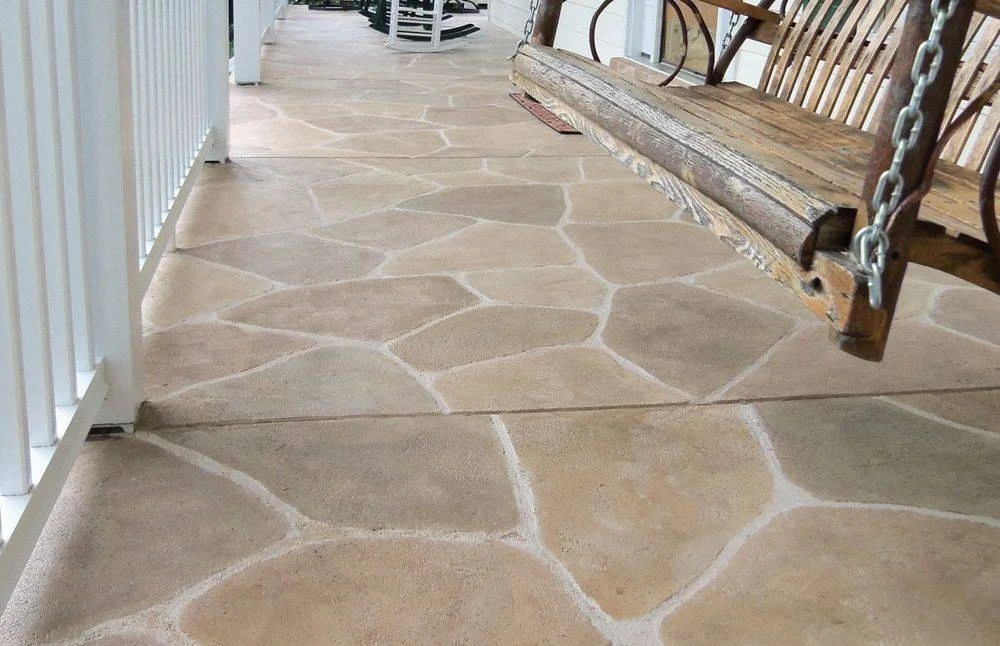
Acrylic systems are particularly worth considering when the existing slab is structurally sound but looks worn, faded, rough, or outdated. They can also provide considerable design flexibility. Depending on the system, a contractor may create textured finishes, decorative patterns, borders, and colors that resemble stone or other architectural surfaces. The key word is properly prepared.
An acrylic coating should not be viewed as a way to hide serious structural problems. Cracked, unstable, contaminated, or poorly prepared concrete can compromise the performance of almost any coating system.
Polyaspartic Pool Deck Coatings: Where They Fit
Polyaspartic coatings are another option for outdoor concrete applications. They are known for fast curing and strong resistance to abrasion, while exterior-grade formulations can provide UV stability. Some Orange County coating contractors currently use polyaspartic systems with decorative flakes or quartz aggregates for pool decks, emphasizing wet traction, UV exposure, and heavy foot traffic.
This type of system can be attractive when a homeowner wants a more resinous, seamless appearance and strong wear resistance. However, the chemistry alone should not determine the specification. A pool deck is not simply an outdoor garage floor. The contractor should verify that the selected product and complete system are specifically suitable for exterior pedestrian use, poolside exposure, sunlight, and wet conditions. The surface texture also matters. A coating can be durable but still be poorly suited to a pool environment if its finish does not provide adequate wet traction.
What About Epoxy for a Pool Deck?
Epoxy is well established in interior concrete flooring, but exterior pool-deck applications require greater caution. The issue is not that every epoxy product is unsuitable outdoors. Rather, conventional epoxy can have limitations when continuously exposed to intense ultraviolet radiation. Depending on the formulation, UV exposure can contribute to discoloration or degradation.
That is why homeowners should avoid choosing a pool-deck coating simply because it is marketed as a “strong” floor coating. The better question is: Was the complete coating system engineered and specified for this particular outdoor environment? For an Orange County pool deck, UV resistance, wet traction, thermal exposure, moisture conditions, and compatibility with the concrete deserve more attention than a generic durability claim.
The Existing Concrete Determines the Starting Point
One of the most overlooked parts of pool-deck resurfacing is substrate preparation.
A beautiful coating cannot compensate for concrete that has been poorly evaluated.
Before installation, the contractor should look for:
- Cracks and movement
- Spalling or surface deterioration
- Previous coatings
- Oil, dirt, sunscreen, or chemical contamination
- Weak or dusty concrete
- Moisture-related concerns
- Uneven areas
- Existing sealers that could interfere with adhesion
- Damaged areas near pool edges and steps
A professional assessment helps determine whether the slab is suitable for coating or whether repairs should happen first. This is especially important when an older pool deck has been coated previously. Simply applying a new layer over a failing coating can transfer the original problem into the new installation.
Why Surface Preparation Matters More Than the Finish Color
Imagine two pool decks using the same coating material. One receives thorough cleaning, mechanical preparation, appropriate repairs, and careful application. The other is coated over contamination and weak material with minimal preparation. The finished colors might initially look identical. Their long-term performance may not be.
Preparation creates the foundation for adhesion. Depending on the substrate, professional preparation can include cleaning, mechanical profiling, crack repair, removal of incompatible coatings, and other corrective work recommended by the coating manufacturer. This is one reason homeowners should evaluate the system and installation process, not just the product name.
How Should Pool Deck Slip Resistance Be Evaluated?
Slip resistance is one of the most important considerations around any swimming pool. Water changes the behavior of a walking surface. A finish that feels comfortable and stable when dry may behave differently when water, sunscreen, or other contaminants are present.
Textured cool-deck systems are specifically designed to provide traction around pools, while some resin systems incorporate anti-slip aggregates into the finish.
The goal is a practical balance.
An extremely aggressive texture may provide traction but feel uncomfortable to bare feet. A very smooth finish may be pleasant to walk on but offer insufficient grip when wet. The appropriate texture should therefore be selected according to the pool's use, expected traffic, barefoot comfort, cleaning requirements, and manufacturer's recommendations.
How Can Orange County Homeowners Keep a Pool Deck Cooler?
Color and coating formulation both matter. Lighter finishes generally reflect more solar radiation than darker surfaces, while specialized reflective coatings are designed to reduce heat absorption. Concrete Network specifically identifies light-colored cool-deck coatings as a way to improve barefoot comfort compared with hotter surfaces. This does not mean any light-colored paint will automatically create a cool deck.
A purpose-built exterior coating should be evaluated for:
- Solar reflectance
- UV stability
- Surface texture
- Exterior durability
- Color retention
- Compatibility with the concrete
- Manufacturer-approved application methods
For homeowners comparing products, asking for technical documentation can be more useful than relying on phrases such as “cool,” “premium,” or “commercial grade.”
Is Pool Deck Resurfacing Better Than Replacing Concrete?
When the existing concrete is structurally sound, resurfacing can provide a practical alternative to complete removal and replacement. A suitable overlay or coating can refresh the appearance, improve texture, address minor surface wear, and change the color or design without rebuilding the entire slab. But resurfacing is not appropriate for every condition.
Significant structural movement, extensive deterioration, severe drainage problems, or unstable concrete may require a different solution. A coating contractor should explain those limitations rather than presenting resurfacing as a universal cure. That evaluation is particularly important for older pool areas where the visible surface may not reveal what is happening underneath.
What Should Homeowners Ask Before Choosing a Coating?
Before approving a pool-deck coating project, homeowners can ask a few straightforward questions:
- Is this product specifically approved for exterior pool-deck applications?
- How does the system perform under prolonged UV exposure?
- What texture will be used for wet-foot traction?
- How will the existing concrete be prepared?
- How will cracks and damaged areas be addressed?
- Is moisture testing or evaluation necessary?
- What maintenance does the manufacturer recommend?
- What areas will be coated, and which areas will remain untreated?
- What does the product warranty actually cover?
- Can the contractor provide technical data for the proposed system?
These questions help shift the conversation from “Which coating looks best?” to “Which system is technically appropriate for this deck?” That is a much better starting point.
A Practical Way to Choose the Right Pool Deck Coating
For many Orange County properties, a textured acrylic cool-deck system deserves serious consideration when heat reduction, barefoot comfort, decorative flexibility, and wet traction are priorities.
A polyaspartic or polyurea-based system may be worth evaluating when the project calls for a resin-based finish with strong abrasion resistance, decorative broadcast options, and a seamless appearance, provided the specific formulation is designed for exterior pool-deck use.
Current Orange County contractors market both acrylic-style resurfacing and polyaspartic systems for pool environments, illustrating why product selection should be based on the complete application rather than chemistry alone.
The best choice ultimately comes down to the existing slab and the homeowner's priorities. Someone dealing mainly with a hot, faded concrete surface may benefit from a cool-deck resurfacing approach. Another property with demanding traffic or a preference for a decorative broadcast finish may require a different specification.
Conclusion
The sensible next step is to have the existing concrete evaluated before selecting the coating. A professional should assess cracks, surface deterioration, previous coatings, moisture conditions, and overall substrate stability. Proper preparation is essential because even a high-quality coating can experience adhesion problems or premature wear when applied over an unsuitable or poorly prepared surface.
When comparing pool deck coating services in Orange County, ask the contractor to explain the substrate condition, preparation method, proposed coating chemistry, texture, UV performance, maintenance requirements, expected durability, and limitations of the system. These details can help homeowners understand whether a particular coating is appropriate for their pool environment.
In the end, good pool-deck resurfacing is about more than changing the color of concrete. It is about selecting the right system for the environment, preparing the surface correctly, and creating a finish that remains comfortable, functional, and attractive through years of poolside use.
Frequently Asked Questions About Pool Deck Coatings
1. What is the best coating for a concrete pool deck?
A textured acrylic cool-deck coating is often a strong choice for sound concrete when the priorities are cooler barefoot comfort, slip resistance, and decorative resurfacing. Other exterior-rated systems, including polyaspartic coatings, can be appropriate depending on traffic, appearance, and performance requirements.
2. Is acrylic coating good for a pool deck?
Yes. Properly formulated exterior acrylic coatings are commonly used for pool decks because they can provide a textured, UV-resistant, decorative surface. Their suitability still depends on the concrete condition, preparation, product specifications, and installation method.
3. Can a pool deck coating make concrete cooler?
A properly selected heat-reflective or cool-deck coating can reduce solar heat absorption compared with untreated or darker surfaces. The actual temperature difference depends on factors such as color, coating formulation, sunlight, substrate, and surrounding conditions.
4.Are pool deck coatings slippery when wet?
They should not be selected solely on appearance. Pool-deck systems should incorporate an appropriate textured finish or anti-slip aggregate designed for wet pedestrian areas. The final traction depends on the coating system, texture, installation, and maintenance.
5. How can homeowners choose pool deck Coating services in Orange County?
Homeowners should compare contractors based on substrate preparation, exterior product specifications, wet-traction strategy, UV resistance, repair procedures, warranty terms, and experience with pool environments. A professional site evaluation is more useful than choosing a coating from a color sample alone.
























Sign in to leave a comment.