

Poor spine alignment is one of the most common but ignored causes of back pain, neck pain, and long-term spine problems. Many people suffer from lower back pain, upper back pain, body stiffness, or nerve pain without knowing that the root cause is often spine misalignment. When the spine is not aligned properly, the entire body structure gets disturbed, leading to pain, discomfort, and reduced mobility.
The spine is the main support system of the human body. A healthy and properly aligned spine helps maintain good posture, smooth movement, and proper nerve function. When spine alignment is incorrect, pressure builds up on muscles, joints, and nerves, which slowly creates chronic pain conditions.
What Is Spine Alignment and Why Is It Important for Body Health
Spine alignment refers to the natural position of the spine where the neck, upper back, and lower back maintain their correct curves. Proper spine alignment helps distribute body weight evenly and protects the spinal nerves. When posture is correct, the muscles work efficiently, and joints stay stress-free.
Poor posture, long sitting hours, mobile phone overuse, lack of physical activity, previous injury, or disc-related issues can disturb spine alignment. This condition is commonly known as poor posture, spine alignment, or spinal misalignment, and it affects not only the back but the entire body.
Back Pain Caused by Poor Spine Alignment
One of the most common effects of poor spine alignment is chronic back pain. This includes lower back pain, upper back pain, and mid-back stiffness. In the early stages, back pain may appear only after long sitting or standing. Over time, it becomes constant and starts interfering with daily activities.
When spine alignment is disturbed, muscles remain tight, joints face extra pressure, and movement becomes restricted. Morning stiffness, difficulty bending, and pain while walking are strong signs of spine alignment problems.
Neck Pain and Cervical Problems Due to Spine Misalignment
Poor spine alignment often leads to neck pain, cervical pain, and cervical spine problems. The neck supports the head, and even small alignment issues can cause muscle strain and joint stress. This results in neck stiffness, reduced neck movement, and pain spreading to the shoulders.
People who use computers, laptops, and mobile phones for long hours commonly suffer from cervical spine misalignment, which can slowly turn into cervical spondylosis if ignored.
Headache and Migraine Linked to Spine Alignment Issues
Many cases of frequent headaches and cervical headaches are directly linked to spine alignment issues. Poor spine alignment affects blood circulation and nerve signals in the neck area. This leads to headaches that usually start from the back of the head and move toward the forehead or eyes.
Painkillers may give temporary relief, but headaches return because the main cause, poor spine alignment, remains untreated.
Shoulder Pain, Arm Pain, and Nerve Compression
Spine misalignment can cause nerve compression, leading to shoulder pain, arm pain, and weakness in the hands. Some people feel tingling, numbness, or a burning sensation in the arms. Shoulder stiffness and difficulty lifting the arm are also common signs of spinal nerve pressure.
If these symptoms are ignored, they can develop into frozen shoulder, long-term nerve damage, or chronic shoulder pain.

Lower Spine Alignment Problems and Leg Pain
Problems in lower spine alignment often lead to hip pain, leg pain, and sciatica pain. Sciatic pain usually starts in the lower back and travels through the hip down to the leg. Sitting, standing, or walking for long periods can increase the pain.
People with lower spine misalignment may also feel numbness, tingling, or weakness in the legs, which clearly indicates nerve involvement.
Posture Problems Caused by Poor Spine Alignment
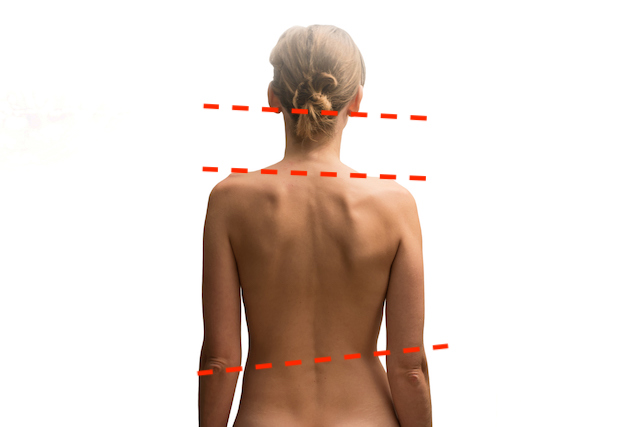
Poor spine alignment slowly changes body posture. One shoulder may look higher than the other, or the body may lean slightly to one side. These posture problems affect balance and increase muscle fatigue.
Bad posture caused by spine misalignment makes the body work harder to stay upright, which leads to faster tiredness and reduced stamina.
Daily Life Problems Due to Spine Alignment Issues
Spine alignment problems affect daily life in many ways. Office work becomes uncomfortable, driving causes back and neck pain, and sleep quality decreases. Poor sleep further increases muscle stiffness and pain.
Many people stop exercising due to pain, which worsens spine alignment even more. This creates a cycle of pain, stiffness, and reduced movement.
Why Spine Pain Exists Even When X-Ray or MRI Is Normal
Many patients experience pain even when their X-ray or MRI reports are normal. This happens because posture problems, muscle imbalance, joint restriction, and early spine alignment issues do not always show on imaging reports.
Pain is a real signal from the body and should never be ignored just because reports look normal.
Why Ignoring Spine Alignment Problems Can Be Dangerous
Ignoring spine alignment problems can turn short-term pain into chronic spine pain. Continuous nerve pressure can cause permanent nerve damage, reduced mobility, and in severe cases, surgery may be required.
Painkillers only mask symptoms. They do not correct spine alignment issues or fix the root cause.
Best Treatment Options for Correcting Spine Alignment
Correcting spine alignment requires proper evaluation and targeted treatment. Posture correction, manual therapy, chiropractic treatment, and rehabilitation exercises help restore natural spine balance. When treatment focuses on alignment instead of only pain relief, results are long-lasting.
With the right care, spine alignment can improve naturally, reducing pain and restoring normal movement.
When to Consult a Spine Specialist
If back pain, neck pain, or nerve pain lasts for weeks, keeps returning, or affects daily activities, consulting a spine specialist is important. Early treatment of spine alignment problems can prevent serious complications and improve quality of life.






























Sign in to leave a comment.