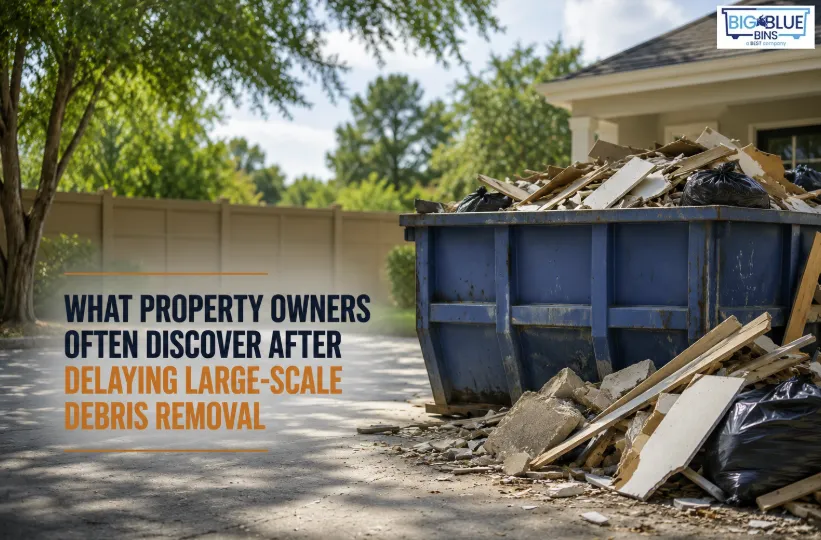

Large piles of debris rarely seem urgent at first. A few stacks of construction materials, discarded furniture, yard waste, or renovation leftovers may look manageable for a while. But I've seen property owners realize, sometimes too late, that postponing cleanup creates bigger challenges than they ever expected.
Whether someone is managing a home renovation, a commercial property upgrade, an estate cleanout, or a construction project, delaying debris removal can quickly turn a small problem into a costly, time-consuming headache. That's honestly why so many property owners look into roll-off dumpster rentals in The Villages early in their projects, getting waste contained before it starts affecting safety, productivity, and how the property looks.
Let's take a closer look at what property owners commonly discover after putting off large-scale debris removal.
Safety Risks Increase Over Time
Safety Risks Increase Over Time. Accumulated debris creates more than just visual clutter.
Construction materials, broken furniture, sharp objects, and uneven waste piles can create serious hazards for workers, contractors, tenants, visitors, and family members.
Some of the most common risks include:
- Loose materials that can cause trips and falls.
- Sharp debris that may lead to cuts and injuries.
- Heavy waste piles that can shift or collapse unexpectedly.
- Blocked walkways make it harder to move safely around the property.
- Standing water trapped in debris can attract mosquitoes and other pests.
- Scattered construction materials increase the chance of workplace accidents.
I've noticed that safety issues often start small. A few misplaced materials or a blocked pathway may not seem serious at first but debris has a way of piling up faster than anyone manages it, and those minor inconveniences quietly turn into real hazards.
The longer debris stays on-site, the greater the risk of injuries, project disruptions, and safety concerns that could have been easily avoided.
Delays Can Affect Project Efficiency
This is probably one of the most overlooked problems. Most people focus on the debris itself, but the bigger issue is what that debris does to the workspace.
I've watched contractors spend extra time moving materials around waste piles just to reach the area where they're actually supposed to be working. Doesn't sound like a big deal until it's happening every single day on the same job site.
Equipment has less room to move. Materials get stacked wherever there's open space. Workers spend more time navigating clutter than actually getting work done.
What usually works is staying on top of effective waste management solutions throughout the project instead of saving it all for the end. Small cleanup efforts along the way consistently prevent much bigger headaches later that part I'd bet on every time.
What often fails is the "we'll deal with it later" approach. Later always arrives faster than anyone expects, and by then the pile is twice the size and twice the problem.
Hidden Costs Begin to Add Up
Hidden Costs Begin to Add Up. Many people delay cleanup because they assume it will save money. In reality, the opposite often happens.
Large debris accumulations may lead to:
- Additional labor costs
- Longer cleanup times
- Project delays
- Equipment access issues
- Emergency disposal needs
- Higher hauling expenses
According to industry estimates, poor waste management practices can significantly impact project efficiency and increase operational costs on construction and renovation sites.
The longer waste stays unmanaged, the more expensive removal tends to become and by that point, the savings people thought they were holding onto are usually long gone.
Pest Problems Become More Likely
Debris piles often create ideal conditions for unwanted pests.
Depending on the material involved, accumulated waste may attract:
- Rodents
- Ants
- Termites
- Mosquitoes
- Cockroaches
- Other insects
Yard debris, wood piles, cardboard, and standing water are particularly attractive to pests. It doesn't take long, either; a pile that's been sitting for a few weeks can already be harboring problems most property owners won't notice until it's gotten worse.
Property owners are often genuinely surprised to find that a simple debris pile contributed to a much larger maintenance issue. What started as a cleanup problem quietly turned into a pest problem and those two things don't cost the same to fix.
Choosing the Right Disposal Approach Early Makes a Difference
One lesson many experienced property managers learn is that proactive cleanup is easier than reactive cleanup.
Projects often benefit from:
1. Roll-Off Dumpster Rentals
Roll-off dumpster rentals provide a centralized location for debris disposal throughout a project.
Benefits include:
- Improved organization
- Better site safety
- Faster cleanup
- Reduced clutter
- Easier waste management
2. Construction Dumpster Rentals
Construction dumpster rentals are particularly useful for:
- Remodeling projects
- Roofing jobs
- Demolition work
- Commercial renovations
- New construction
They help contractors manage debris continuously instead of allowing waste to accumulate.
3. Residential Dumpster Rentals
Residential dumpster rentals can simplify:
- Home cleanouts
- Garage cleanups
- Estate cleanouts
- Landscaping projects
- Renovations
Having a designated disposal solution often prevents debris from becoming overwhelming.
Signs It's Time to Remove Debris Immediately
Property owners should consider immediate cleanup if:
- Walkways become blocked
- Waste piles continue growing weekly
- Workers have limited access to work areas
- Pests become noticeable
- Property appearance declines
- Project progress slows down
When any of these signs show up, that's usually the point where waiting stops making sense. Big Blue Bins makes it easy to act fast, getting a dumpster on-site quickly so debris is handled before it becomes a much larger problem.
Addressing these issues early typically requires far less effort than waiting until the debris becomes completely unmanageable.
Key Takeaways
- Debris piles often grow faster than expected.
- Delayed cleanup can create safety hazards.
- Property appearance may suffer when waste accumulates.
- Project efficiency often declines due to cluttered workspaces.
- Pest activity becomes more likely around unmanaged debris.
- Early waste management planning typically reduces costs and delays.
- Roll-off dumpster rentals can help maintain organization throughout a project.
Conclusion
Large-scale debris rarely becomes easier to manage by waiting.
If I had to make one honest judgment based on what I've actually seen — delaying debris removal almost always takes longer and creates more frustration than property owners expect. The pile grows, the workspace shrinks, and what looked like a simple cleanup turns into something nobody wants to touch.
Whether it's a renovation, construction project, property cleanout, or routine maintenance work, keeping debris under control from the start leads to fewer delays, safer conditions, and a smoother experience overall. That's exactly why so many property owners in the area rely on Big Blue Bins to handle debris removal before it becomes a bigger problem than it needs to be.
Most property owners don't regret removing debris too early. They almost always regret waiting too long.
FAQs
1. What happens if debris is left on a property for too long?
Debris creates safety hazards, attracts pests, and makes a property look neglected fast. The longer it sits, the harder and more expensive it becomes to deal with — that part I've seen play out consistently.
2. Why does debris seem to accumulate so quickly during projects?
Most projects generate way more waste than anyone planned for. Demolition materials, packaging, damaged items, leftover supplies — it all adds up faster than expected. That surprise catches a lot of property owners off guard.
3. Are roll-off dumpster rentals useful for small projects?
Honestly, yes. Home cleanouts, small renovations, landscaping jobs — these create more waste than regular trash collection can handle. A roll-off dumpster makes the whole thing simpler and faster.
4. When should construction debris be removed?
Throughout the project, not at the end. Regular cleanup keeps the site safer, better organized, and easier to work in. Saving it all for one big push at the end rarely goes smoothly.
5. Can delayed debris removal increase project costs?
Almost always. Longer cleanup times, extra labor, project disruptions — it adds up quickly. Managing debris early is almost always the cheaper option.
6. What types of projects benefit from residential dumpster rentals?
Home renovations, garage cleanouts, estate cleanouts, moving projects, landscaping work, basically anything that generates more debris than a few trash bags can handle.























Sign in to leave a comment.