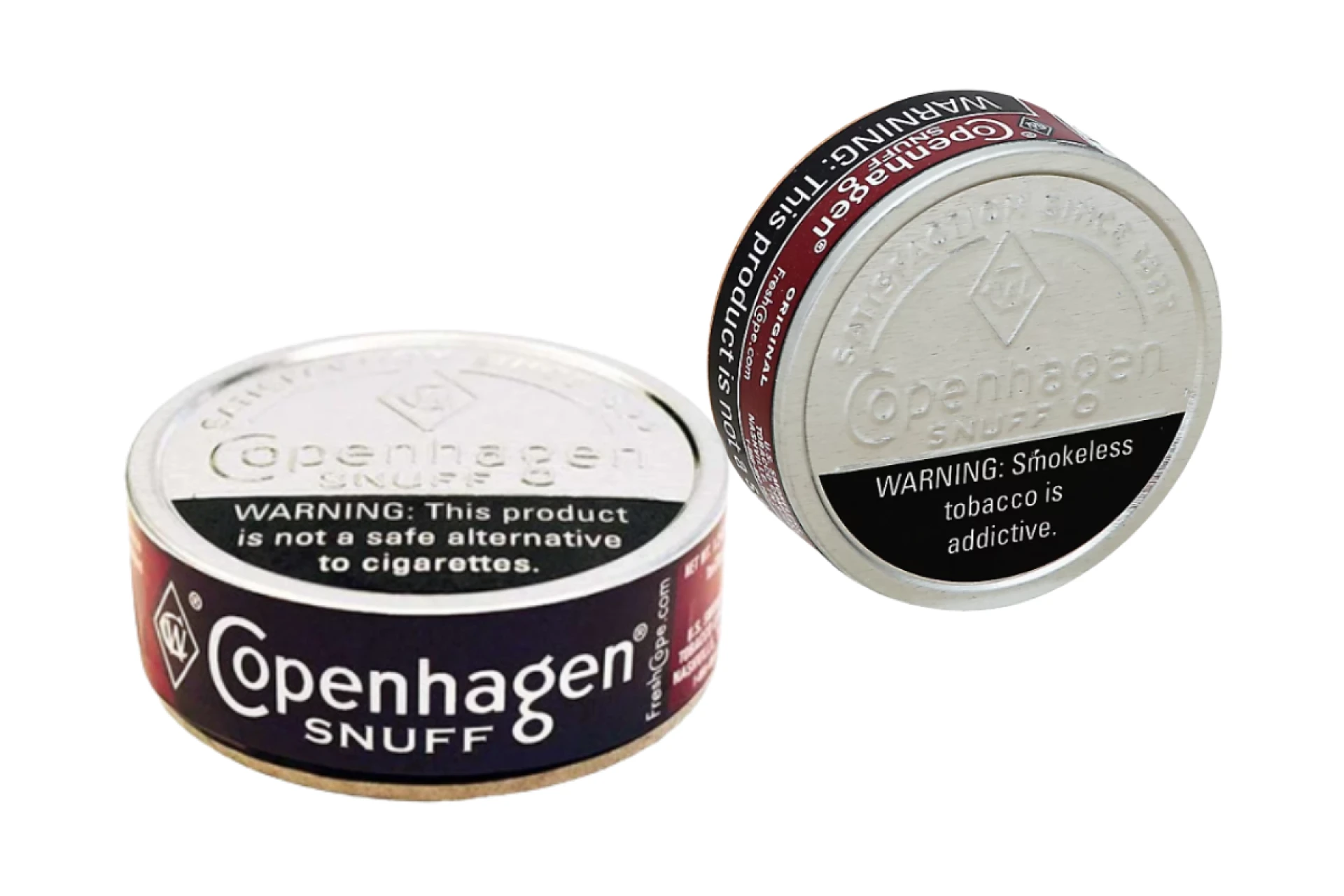

Understanding how tobacco products are regulated in Canada can be challenging, especially for lesser-discussed categories like snuff. Regulations surrounding snuff tobacco in Canada are shaped by federal laws, provincial rules, and public-health objectives that aim to control access, packaging, and distribution. For adults seeking clear information, it’s important to understand how these layers of regulation work together.
Federal Tobacco Regulations
At the national level, tobacco products in Canada are governed by the Tobacco and Vaping Products Act (TVPA). This law establishes the foundation for how tobacco products can be manufactured, promoted, labeled, and sold. Snuff tobacco falls under the broader category of smokeless tobacco, which is treated differently from cigarettes or cigars but is still subject to strict oversight.
Federal regulations focus heavily on restricting marketing and promotion. Advertising tobacco products to youth or in ways that could make them more appealing is prohibited. This includes restrictions on branding, imagery, and descriptive language that could imply lifestyle benefits. As a result, snuff tobacco packaging and presentation are tightly controlled across the country.
Packaging and Health Warnings
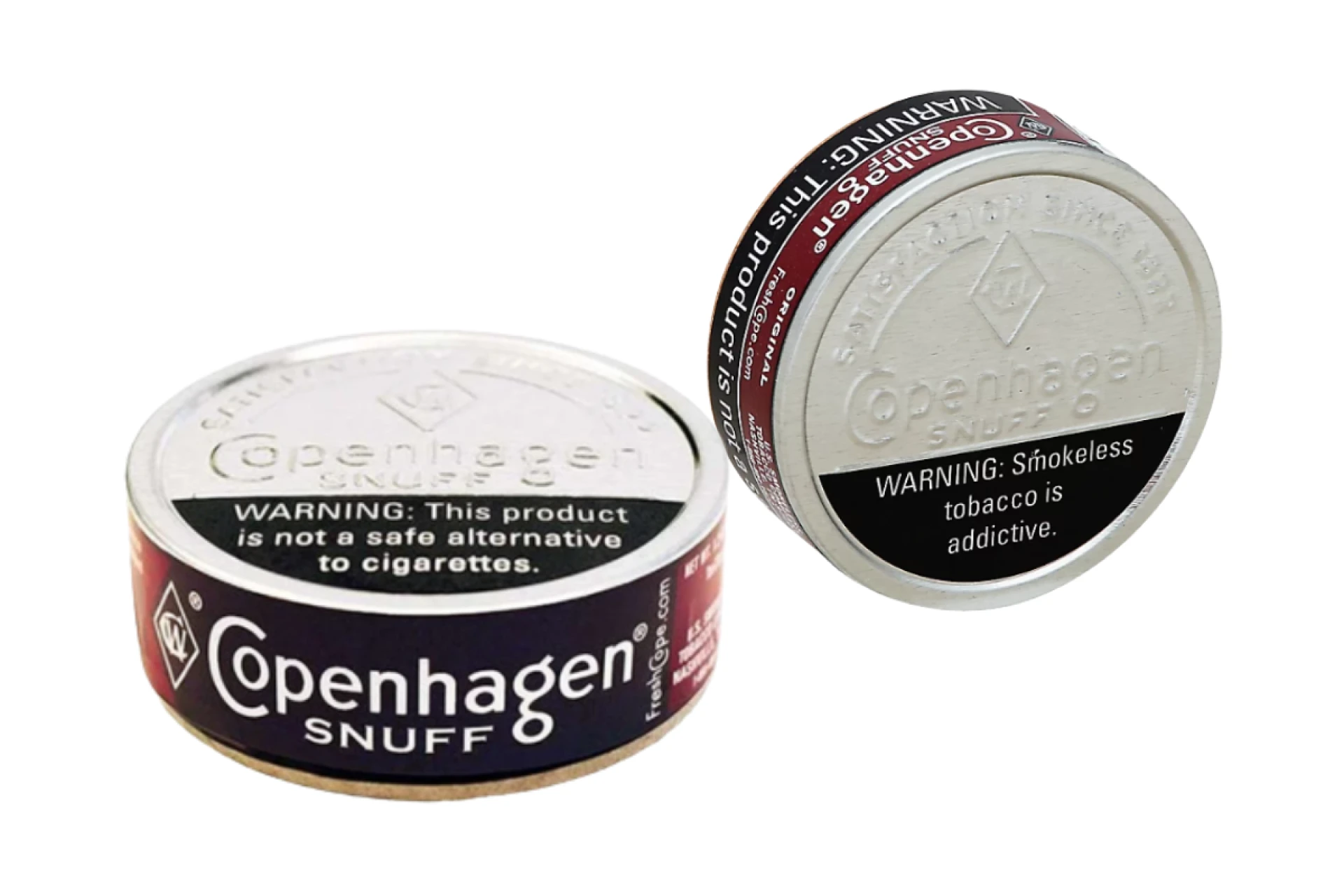
One of the most visible regulatory impacts involves packaging. Tobacco products sold in Canada must carry standardized health warnings that occupy a significant portion of the package. These warnings are designed to be clear, prominent, and difficult to ignore. For smokeless tobacco products, the messaging often focuses on oral health risks and nicotine dependence.
Plain packaging rules also limit the use of logos, colors, and design elements. Brand names are typically displayed in a uniform font and size. This approach ensures that no tobacco product stands out visually at the point of sale. These rules apply equally to cigarettes, cigars, and smokeless products, reinforcing a consistent regulatory environment.
Sales and Age Restrictions
Age restrictions are another core element of tobacco regulation. Across Canada, the legal age to purchase tobacco products is either 18 or 19, depending on the province or territory. Retailers are required to verify age and comply with strict enforcement measures. Penalties for violations can include fines, license suspension, or loss of the right to sell tobacco products.
Sales channels are also regulated. Tobacco products cannot be sold in certain locations or displayed openly in stores. This limits exposure, particularly to minors. Online sales are subject to additional scrutiny, including age verification and shipping requirements.
Provincial and Territorial Differences
While federal laws provide a baseline, provinces and territories have the authority to impose additional restrictions. This means regulations affecting snuff tobacco in Canada can vary slightly depending on where the product is sold. Some regions may have stricter rules around retail display, taxation, or permitted product types.
Taxation is one area where differences are most noticeable. Provinces set their own tobacco tax rates, which can affect pricing and availability. These taxes are intended to discourage tobacco use while generating revenue for public services. For smokeless tobacco products, tax structures may differ from those applied to cigarettes, but the overall intent remains consistent.
Importation and Distribution Controls
Importing tobacco products into Canada is also regulated. Products must meet Canadian standards before they can be legally distributed. This includes compliance with ingredient disclosure requirements and packaging rules. Unauthorized imports or non-compliant products may be seized by authorities.
Distributors and wholesalers must be licensed, and their activities are monitored to ensure compliance with federal and provincial laws. These controls help maintain a regulated supply chain and reduce the presence of unapproved products in the market.
Public Health Objectives Behind Regulations
The primary goal of tobacco regulation in Canada is public health protection. Policies are designed to reduce overall tobacco use, limit youth access, and ensure consumers are informed about health risks. Even though smokeless tobacco products differ from combustible ones, they are still subject to regulation because they contain nicotine and carry health considerations.
Education and awareness campaigns often accompany regulatory changes. These efforts help explain why certain products are restricted and how laws are intended to benefit public health over time.
Why People Seek Regulatory Information
Many adults search for information about tobacco regulations because the rules can change and are not always widely understood. Questions often arise about availability, legality, and compliance. At Native Smokes Delivered, inquiries frequently focus on understanding regulatory frameworks rather than seeking specific products.
This ongoing interest highlights the importance of transparent, accessible information. Regulations affect not only retailers and distributors but also consumers who want to make informed decisions within the legal framework.



























Sign in to leave a comment.