When venturing into the world of wellness supplements, particularly botanicals, consumers are often faced with a classic dilemma: choosing the most convenient form versus the most economical option. For those who regularly use kratom, this decision typically boils down to a choice between loose powder and pre-filled capsules. While capsules offer unparalleled convenience and a tasteless experience, they come with a different price tag.
If you are looking to balance your budget with your lifestyle, understanding the true cost difference is crucial. Whether you prefer the versatility of powder or the ease of swallowing capsules, finding a reliable source matters. For instance, many users looking for convenience often search for kratom capsules online with fast delivery to avoid the time-consuming process of measuring and capping their own servings. But is this convenience worth the extra money? Let’s break down the numbers, the factors that influence pricing, and how to decide which option is right for your wallet.
The Raw Numbers: Price Per Pound vs. Price Per Capsule
To understand the price difference, we have to move beyond the shelf price and look at the cost per serving. This is where the disparity between powder and capsules becomes most apparent.
1. The Cost of Kratom Powder
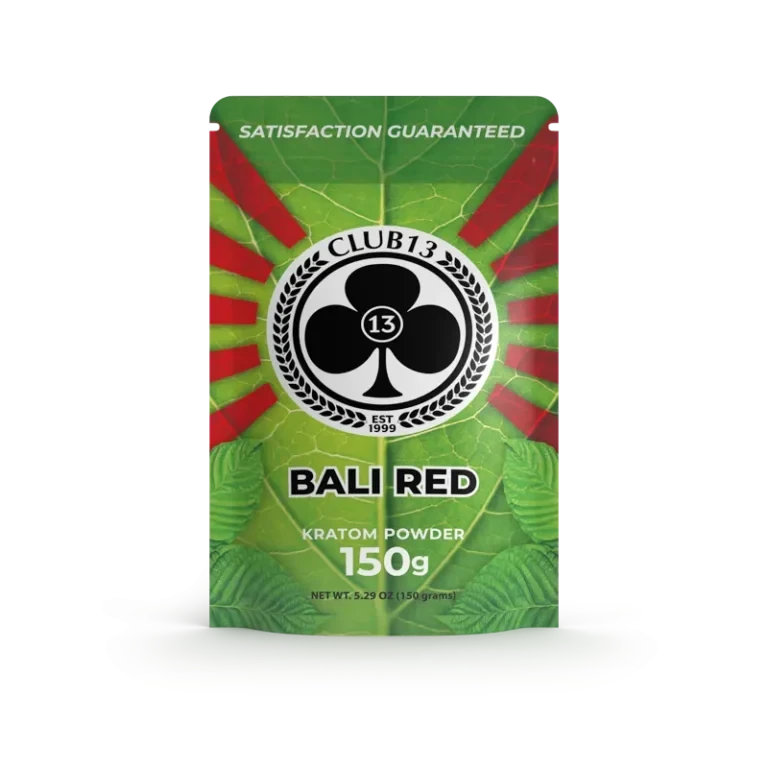
Kratom powder is the raw, unprocessed form of the crushed leaves. Because it requires minimal processing beyond drying and grinding, it is the most affordable option on the market.
- Average Price Range: High-quality powder typically ranges from $20 to $50 per pound, depending on the strain and vendor reputation.
- Cost Per Serving: A standard serving size of powder is roughly 2 to 3 grams. At this rate, a single serving from a $30 bag of powder costs approximately $0.13 to $0.20. It is the baseline for value.
2. The Cost of Kratom Capsules
Capsules involve an additional manufacturing step: the powder must be packed into gelatin or vegetable-based capsules. This requires machinery, labor, and materials, which drives up the cost.
- Average Price Range: A bottle of capsules (usually containing 60 to 100 capsules) can range from $15 to $35.
- Cost Per Serving: Most capsules contain between 0.5g and 0.75g of powder. To achieve a standard 3g serving, a user must take 4 to 6 capsules. If a bottle of 100 capsules costs $25, and each capsule holds 0.6g, the cost per gram is significantly higher than bulk powder. The same 3g serving in capsule form could cost $0.75 to $1.50. This means capsules can be 3 to 5 times more expensive than powder for the same amount of product.
Why the Price Gap Exists
It is easy to look at the numbers and conclude that powder is always the winner. However, the price difference isn't arbitrary; it is a reflection of the value chain.
1. Labor and Manufacturing
Creating capsules is labor-intensive. Whether done by hand in small batches or by industrial encapsulation machines, the process takes time. The cost of the empty capsules themselves (especially vegetarian "veggie caps") adds to the overhead. This manufacturing cost is passed directly to the consumer.
2. Perceived Value and Packaging
Capsules are often marketed as a "premium" or "specialty" product. They come in branded bottles with dosage instructions, child-proof lids, and labels. This packaging is more expensive than the simple resealable bags used for powder. Furthermore, because capsules are easier for new users to adopt, vendors can price them at a premium to reflect the convenience factor.
3. Waste vs. Efficiency
With powder, there is a potential for waste. Spills, stuck residue in bags, and the difficulty of measuring on the go can lead to losing small amounts of product. Capsules eliminate this waste entirely. Every milligram is contained within the pill, ensuring you consume exactly what you pay for, albeit at a higher initial cost.
The Hidden Costs: What Are You Paying For?
When comparing the price difference, you must factor in the "lifestyle costs" associated with each format.
The "Time is Money" Argument
If you choose powder, you are opting for a DIY approach. You will likely need to invest in a digital scale to ensure accurate dosing. You will spend time each day measuring out your servings and mixing them with water or juice (often called "toss and wash"). The taste of kratom is notoriously bitter, and many people find the process of choking down the gritty mixture unpleasant.
If you choose capsules, you are paying for time and taste aversion. You skip the scale, skip the mess, and skip the bitter flavor. For a busy professional or someone with a sensitive palate, the extra money spent on capsules is a worthwhile trade-off for the time saved and the discomfort avoided.
Quality Control: When Price Differences Are a Red Flag
It is important to note that an extremely low price for either powder or capsules can be a red flag. If you find capsules that are priced almost the same as bulk powder, you have to ask why.
- Low-Quality Powder: Some vendors use cheaper, lower-grade powder to fill their capsules to keep costs down.
- Inaccurate Labeling: If the price is too good to be true, the capsule might be under-filled, meaning you are getting less product than you think.
Conversely, some powders are priced higher than average due to lab testing, organic certification, or sourcing from specific, rare regions. Always ensure that the price difference reflects quality (lab reports, alkaloid content) rather than just the format of the product. https://club13.com/
Which One Should You Buy?
Your choice ultimately depends on your usage habits and budget.
- Choose Powder If: You are a daily user looking to maximize your budget. If you consume kratom regularly, the savings from buying powder by the kilo can be substantial over a month. It is also the best choice if you like to mix your own blends or make your own extracts or teas at home.
- Choose Capsules If: You are a new user, an occasional user, or someone who prioritizes convenience. If you only use the product a few times a week, the extra cost of capsules is minimal compared to the hassle of dealing with powder. Capsules are also discreet, making them easy to carry in a bag or take while traveling without drawing attention or needing mixing tools.
Conclusion
The price difference between powder and capsules is significant, with capsules costing potentially three times more than bulk powder on a per-gram basis. This markup is the cost of convenience, eliminating the need for scales and the unpleasant taste of raw powder.
For the budget-conscious shopper, bulk powder remains the undisputed champion of value. However, for those who value their time and want a tasteless, portable, and precise option, paying the premium for capsules is a logical choice. As you evaluate your options, remember to factor in quality above all else. Whether you decide to save money with powder or splurge on the ease of capsules, sourcing from a reputable vendor ensures you get the best value for your money. https://club13.com/












Sign in to leave a comment.