

Introduction
The freight forwarding industry plays a vital role in facilitating the movement of goods across borders. Freight forwarders act as intermediaries between exporters, importers, and transportation providers, offering a range of Freight Forwarder services to ensure the smooth and efficient transport of cargo.
Overview of the Freight Forwarding Industry
The freight forwarding industry is an integral part of global logistics, playing a vital role in the efficient movement of goods across borders and through complex supply chains. Freight forwarders act as intermediaries between shippers and carriers, coordinating the transportation of cargo from the point of origin to its final destination.
These industry professionals possess extensive knowledge of customs regulations, documentation requirements, and transportation modes. They leverage their expertise to optimize shipping routes, select appropriate carriers, and ensure timely delivery while minimizing costs. Additionally, freight forwarders handle a range of services, including documentation preparation, cargo consolidation, warehousing, insurance, and tracking.
The freight forwarding industry serves as a crucial link in international trade, facilitating the smooth flow of goods and supporting global supply chains. With their comprehensive understanding of logistics networks, freight forwarders offer valuable guidance to businesses, helping them navigate complex global trade regulations and overcome logistical challenges.
In an increasingly interconnected world, the freight forwarding industry continues to evolve, embracing digital technologies for streamlined operations and enhanced customer service. By providing efficient and reliable solutions, freight forwarders contribute to the growth of international commerce and enable businesses to expand their reach into new markets.
The Services Offered By Freight Forwarding Industry
In this comprehensive guide, we will explore the various services provided by the freight forwarding industry and shed light on how they contribute to global trade.
1. Documentation and Customs Clearance Services
One of the primary responsibilities of freight forwarders is managing the complex documentation and customs clearance processes involved in international trade. They possess expertise in preparing and processing the necessary paperwork, including bills of lading, commercial invoices, certificates of origin, and customs declarations. Freight forwarders ensure compliance with the customs regulations and requirements of both the exporting and importing countries. By handling these time-consuming tasks, they help expedite the movement of goods while minimizing the risk of delays or penalties at customs checkpoints.
2. Transportation and Logistics Services
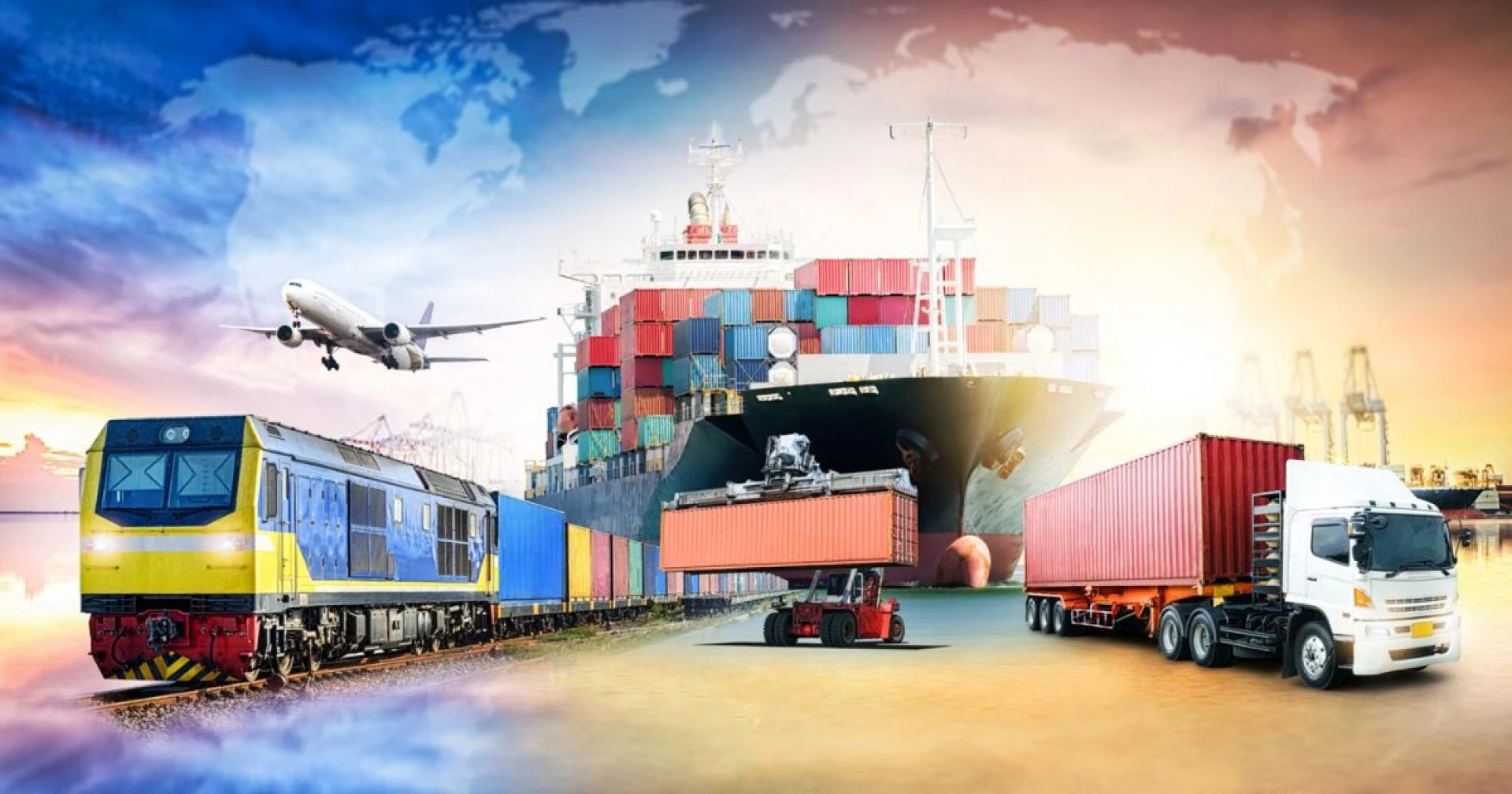
Freight forwarders offer a wide array of transportation and logistics services to meet the diverse needs of their clients. They collaborate with multiple carriers, including airlines, shipping lines, and trucking companies, to arrange the most suitable mode of transport for each shipment. Whether it's air, ocean, rail, or road freight, freight forwarders have the knowledge and network to secure competitive rates, optimize shipping routes, and ensure timely delivery. Additionally, they provide cargo consolidation services, enabling smaller shipments to be combined into cost-effective larger loads, thereby reducing transportation costs and improving efficiency.
3. Warehousing and Distribution Services
In addition to transportation, freight forwarders often offer warehousing and fulfillment services USA to provide end-to-end logistics solutions. They operate strategically located warehouses and distribution centers that serve as temporary storage facilities for goods in transit. These facilities are equipped with modern infrastructure, advanced inventory management systems, and security measures to safeguard the integrity of the cargo. Freight forwarders can also handle order fulfillment, inventory replenishment, and last-mile delivery, streamlining the supply chain and enhancing customer satisfaction.
4. Insurance and Risk Management Services
Freight forwarders understand the importance of mitigating risks associated with international trade. They offer insurance services to protect their clients' cargo against loss, damage, theft, or other unforeseen events during transit. By analyzing the specific requirements and nature of the shipment, freight forwarders can recommend appropriate insurance coverage and assist with the claims process if needed. Their expertise in risk management helps businesses navigate the complexities of global logistics, ensuring the security and reliability of their supply chains.
Conclusion
The freight forwarding industry provides an extensive range of services that are vital to the smooth functioning of international trade. From managing documentation and customs clearance to coordinating transportation, warehousing, and distribution, freight forwarders act as trusted partners, simplifying the complexities of logistics and enabling businesses to focus on their core operations. By leveraging their expertise, global network, and industry knowledge, freight forwarders contribute significantly to the growth and success of businesses engaged in international trade. Whether it's a small shipment or a large-scale operation, partnering with a reliable freight forwarder can streamline supply chains, enhance efficiency, and drive business growth in the global marketplace.




Sign in to leave a comment.