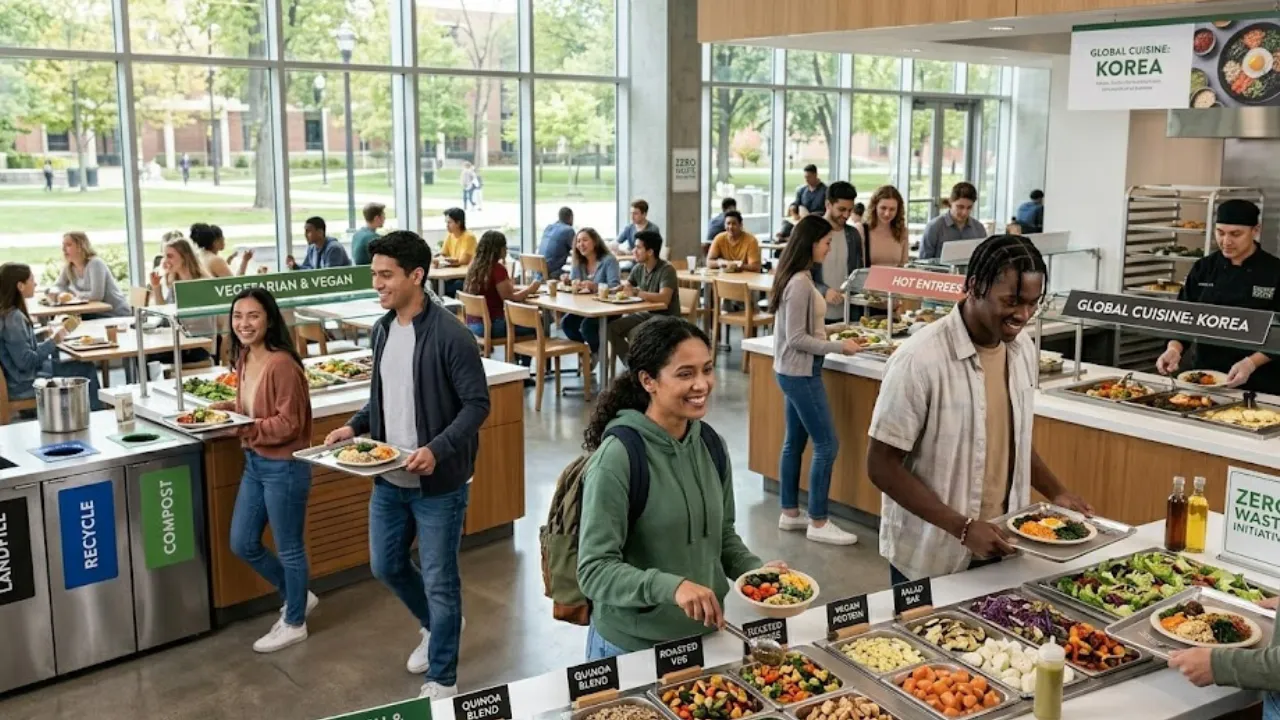

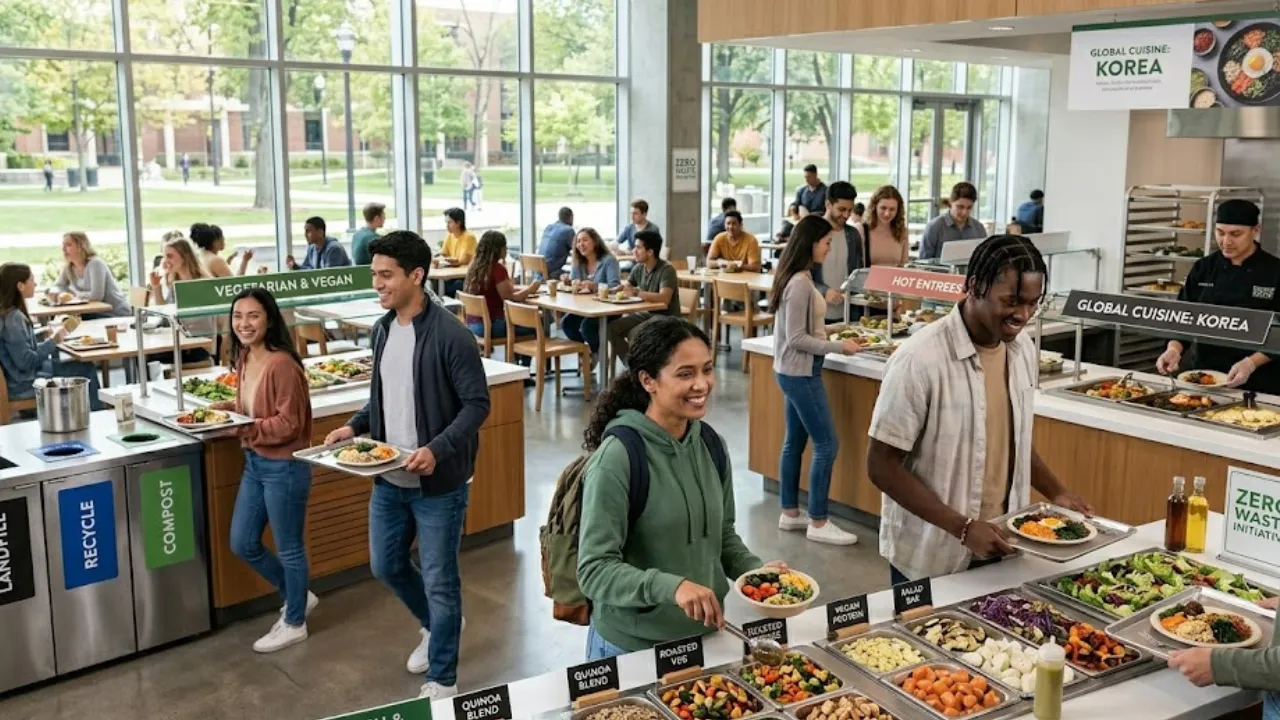
Campus dining has changed significantly over the last few years. Today’s students expect more than just convenient meals between classes. They want dining experiences that reflect their preferences, values, schedules, and health goals.
For universities, meeting those expectations is becoming increasingly challenging. Dining teams must balance food quality, operational efficiency, sustainability goals, rising food costs, and student satisfaction all at the same time.
At the center of this shift is a growing need for smarter campus dining food waste solutions that help universities improve meal planning while delivering a better student experience.
Understanding what students actually want from campus dining is the first step toward building a more effective and sustainable program.
Students Want Fresh Food, Not Excess Food
Students care about freshness more than quantity.
Traditional dining operations often focused on preparing large volumes of food to ensure stations always appeared full. While this approach reduced the risk of running out, it also created significant waste and often lowered food quality during slower meal periods.
Today’s students are more likely to value:
- Freshly prepared meals
- Smaller batch cooking
- Better ingredient quality
- Consistent food freshness
- Rotating menu options
This creates pressure for dining teams to forecast demand more accurately rather than simply overproducing food.
Modern campus dining food waste solutions help universities better understand actual consumption patterns so kitchens can prepare the right amount of food without sacrificing availability.
Students Expect More Menu Variety
Campus populations are more diverse than ever, and student dining preferences continue to evolve quickly.
Students increasingly look for:
- Plant-based options
- International cuisine
- Allergy-friendly meals
- Customizable menu choices
- Health-conscious offerings
At the same time, food trends can change rapidly throughout the semester. Dining programs that rely on static menus may struggle to keep students engaged.
Production tracking and consumption data help dining teams identify which meals perform well and which options consistently generate leftovers. This allows universities to adjust menus based on real student behavior rather than assumptions.
The result is better menu planning with less unnecessary waste.
Sustainability Matters to Students
Sustainability is no longer a secondary concern for many students. It is often a major factor in how they evaluate campus dining programs.
Students increasingly pay attention to:
- Food waste reduction efforts
- Composting initiatives
- Food donation programs
- Sustainable sourcing practices
- Environmental impact reporting
Universities that visibly prioritize sustainability often build stronger engagement and trust with students.
However, sustainability goals require measurable data to be effective.
The food waste solutions give universities the ability to track:
- What food is being wasted
- What is donated
- What is composted
- Which stations create the most leftovers
This data helps campuses improve operational efficiency while also supporting sustainability commitments that students care about.
Students Want Speed and Convenience
Convenience remains one of the biggest priorities in campus dining.
Students often manage packed schedules filled with classes, study sessions, jobs, and extracurricular activities. Long wait times or inconsistent food availability can quickly impact satisfaction.
Dining programs need to provide:
- Fast service
- Reliable meal availability
- Consistent food quality
- Efficient ordering systems
- Flexible dining hours
The challenge is maintaining convenience without increasing waste through overproduction.
Data-driven production planning helps kitchens better align food preparation with actual demand throughout the day. This improves both efficiency and the student experience.
Students Notice Inconsistency
One of the biggest frustrations students experience with campus dining is inconsistency.
A meal that tastes great one day may feel completely different the next. Portion sizes may vary between staff members, and popular items may unexpectedly run out during busy meal periods.
Consistency matters because students rely on campus dining as part of their daily routine.
Accurate production tracking helps universities improve consistency by monitoring:
- Portion sizes
- Consumption trends
- Peak demand periods
- Inventory usage
- Food quality standards
Better visibility allows dining teams to make operational adjustments before problems become recurring issues.
Technology Is Changing Campus Dining Operations
Many universities are now turning to AI-powered kitchen tracking systems to improve both operational efficiency and student satisfaction.
Platforms like Metafoodx help dining teams automatically track food production, consumption, leftovers, and waste in real time.
Before service, prepared dishes can be scanned to record:
- Menu items
- Food weight
- Temperature
- Production quantities
After service, leftover food can be tracked to identify what was consumed, reused, donated, or discarded.
This level of visibility helps dining programs make smarter decisions about future meal planning while reducing unnecessary waste.
Better Dining Starts With Better Data
Students want campus dining programs that are fresh, flexible, sustainable, and consistent.
Meeting those expectations becomes difficult when dining teams rely on estimates instead of accurate operational data.
Campus dining food waste solutions help universities better understand how students actually eat, what they prefer, and where operational inefficiencies exist.
With better data, dining programs can:
- Improve forecasting
- Reduce overproduction
- Serve fresher meals
- Lower food waste
- Support sustainability goals
- Improve the overall student experience
The future of campus dining is not simply about serving more food. It is about serving the right food, in the right quantities, at the right time.
Universities that understand this shift are better positioned to meet student expectations while building more sustainable and efficient dining operations.




























Sign in to leave a comment.