
Introduction
Choosing the right equipment is the first step towards providing a safe yet fun environment for children to play and learn together. Deciding on the right corresponding components as needed, thoughtfully designing, and giving thorough thought. Here are essential tips to ensure you make a successful purchase.
1. Safety First
Safety should always be the top priority. Choosing quality playground equipment in Australia that complies with national safety standards and guidelines is essential. Check for smooth edges, sturdy construction, and non-toxic materials. Regular inspections and maintenance are crucial. Ensure that surfaces are designed to absorb impacts, reducing the risk of injury from falls.
2. Age Appropriateness
Use playground equipment that is appropriate for the age group. Little ones require smaller, simpler builds, while older children may appreciate a slightly more challenging design. Separating by age helps to prevent accidents. This ensures that every child plays without worry or hesitation.
3. Space and Layout
Evaluate the available space carefully. Measure the space so that it has enough room to avoid feeling crowded by equipment. A simple layout that caregivers can see easily works best. Having enough distance between the play equipment enables children to move freely and avoid crashing into one another.
4. Material Considerations
The selection of materials affects durability and maintenance. Metal offers strength and wood provides natural beauty. Plastic is widely used due to its versatility and safety. Consider climate and environmental conditions, as some materials weather better than others. Regular care helps increase the longevity of the equipment.
5. Inclusivity and Accessibility
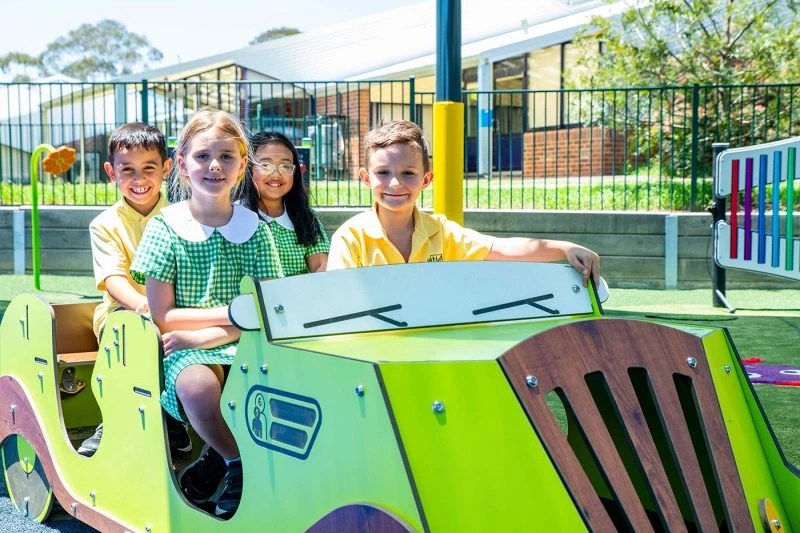
It is also important to have a part of the play area that includes everyone. Choose equipment that is inclusive and can be used by children of all abilities, including those with a disability. Accessibility is supported by ramps, tactile elements, and interactive panels. An inclusive playground creates a play space that welcomes all to play and socialise, allowing for continued social growth.
6. Budget Planning
Budgeting is essential if you want to balance quality with cost. Estimate a realistic budget that takes into account installation and maintenance, in addition to the equipment itself. Although the temptation may be to select the more affordable route, a few higher-end picks will be safer and last longer. Plan for expansion later, in case your needs increase.
7. Aesthetic Appeal
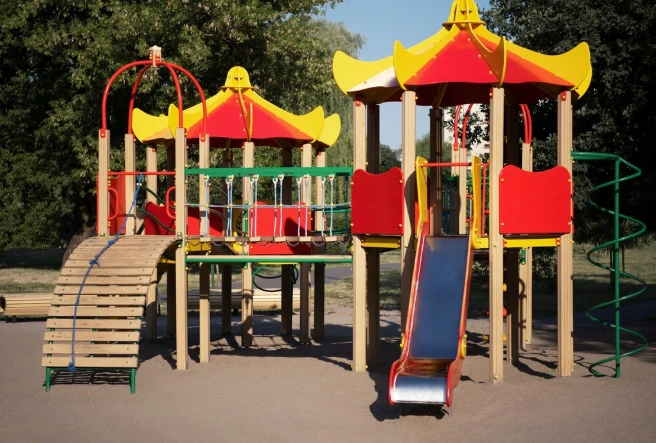
The aesthetics of the playground can help make it visually appealing. Select colours and themes that can inspire children and complement the surrounding environment. An attractive playground draws more interest and can create fond memories for the community.
8. Environmental Impact
Consider the eco-friendliness of the equipment. Seek options that are made from recycled or sustainable materials. Making green choices benefits both the ecosystem and the community. Focusing on sustainability models healthy behaviours for children and fosters good habits.
9. Vendor Reputation
Research potential vendors thoroughly. The right supplier will ensure you receive quality equipment and customer service. Read reviews and talk to other community groups or schools for recommendations. A dependable vendor guarantees hassle-free purchasing and customer support if any problems arise.
10. Installation and Maintenance
Ensure it is installed safely, meets durability standards, and is functional. Proper setup is important so the equipment works effectively for many years. Routine maintenance inspections ensure the equipment remains in great shape, reducing the risk of injury and extending its lifetime. It is vital to formulate a plan to handle maintenance and make repairs as soon as they are needed.
11. Community Involvement
Involve the community in the planning. Parents, teachers, and children can provide useful insights. Including the community creates a sense of ownership and pride. Holding a day to build together as a community can save money and build a sense of connection.
Conclusion
Choosing playground equipment is a thoughtful process, which should acknowledge aspects such as safety, inclusivity, and fun. With age appropriateness, material choices, and community consideration, one can create a play space that children love and the community praises. Well-considered choices provide a lasting playground that children can grow into and enjoy for years to come.


























Sign in to leave a comment.