

The week before moving day is one of the busiest stages of any relocation. This final stretch sets the tone for how smoothly everything will go on the day itself. With the right planning, clear organisation, and consistent preparation, the entire process becomes more manageable. This guide explains the most important tasks to complete during the last seven days and how each step helps create an organised and successful move.
Confirm All Details With Your Moving Team
At the start of the week, it is important to confirm all arrangements with the chosen moving services. This includes the arrival time, parking details, the size of the team, and the type of van being used. By reviewing these details early, unexpected delays can be avoided. Moreover, confirmation helps the moving company prepare for any special requirements, such as heavy items, fragile pieces, or access restrictions.
If parking permits are needed, this is the right time to secure them. Many London streets have controlled parking zones, and arranging this in advance ensures the moving team can park safely and start work without interruption.
Finish Organising Packing Materials
With only a few days left, the focus shifts to gathering and preparing all essential packing materials. Sturdy boxes, bubble wrap, tape, labels, and protective covers play a major role in keeping belongings safe. When the correct materials are available, packing becomes faster, and items stay protected during transit.
Additionally, sorting items based on room and category is helpful. For example, placing kitchen items together or keeping clothes separate saves time later when unpacking. As the week progresses, it becomes more practical to pack a few boxes each day rather than leaving everything until the last minute.
Pack Non-Essentials First
A good way to reduce stress is by packing items that are not used daily. Books, decorations, spare bedding, seasonal clothing, and rarely used kitchen equipment can be boxed early in the week. This approach creates more space, makes the home easier to move around in, and gives a clearer idea of what remains.
Furthermore, labelling boxes is essential. Writing the room name and a short description on each box helps the moving services place everything directly where it belongs in the new property. As a result, the unloading process becomes more organised.
Create a Moving Day Essentials Box
As the week continues, preparing an essentials box becomes a priority. This box should hold everyday items needed immediately on the first day in the new home. Common essentials include toiletries, a change of clothes, chargers, towels, snacks, cleaning wipes, and basic kitchen items such as plates and cutlery.
Keeping these items separate prevents unnecessary searching through multiple boxes later. Additionally, placing this box last in the van ensures it is easy to unpack first.
Clear Out Food and Perishable Items
The week before moving day is the perfect time to start using the remaining food in the fridge and freezer. Frozen items cannot be transported easily, so planning meals in advance helps reduce waste. Dry goods and tins can be packed, while liquids should be sealed tightly to prevent spills.
Another important step is cleaning appliances such as the oven, fridge, and microwave. Clean appliances are safer to transport and more pleasant to set up in the new home.
Prepare Furniture and Electronics
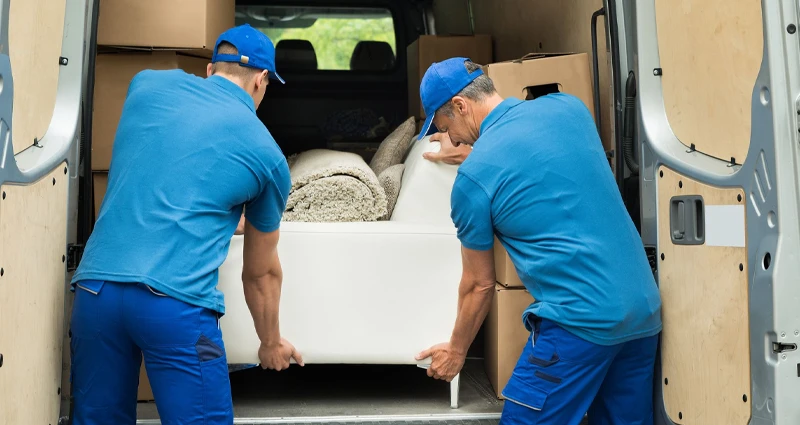
Large furniture pieces may need some preparation before the moving day arrives. Beds, wardrobes, and tables often require dismantling. Doing this during the week saves time and prevents a rushed atmosphere on the actual day. For electronics, it is helpful to take photos of cable setups. This makes reconnecting devices in the new home much easier.
Moreover, protective padding should be placed around delicate furniture edges. When combined with strong packing materials, this step reduces the risk of scratches or damage during transport.
Keep Important Documents Separate
Passports, contracts, property documents, insurance papers, and valuable items should be stored in a secure folder and kept close. Instead of packing these into regular boxes, placing them in a handbag or backpack ensures they remain safe and accessible during the move.
Do a Final Walkthrough
As the week comes to an end, a final walkthrough of the home helps identify anything still left to pack. Checking cupboards, storage rooms, drawers, and high shelves prevents items from being forgotten. During this stage, rubbish can be cleared, recycling can be organised, and the home can be prepared for handover.
In summary, the week before moving day involves confirming arrangements with moving services, organising packing materials, packing non-essential items, preparing an essentials box, planning food use, securing important documents, and completing a final walkthrough. These steps create an organised, efficient, and well-prepared move for any household.






























Sign in to leave a comment.