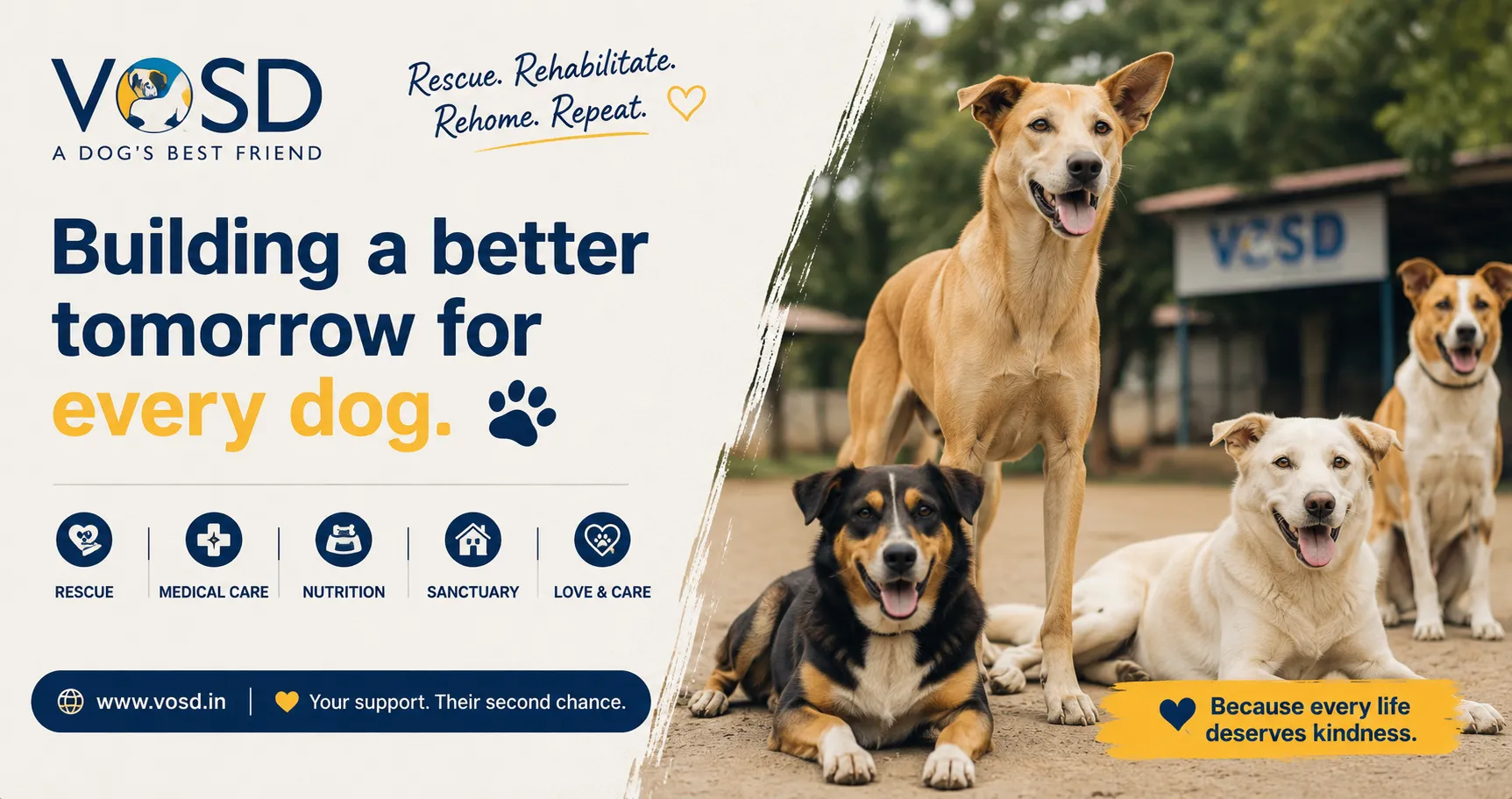

Finding a stray, injured, or abandoned dog can be an overwhelming experience. Many people want to help but are unsure what steps to take, particularly when the animal is frightened, sick, injured, or unable to survive safely on the streets. A calm and responsible response can make a significant difference while ensuring that the animal and the people helping it remain safe.
Assess the Situation First
Before approaching a dog, observe its condition from a safe distance. Look for visible injuries, difficulty walking, signs of illness, extreme weakness, or unusual behavior. A frightened or injured animal may react defensively even when it normally has a gentle temperament.
Avoid forcing physical contact with an unfamiliar dog. Instead, keep a safe distance and contact an experienced animal rescue organization or veterinary professional when the situation appears serious.
Providing Immediate Assistance
If the dog appears calm and approachable, providing clean drinking water can be a useful first step. Appropriate food may also help an animal that appears hungry, although severely injured or sick dogs may require professional assessment before receiving certain types of food.
When possible, keep the animal away from traffic and other immediate dangers without putting yourself at risk. Take note of the location so rescuers can find the dog easily.
Why Professional Rescue Support Matters
Some dogs need more than temporary assistance. Animals suffering from serious injuries, chronic illnesses, behavioral problems, or abandonment may require veterinary treatment, rehabilitation, and long-term shelter.
Organizations dedicated to animal welfare can coordinate different aspects of care, including rescue, medical attention, rehabilitation, and permanent sanctuary support. VOSD is one organization working to provide long-term care for stray, abandoned, and surrendered dogs.
When a Dog Cannot Return to the Streets
In certain circumstances, returning a rescued dog to its previous environment may not be practical or safe. A dog with serious medical needs, severe behavioral difficulties, or no suitable caregiver may require a permanent care arrangement.
People who are responsible for a dog but can no longer provide appropriate care should understand that surrender is a serious decision. It should be approached carefully, with complete information about the dog's health, behavior, history, and circumstances.
Organizations with structured intake processes may have specific requirements before accepting an animal. If you are considering this option, review VOSD's dog surrender information to understand the process and requirements before taking further steps.
Helping Stray Dogs in Your Community
Animal welfare is not limited to emergency rescue. Communities can also help by providing safe access to water, supporting responsible feeding, reporting injured animals, promoting vaccination and sterilization, and treating street animals with compassion.
Supporting established animal welfare organizations can also help provide resources for dogs that need specialized or long-term care. Donations, volunteering, and responsible community action can all contribute to better outcomes for vulnerable animals.
A Responsible Approach Can Save Lives
When an abandoned or injured dog needs help, the most important thing is to respond safely and responsibly. Assess the situation, avoid unnecessary risks, seek professional assistance when required, and provide accurate information to rescuers.
With cooperation between communities, veterinary professionals, volunteers, and animal welfare organizations, more dogs can receive the care they need. Even a single responsible action can become an important step toward giving a vulnerable animal a safer and more compassionate future.


























Sign in to leave a comment.