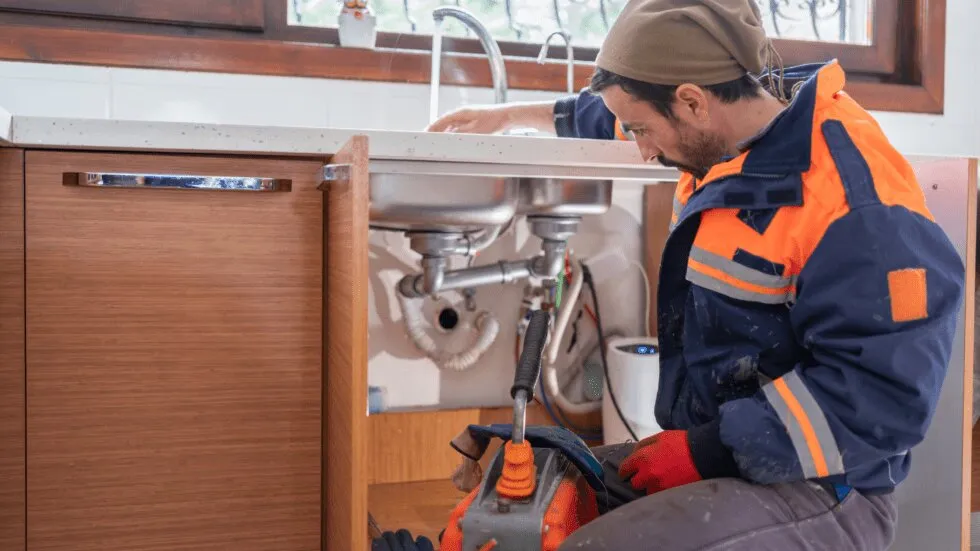

A drain that suddenly stops working can quickly become a frustrating problem. Water may collect in a sink, bathtub, shower, or floor drain instead of flowing away normally. In some cases, the problem is a simple blockage that can be cleared with basic steps. In other situations, a sudden drain failure may point to a deeper plumbing problem.
Knowing what to do when a drain stops working can help prevent additional damage. It can also help you decide when a problem requires professional attention. Acting quickly is especially important when water starts backing up or multiple drains are affected.
For homeowners dealing with a serious Clogged Drain Dallas residents can take several practical steps before professional help arrives.
Why Does a Drain Suddenly Stop Working?
Drains can stop working for many different reasons. Most problems develop because materials slowly collect inside the pipe and restrict water flow. However, some blockages happen suddenly when a large object enters the drain or an existing buildup becomes severe.
Common causes include:
- Hair buildup
- Food particles
- Grease and cooking oil
- Soap residue
- Mineral deposits
- Foreign objects
- Tree roots
- Damaged pipes
- Heavy debris
- Main sewer line blockages
Identifying the possible cause can help you choose the right response.
Step 1: Stop Adding More Water
When a drain stops working, the first thing you should do is stop using the affected fixture.
For example, if your kitchen sink is completely blocked, avoid running the faucet. If your bathtub is not draining, do not continue taking showers until the problem has been checked.
Adding more water to a blocked pipe can cause:
- Overflowing
- Standing water
- Water damage
- Unpleasant odors
- Wastewater backups
If several fixtures are affected, reduce water use throughout the home until the cause is understood.
Step 2: Check Whether Other Drains Are Working
One of the most useful things you can do is check other drains in the house.
If only one fixture is affected, the blockage may be close to that fixture.
However, if you notice problems with several fixtures at once, the problem could be farther down the drainage system.
Check:
- Kitchen sinks
- Bathroom sinks
- Showers
- Bathtubs
- Toilets
- Floor drains
Multiple slow or blocked drains can sometimes indicate a main drain or sewer line problem.
Step 3: Look for Visible Blockages
If the affected drain has a visible opening, carefully check whether you can see obvious debris near the surface.
Hair, food, soap residue, and other materials can sometimes collect near the drain opening.
A drain cover or strainer may also contain a large amount of debris.
You can remove visible material using gloves and dispose of it properly.
Avoid pushing debris farther into the pipe because this can make the blockage harder to remove.
Step 4: Try a Plunger
A plunger may help with some simple drain blockages.
For the best results, make sure there is enough water around the plunger cup to create a seal. Position the plunger over the drain opening and use controlled up-and-down movements.
After several attempts, check whether the water begins to drain.
Different fixtures may require different types of plungers, so use an appropriate plunger for the fixture.
Do not continue plunging aggressively if:
- Water starts coming from another drain
- Several fixtures are backing up
- Wastewater is entering the home
- The blockage does not improve
These signs may indicate a deeper plumbing problem.
Step 5: Clean the Drain Stopper or Strainer
Bathroom sinks and tubs often collect hair and soap around the stopper.
Kitchen sinks can collect food particles and grease around strainers and nearby components.
Remove the stopper or strainer if it can be safely removed and clean away visible buildup.
This simple step can sometimes restore normal drainage when the blockage is close to the fixture.
Step 6: Avoid Harsh Chemical Drain Cleaners
Chemical drain cleaners are widely available, but they are not always the best solution for a blocked drain.
A chemical product may not reach or remove a deep blockage. Some products can also create safety concerns if a professional later needs to work on the pipe.
Avoid mixing different drain-cleaning chemicals. Chemical reactions can create dangerous fumes or other hazards.
For a serious or recurring blockage, professional diagnosis is usually a better approach than repeatedly using chemical products.
Step 7: Check the Toilet if It Is Also Affected
If your toilet is overflowing or draining slowly at the same time as another fixture, pay attention to the pattern.
For example, if flushing the toilet causes water to rise in a bathtub or floor drain, there may be a blockage farther down the drainage system.
Do not continue flushing the toilet to test it.
Repeated flushing can add more water to an already restricted system and increase the chance of an overflow.
Signs the Problem May Be More Serious
A drain that suddenly stops working does not always mean there is a simple clog.
Watch for these warning signs:
Multiple Drains Stop Working
If several fixtures stop draining around the same time, the issue may be located deeper in the plumbing system.
Water Backs Up Into Another Fixture
If using one fixture causes water to rise in another, there may be a blockage in a shared drainage line.
Sewage Odor Appears
A strong sewage smell can indicate that wastewater is not moving through the plumbing correctly.
Drains Make Gurgling Sounds
Gurgling can occur when air and water struggle to move through a restricted pipe.
The Problem Keeps Returning
A drain that repeatedly becomes blocked may have an underlying issue that basic cleaning does not address.
Wastewater Enters the Home
Wastewater backing up through a floor drain, bathtub, or other fixture should be treated as a serious plumbing problem.
When Should You Call a Professional?
Some minor clogs can be handled with simple methods, but professional assistance may be necessary when the problem is severe or recurring.
Consider calling a professional if:
- The drain is completely blocked.
- Multiple drains are affected.
- A toilet repeatedly overflows.
- Wastewater is backing up.
- You smell sewage.
- A plunger does not work.
- The clog returns soon after cleaning.
- You suspect a damaged pipe.
- Tree roots may be affecting an underground line.
- You hear unusual sounds from several drains.
A professional can inspect the drainage system and determine whether the problem is limited to one fixture or involves a larger section of plumbing.
Common Reasons a Drain Keeps Getting Clogged
If your drain repeatedly stops working, simply clearing it each time may not solve the real problem.
Hair and Soap Buildup
Bathroom drains commonly collect hair mixed with soap residue. Over time, this material can form a dense blockage.
Grease and Oil
Grease can stick to the inside of kitchen pipes. Additional food particles may attach to the greasy surface, gradually restricting water flow.
Food Waste
Large amounts of food waste can contribute to kitchen drain problems, especially when a sink is not designed to handle certain materials.
Mineral Deposits
Hard water can contribute to mineral buildup inside pipes. Over time, this can reduce the opening available for water to pass through.
Tree Roots
Underground tree roots can enter damaged or poorly sealed pipes. As roots grow, they can restrict or block wastewater flow.
Pipe Damage
Cracked, collapsed, or misaligned pipes can interfere with normal drainage and may require repair rather than simple cleaning.
What to Do if a Floor Drain Starts Backing Up
Floor drains are often located at low points in a home, basement, garage, or utility area. When a larger drainage line becomes blocked, wastewater may sometimes rise through these drains.
If this happens:
- Stop using water throughout the home.
- Keep children and pets away from the affected area.
- Avoid direct contact with wastewater.
- Do not pour chemical cleaners into the drain.
- Move valuable items away if it is safe.
- Contact a qualified plumbing professional.
If the water appears contaminated, use appropriate precautions and avoid unnecessary contact.
How Professionals Find the Cause of a Blocked Drain
Professional drain cleaning involves more than simply putting a tool into the pipe.
A technician may first ask questions about the symptoms and inspect the affected fixtures.
Depending on the situation, professionals may use different methods.
Drain Snaking
A drain auger can be used to break through or remove certain blockages.
Hydro Jetting
Hydro jetting uses high-pressure water to clean appropriate plumbing lines and remove certain types of buildup.
Camera Inspection
A small plumbing camera can help professionals see the inside of a drain or sewer pipe.
A camera inspection may reveal:
- Tree roots
- Cracks
- Pipe separation
- Heavy buildup
- Foreign objects
- Structural damage
The right method depends on the type and location of the problem.
How to Prevent Sudden Drain Problems
Preventive care can reduce the risk of unexpected blockages.
Use Drain Screens
Install screens over shower and sink drains to catch hair and debris.
Dispose of Grease Properly
Do not pour cooking grease or oil directly down the kitchen sink.
Be Careful What You Flush
Only flush appropriate toilet paper and human waste. Avoid flushing wipes and other unsuitable materials unless the plumbing professional specifically recommends them.
Clean Drain Openings Regularly
Removing visible hair and debris can prevent buildup near the opening.
Watch for Slow Drains
A slow drain is often an early warning sign. Do not wait until the pipe becomes completely blocked.
Schedule Maintenance for Recurring Problems
If your home experiences frequent blockages, professional inspection may help identify an underlying cause.
Why Ignoring a Blocked Drain Can Be Expensive
It may be tempting to ignore a slow or blocked drain if the problem seems to disappear temporarily.
However, recurring drainage problems can sometimes become more serious.
A neglected blockage may contribute to:
- Overflowing fixtures
- Water damage
- Unpleasant odors
- Sanitation concerns
- Pipe stress
- Larger plumbing repairs
Addressing a drainage problem early can help prevent a minor issue from becoming a major plumbing emergency.
Final Thoughts
When a drain suddenly stops working, do not panic. Start by stopping water use and checking whether other fixtures are affected. Remove visible debris when possible and try a suitable plunger for a simple blockage.
However, avoid repeatedly using chemical cleaners or forcing tools into the plumbing without understanding the problem. If multiple drains are blocked, wastewater is backing up, sewage odors are present, or the problem keeps returning, professional inspection is the safer option.
A blocked drain can sometimes be a simple household issue, but it can also be a warning sign of a deeper drainage or sewer problem. Paying attention to the warning signs and responding quickly can help protect your home, reduce potential damage, and keep your plumbing system working properly.



















Sign in to leave a comment.