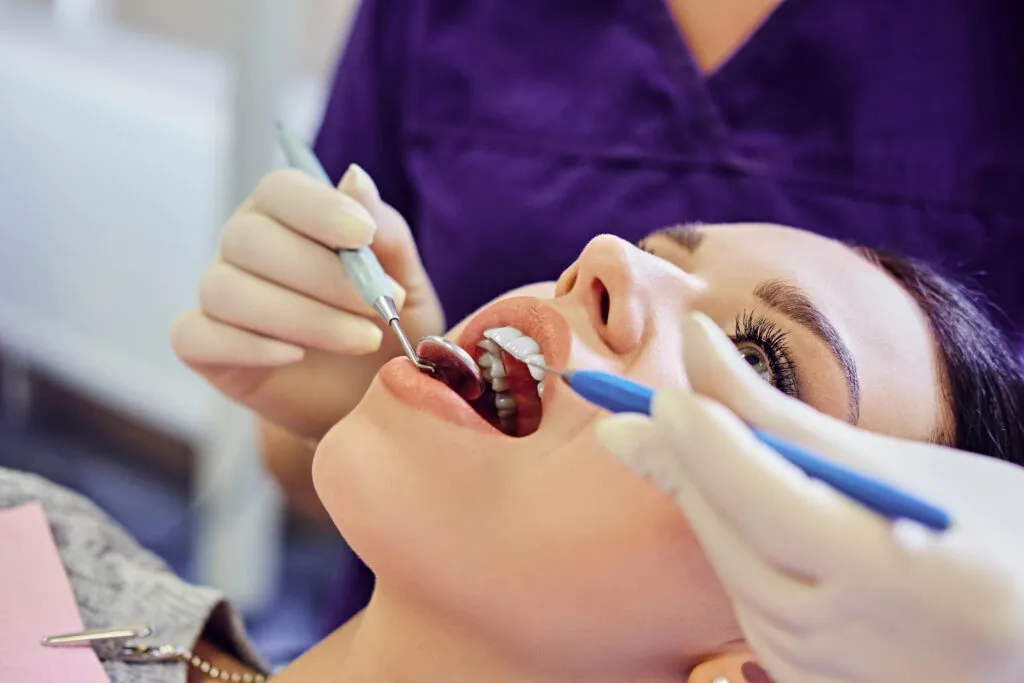

A missing tooth can make eating, speaking, and smiling less comfortable. A dental bridge is one common restorative option that can fill the gap and help restore the function and appearance of your smile. If you are considering this treatment, understanding what happens during a dental bridge procedure can help you feel more prepared.
Although the exact process can vary depending on the type of bridge and your individual oral health, treatment generally involves an examination, preparation of the supporting teeth, impressions or digital scans, fabrication of the bridge, and final placement.
Initial Consultation and Examination
The first step is a consultation with your dentist. Your dentist will examine the missing-tooth area and evaluate the condition of the surrounding teeth and gums. X-rays or other diagnostic images may be taken to assess the underlying structures and supporting teeth.
Your dentist will also discuss your treatment goals and determine whether a dental bridge is appropriate. Depending on your situation, other options such as dental implants or partial dentures may also be discussed.
Preparing the Supporting Teeth
For a traditional dental bridge, the teeth next to the missing tooth are generally prepared to support the restoration. This involves carefully reshaping a small amount of enamel so that dental crowns can fit over the supporting teeth.
Local anesthesia is typically used during this part of the procedure to help keep you comfortable. The amount of tooth preparation depends on the type of bridge and the condition of the supporting teeth.
Taking Impressions or Digital Scans
After the supporting teeth have been prepared, your dentist will create a detailed model of your teeth. This may be done using traditional dental impressions or modern digital scanning technology.
These records help the dental laboratory create a bridge that fits properly with your surrounding teeth and bite. Your dentist will also consider the shape, size, and shade needed to create a natural-looking restoration.
Temporary Bridge
Depending on your treatment plan and the type of restoration being made, you may receive a temporary bridge while your permanent bridge is being fabricated.
The temporary restoration protects the prepared teeth and helps you maintain normal oral function during the waiting period. Your dentist may recommend avoiding particularly hard or sticky foods that could loosen or damage the temporary bridge.
Placement of the Permanent Bridge
Once your permanent bridge is ready, you will return to the dental office for placement. Your dentist will carefully check its fit, appearance, bite, and overall function.
If adjustments are needed, they can be made before the bridge is permanently secured. Once your dentist is satisfied with the fit, the bridge is bonded or cemented into place using appropriate dental materials.
The goal is to create a stable restoration that looks natural and allows you to use your teeth comfortably.
What Happens After the Procedure?
Some patients may experience mild sensitivity or gum tenderness after the procedure, particularly around the prepared teeth. This generally improves as your mouth adjusts to the restoration. Your dentist will provide specific instructions based on your treatment.
Maintaining good oral hygiene is essential. Brush twice daily with fluoride toothpaste and clean around and beneath the bridge as recommended. Floss threaders or interdental cleaning tools may help reach areas underneath the artificial tooth.
Regular dental checkups are also important. Your dentist can monitor the bridge, supporting teeth, and surrounding gums and identify potential concerns early.
How Long Does a Dental Bridge Last?
The lifespan of a dental bridge varies depending on factors such as oral hygiene, bite forces, supporting teeth, diet, and professional dental care. With appropriate maintenance, many bridges can last for years.
Avoid habits such as chewing ice, biting hard objects, or using your teeth to open packages, as these can place unnecessary stress on the restoration.
Restore Your Smile With Art Family Dental
Understanding the dental bridge procedure can make the treatment process easier to approach. From the initial examination and preparation to the final placement and aftercare, your dentist will guide you through each stage.
Art Family Dental can evaluate your missing tooth and discuss whether a dental bridge is suitable for your oral health needs. A personalized consultation can help you understand your treatment options and take the next step toward restoring your smile and dental function.



























Sign in to leave a comment.