

When a dental emergency happens, it often feels like it comes out of nowhere. A sudden toothache, a chipped tooth during lunch, or a filling that unexpectedly falls out can turn an ordinary day into a stressful one. In those moments, knowing what to expect during Emergency Dental Care Houston can help you feel more prepared and less anxious.
Many patients are unsure about what actually happens at an emergency dental visit. Will the dentist be able to help right away? How long will it take? Is it similar to a regular appointment, or is it completely different? If you’ve ever wondered about these things, this guide will walk you through what generally happens during emergency dental treatment, from the first phone call to follow-up care.
Why People Seek Emergency Dental Care
Dental emergencies can mean different things for different people. For some, it’s sudden and severe pain that won’t go away. For others, it’s visible damage to a tooth or bleeding that seems unusual. Common reasons patients look for emergency dental treatment include:
- Sudden or severe toothaches
- Broken or chipped teeth
- Knocked-out teeth from accidents
- Swelling, abscesses, or signs of infection
- Lost crowns, fillings, or bridges
- Gum or soft tissue injuries
Understanding what counts as a dental emergency can help you decide when to call for care right away instead of waiting for a routine appointment.
First Step: Reaching Out to the Clinic
The process typically starts with a call to your chosen dental provider. Most clinics will ask about your symptoms, how long you’ve had them, and whether you’re experiencing pain, bleeding, or swelling. This helps the team decide how urgently you need to be seen.
If you call after hours, many clinics have instructions on their voicemail or website that explain how to reach an on-call dentist. Some also offer same-day scheduling, which can be helpful when the situation feels urgent.
Patients who have already identified a reliable clinic—such as one that offers Emergency dental care Tanglewood—often find the process smoother because they know exactly where to call and what to expect.
What Happens When You Arrive
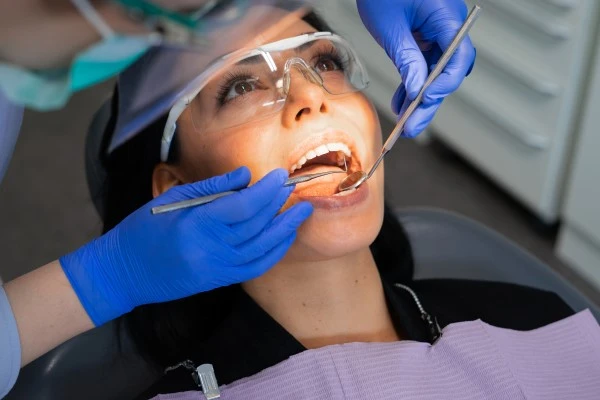
Once you get to the clinic, the focus shifts to understanding and relieving the problem. While every dental office has its own approach, most emergency visits include the following steps:
- Quick Check-In
- Staff will confirm your information and the reason for your visit. Since it’s urgent, the paperwork is usually brief so treatment can begin sooner.
- Assessment of Symptoms
- The dentist or assistant will ask about what you’re feeling. Details like when the issue started, whether it’s getting worse, and what triggers the discomfort can help with diagnosis.
- Diagnostic Tools
- X-rays or scans may be taken to see what’s happening beneath the surface. For example, pain might come from a small crack in a tooth or an infection that isn’t visible.
- Discussion of Options
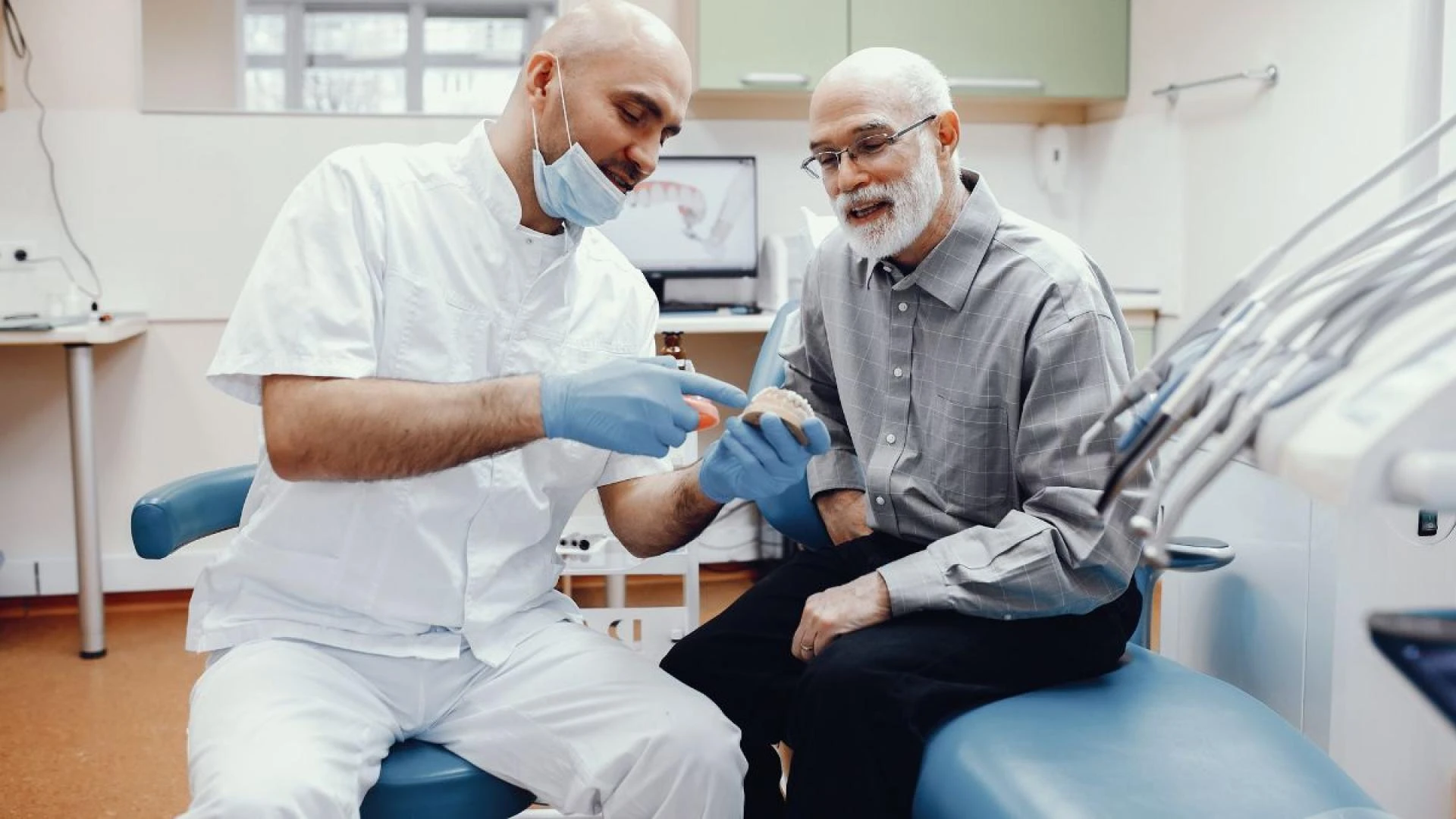
- Once the problem is identified, the dentist will explain the possible solutions. Depending on the situation, treatment might be done right away, or a temporary fix may be used until a longer procedure can be scheduled.
- Treatment for Immediate Relief
- The main goal during an emergency visit is to reduce discomfort and prevent the issue from getting worse. This might involve repairing damage, securing a loose crown, or starting treatment for an infection.
Read More - Treatment for Exposed Nerve in Tooth
Types of Emergency Treatments You Might Receive
The exact treatment depends on the issue, but common procedures during emergency dental visits include:
- Temporary or Permanent Fillings: If a filling has fallen out or a cavity is causing pain, a replacement may be placed right away.
- Crown or Bridge Repair: Loose or broken dental work can often be adjusted or re-cemented.
- Tooth Bonding: Small chips or cracks can sometimes be repaired with composite material.
- Root Canal Therapy: If pain is caused by infection deep in the tooth, beginning a root canal may be the next step.
- Extraction: In cases where a tooth cannot be saved, removal may be necessary.
- Treatment for Soft Tissue Injuries: Cuts inside the mouth or damage to the gums can be cleaned and treated to prevent further irritation.
Patients visiting a west u emergency dentist or other Houston-area providers often find that many clinics are prepared to handle a wide range of these urgent needs.
How Long Does Emergency Dental Care Take?
The time spent in the chair depends on the complexity of the problem. Some issues, like securing a crown, can be handled in under an hour. Others, like beginning root canal therapy, may take longer.
In many cases, the goal of the first appointment is to stabilize the situation—reducing discomfort and preventing further damage—so that a follow-up appointment can focus on long-term treatment.
Pain Management During Emergency Visits
Many patients worry about how much discomfort they’ll feel during urgent treatment. Dentists typically use methods that may reduce pain or discomfort while they work. This can range from local numbing to other options depending on the situation and patient needs.
Discussing your concerns openly with the dentist is important. Many patients find that communication helps them feel more comfortable, especially when they’re nervous about urgent procedures.
What Happens After Treatment
Once immediate care is given, the dentist will talk with you about next steps. This may include:
- Scheduling a follow-up visit for permanent treatment
- Instructions for caring for the treated area at home
- Guidance on eating, brushing, or flossing after the procedure
- Signs to watch for that may require another call
Clinics that provide comprehensive services, like an Emergency Dental Clinic Houston, often emphasize clear instructions so patients know exactly what to do once they leave the office.
How to Prepare for Future Dental Emergencies
While not all emergencies can be prevented, being prepared can make them easier to manage. A few tips include:
- Have a Trusted Clinic Chosen in Advance
- Research providers in your area before you need them. Save their contact information in your phone.
- Use a Mouthguard During Sports
- Many dental injuries come from physical activities. Mouthguards can help protect teeth during contact sports.
- Don’t Ignore Early Symptoms
- Small discomforts can sometimes grow into bigger problems if left untreated. Scheduling a checkup when something feels off may prevent emergencies later.
- Keep a Small Dental First Aid Kit
- Items like gauze, a small container, and over-the-counter pain relief can be useful while waiting to see a dentist.
Benefits of Understanding the Process
Knowing what to expect during an emergency visit helps reduce anxiety. Many patients find they feel calmer once they realize the steps are straightforward and focused on relief.
From the initial phone call to follow-up care, the process is designed to address the urgent problem first and then plan for longer-term solutions. Whether it’s a broken filling or sudden swelling, emergency dental teams are there to respond quickly.
Read More - Emergency Dentist Near Me
Final Thoughts
Dental emergencies are never convenient, but knowing what to expect during treatment can make them less overwhelming. From the moment you call to the time you leave the office, the process is focused on identifying the problem, addressing urgent needs, and planning next steps for lasting care.
Whether you’re dealing with a sudden toothache, a chipped tooth, or another urgent issue, understanding the process can help you approach the situation with more confidence.
Frequently Asked Questions
1. What qualifies as a dental emergency?
Situations like severe pain, bleeding, broken teeth, or sudden swelling often qualify as emergencies. If you’re unsure, calling a dentist for guidance is the best step.
2. Do emergency dentists handle routine care too?
Yes, many emergency providers also offer routine checkups and cleanings. Some patients even continue with the same dentist after their first urgent visit.
3. Can I walk in without an appointment?
Some clinics accept walk-ins, but calling ahead can help ensure quicker treatment since the staff can prepare for your arrival.
4. Will I get permanent treatment during my emergency visit?
It depends on the issue. Some problems can be fully treated right away, while others may require temporary measures followed by a scheduled procedure.
5. How can I ease discomfort while waiting for an appointment?
Using a cold compress, rinsing with warm salt water, or taking over-the-counter pain relief may help temporarily. However, these are short-term steps until a dentist can evaluate the problem.
Disclaimer: This article is for informational purposes only and does not constitute medical advice. Always consult a licensed healthcare provider for personalized treatment recommendations.





























Sign in to leave a comment.