
When faced with gastrointestinal discomfort, numerous individuals seek the expertise of healthcare professionals to investigate potential underlying issues. One of the most effective diagnostic tools available today is the camera down the throat in Manchester, also known as an upper gastrointestinal endoscopy. In Manchester, this procedure has become a common practice, providing patients with vital insights into their digestive health. This article aims to unravel what one can expect during this procedure, addressing common concerns, procedural steps, recovery, and the overall importance of this diagnostic tool.
Understanding the Camera Down the Throat Procedure
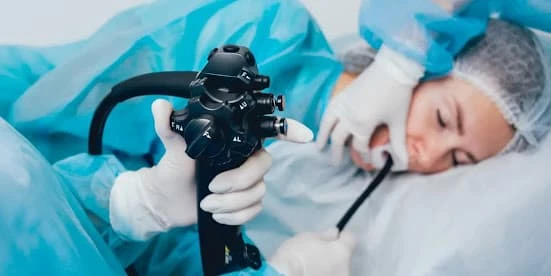
An endoscopy involves the insertion of a flexible tube equipped with a camera, known as an endoscope, through the mouth and down the esophagus. This medical procedure allows specialists to visualize the lining of the esophagus, stomach, and the initial part of the small intestine. The main goal is to identify any abnormalities such as inflammation, ulcers, or tumors. Patients in Manchester have increasingly turned to this technique for its minimally invasive nature and the wealth of information it provides.
Prior to the procedure, patients typically undergo a comprehensive consultation with their healthcare provider. This step is crucial as it allows the physician to review the patient’s medical history, current symptoms, and any medications that could impact the procedure. This discussion also serves as an opportunity for patients to voice any concerns or questions they may have, ensuring they feel comfortable and informed before proceeding.
Preparation for the Procedure
Preparation is a vital component of the camera down the throat process. Patients are often required to fast for a period ranging from six to eight hours before the procedure. This ensures that the stomach is empty, allowing for a clearer view during the endoscopy. In some cases, patients may be advised to adjust or temporarily stop certain medications, particularly blood thinners or those that can affect digestion.
Additionally, some clinics in Manchester may provide specific guidelines regarding dietary restrictions or the use of sedatives. The sedation protocol can vary, with many patients receiving a mild sedative to help them relax during the procedure. Understanding these preparatory steps can significantly alleviate anxiety and set the stage for a smoother experience.
The Procedure: What Happens During an Endoscopy
On the day of the procedure, patients are typically greeted by a team of healthcare professionals who will guide them through each step. After checking in, patients are often escorted to a private room where they can change into a hospital gown. Once prepared, the medical team will start an intravenous (IV) line to administer sedation or anesthesia.
As the procedure begins, patients may feel drowsy, which is a normal part of the sedation process. The endoscope, a thin, flexible tube, will then be gently inserted through the mouth and guided down the throat. For many patients, this part of the procedure can be uncomfortable, but it should not be painful. The endoscope is equipped with a camera that transmits images to a monitor, allowing the physician to closely examine the digestive tract.
Throughout the procedure, patients are monitored closely for any adverse reactions. The duration of the endoscopy typically ranges from 15 to 30 minutes, although this can vary based on individual circumstances and findings. After the examination, the physician may take biopsies or perform minor therapeutic interventions if necessary, such as removing polyps or cauterizing bleeding areas.
Recovery and Aftercare
Following the camera down the throat procedure, patients are moved to a recovery area where they can rest as the sedation wears off. It is common for patients to feel groggy or disoriented for a short period, and therefore, having someone accompany them is highly recommended. This ensures safety when leaving the facility, as operating a vehicle is not advisable immediately after sedation.
Once fully awake, the healthcare team will provide instructions regarding post-procedure care. Patients may experience a sore throat or mild discomfort, which typically subsides within a day or two. It is crucial to follow any dietary recommendations, as some may need to start with clear liquids before gradually reintroducing solid foods.
Moreover, patients should be aware of potential symptoms that may indicate complications, such as severe abdominal pain, fever, or difficulty swallowing. In any such cases, contacting a healthcare provider promptly is essential to address any concerns.
The Importance of Endoscopy in Diagnostic Medicine
The camera down the throat procedure is invaluable in diagnosing a variety of gastrointestinal conditions. In Manchester, healthcare providers emphasize the importance of early detection and intervention. Conditions such as gastroesophageal reflux disease (GERD), Barrett’s esophagus, and even stomach cancer can be identified through this procedure, paving the way for timely treatment and improved patient outcomes.
Moreover, the procedure not only assists in diagnosing ailments but also plays a significant role in therapeutic interventions. The ability to remove polyps, dilate strictures, or treat bleeding lesions directly during the endoscopy enhances its value as a multifaceted diagnostic and therapeutic tool.
Patients often report feeling a sense of relief after undergoing this procedure, especially when they receive clear answers regarding their symptoms. The knowledge gained through endoscopy empowers individuals to take charge of their health, making informed decisions about their treatment options.
Conclusion
In conclusion, the camera down the throat procedure is a vital diagnostic tool for individuals experiencing gastrointestinal issues. Through careful preparation, patient-centered care, and skilled execution, this procedure offers invaluable insights into one’s digestive health. For residents of Manchester seeking clarity and peace of mind regarding their symptoms, the endoscopy process stands as a beacon of hope for effective diagnosis and treatment.
If you are considering an endoscopy or have questions about gastrointestinal health, Endocare Diagnostics is here to assist you. Our team of dedicated professionals is committed to providing the highest standard of care. Don't hesitate to reach out and take the first step towards your health today!











Sign in to leave a comment.