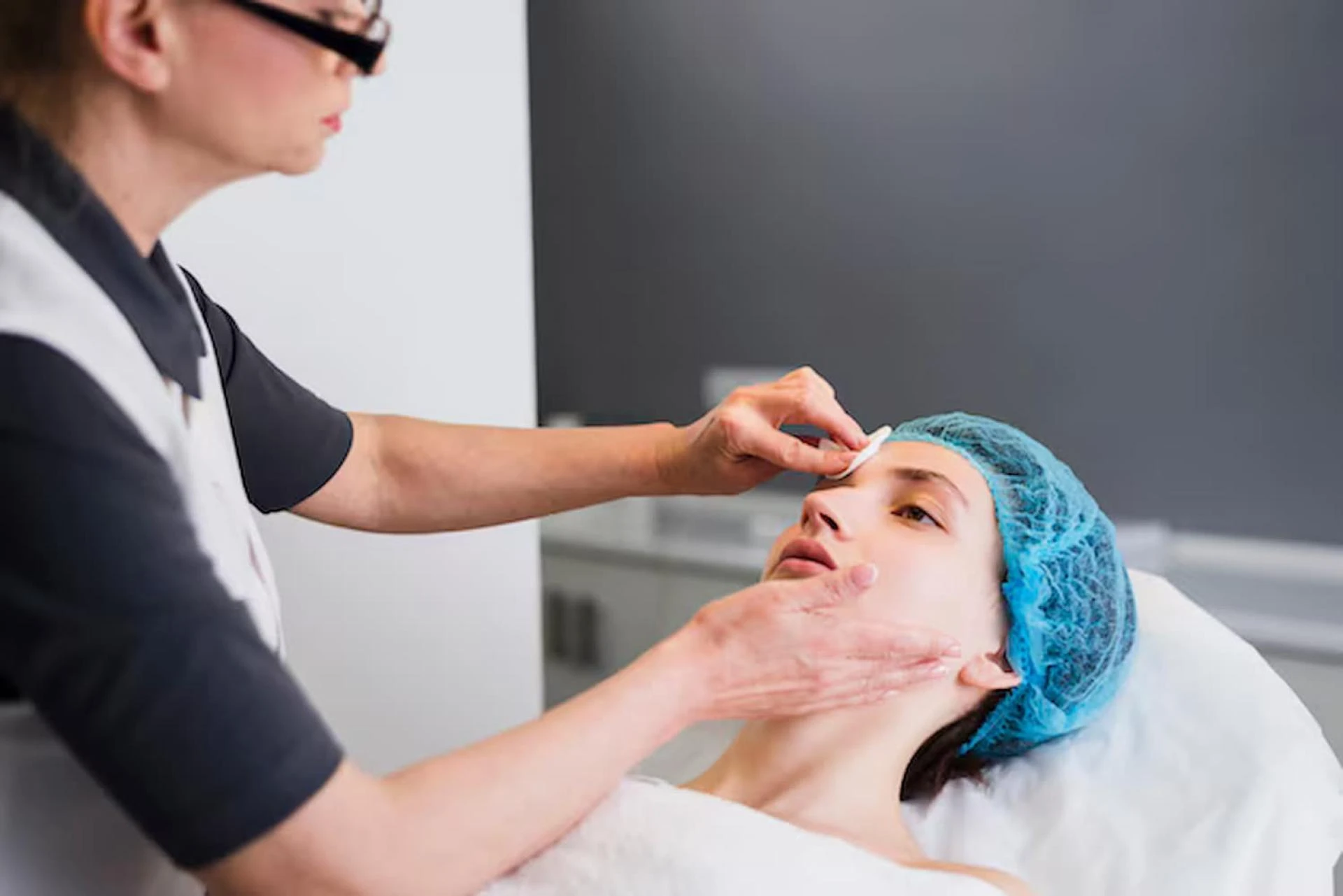

Uneven skin tone, dark spots, and other pigmentation concerns are common issues that affect many individuals. Visiting a pigmentation clinic bristol provides a professional pathway to assess and treat these conditions safely. A consultation is the first step toward understanding skin needs, available treatment options, and expected outcomes. Clinics focus on individualized assessment to ensure the best results. Patients can gain clarity about the causes of pigmentation, suitable procedures, and realistic expectations. Being informed about the consultation process helps individuals feel confident and prepared. This guide outlines what typically occurs during a professional pigmentation consultation and why it is an essential part of skin care.
Initial Assessment of Skin Concerns
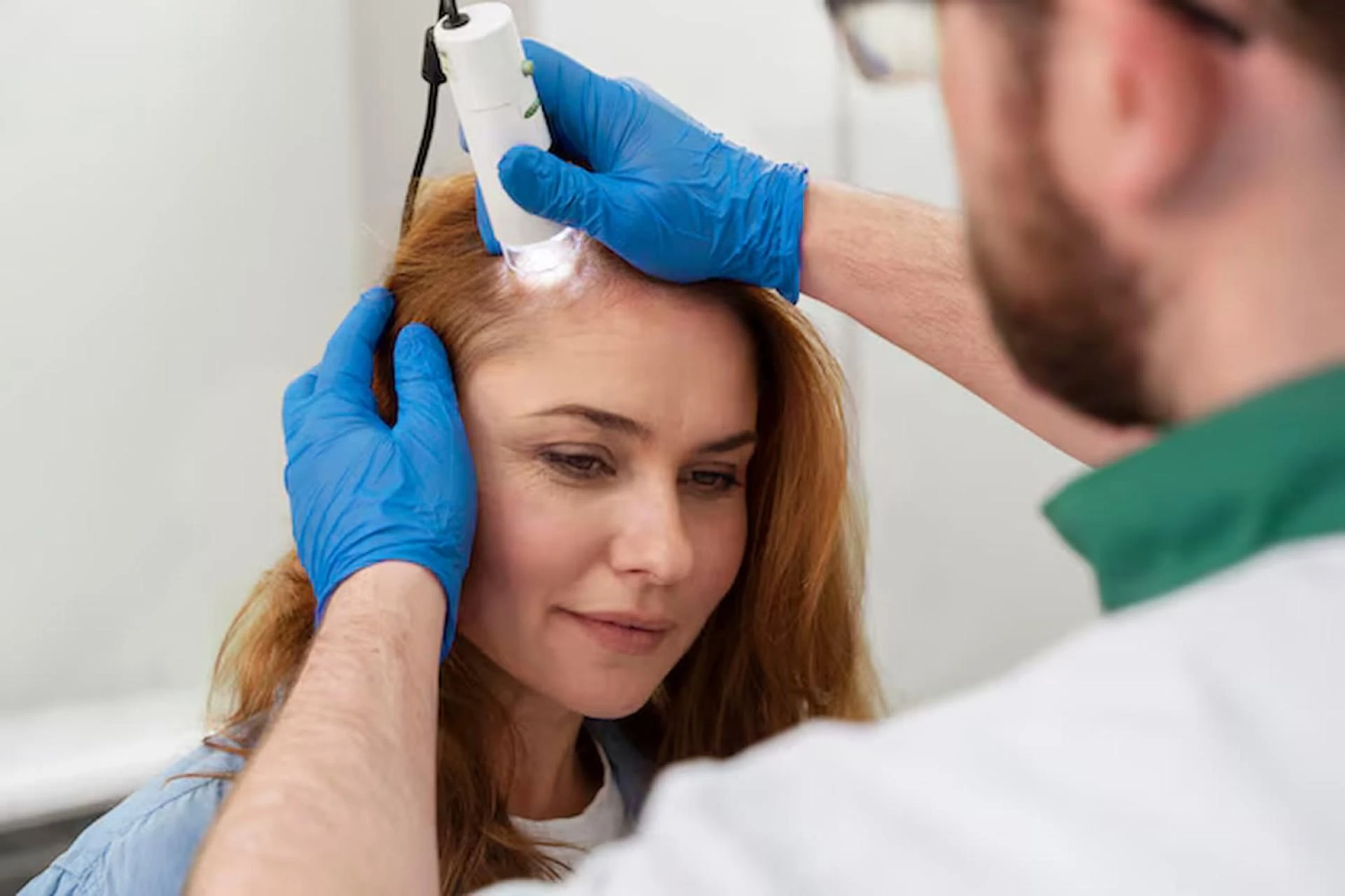
The consultation begins with a thorough evaluation of the patient’s skin condition. Understanding the nature and extent of pigmentation is critical for planning effective treatment. Clinics often use advanced imaging or magnification tools to examine the skin in detail. Identifying the type of pigmentation helps determine the most suitable procedure. Common concerns include sun spots, melasma, post inflammatory hyperpigmentation, and age related pigmentation. Each type requires a tailored approach for optimal results. This initial assessment lays the foundation for a personalized treatment plan.
Identifying the Type of Pigmentation
Different pigmentation conditions have distinct causes and appearances. Sun induced spots are often localized and tan to brown in color. Hormonal pigmentation may present as diffuse patches on the face. Post inflammatory pigmentation develops after acne or skin trauma. Age related spots usually appear on areas exposed to sunlight over time. Proper identification ensures that treatments target the right areas. Misdiagnosis can lead to ineffective results or complications. Skilled practitioners rely on both visual assessment and patient history to make accurate determinations.
Understanding Contributing Factors
Pigmentation is influenced by multiple factors, including genetics, sun exposure, hormonal changes, and lifestyle. During the consultation, practitioners gather detailed information about daily habits and medical history. This may include questions about medications, skincare routines, and previous treatments. Understanding these factors helps tailor treatment intensity and choice of technology. Patients learn how external and internal influences affect pigmentation. Awareness of these causes empowers individuals to make informed decisions about prevention and care.
Discussing Treatment Options
Once the assessment is complete, the consultation moves to reviewing treatment options. Clinics often offer a variety of procedures, each with specific benefits and suitability. Laser treatments, chemical peels, and topical therapies may all be considered. The practitioner explains how each option works and the expected outcomes. Patients are encouraged to ask questions and discuss concerns. This interactive process ensures clarity and aligns expectations with achievable results. A well informed patient is more likely to follow through with recommended treatments effectively.
Laser Pigmentation Removal
Laser procedures target concentrated melanin in the skin using controlled light energy. The laser breaks down pigment particles, which are naturally eliminated by the body. Treatments can address sun spots, age spots, and certain types of hyperpigmentation. Multiple sessions are often recommended for optimal results. Patients may experience temporary redness or mild swelling after treatment. The consultation explains procedure details, session frequency, and expected improvements. Safety measures and suitability for different skin tones are emphasized.
Chemical Peels and Topical Treatments
Some patients may benefit from chemical peels or medicated creams that reduce pigmentation. Chemical peels exfoliate the skin, promoting regeneration and lightening of dark spots. Topical treatments often contain active ingredients that inhibit melanin production. Practitioners assess skin sensitivity and suitability before recommending these options. Combined approaches may be suggested for enhanced effectiveness. The consultation provides clear guidance on application, frequency, and potential side effects. Patient education ensures adherence and optimal results.
Setting Realistic Expectations
A key part of the consultation is managing expectations. Pigmentation treatments often require multiple sessions to achieve noticeable improvement. Immediate results are rare, and gradual change is normal. Practitioners explain timelines for visible changes and the need for follow up sessions. Understanding the expected progression prevents disappointment and promotes realistic goals. Patients learn that ongoing care and sun protection are critical for maintaining results. Clear communication ensures alignment between patient hopes and achievable outcomes.
Understanding the Healing Process
After pigmentation treatments, the skin undergoes a natural healing and regeneration process. Pigmented areas may temporarily darken before fading. Redness or mild swelling may appear and typically resolves within days. The consultation provides information about post treatment care to protect and support healing. Patients are advised on skincare routines, sun avoidance, and gentle product use. Awareness of these processes helps individuals feel prepared and confident. Proper care enhances treatment effectiveness and long term results.
Long Term Maintenance
Pigmentation is often influenced by environmental and lifestyle factors. Even after successful treatment, maintenance is important to prevent recurrence. Practitioners may recommend periodic touch up sessions or ongoing use of protective skincare products. Sun protection, hydration, and healthy habits support long lasting results. The consultation addresses strategies to maintain improvements over time. Patients gain insight into how to sustain healthy, even skin. Proactive maintenance minimizes the risk of pigmentation returning.
Costs and Treatment Planning
During the consultation, clinics provide an overview of potential costs. Pricing varies depending on the type of treatment, number of sessions required, and treatment area size. Packages may be offered to reduce overall expense. Transparent discussion of financial expectations helps patients plan effectively. Customized treatment plans include timelines, session frequency, and estimated outcomes. Understanding costs ensures that patients make informed decisions. Clinics emphasize value, safety, and results over the lowest price alone.
Questions and Personalized Advice
A consultation is also a chance for patients to ask questions and clarify concerns. Topics may include side effects, session duration, and compatibility with other skincare procedures. Personalized advice ensures that patients receive guidance tailored to their specific skin type and pigmentation condition. Practitioners provide recommendations that balance effectiveness and safety. Open communication helps build trust and confidence. The consultation empowers patients to take an active role in their treatment journey.
Conclusion
A professional pigmentation clinic consultation is a crucial step toward achieving clearer, more even skin. It involves detailed assessment of skin condition, identification of pigmentation type, discussion of treatment options, and guidance on realistic expectations. Patients gain insight into procedures such as laser therapy, chemical peels, and topical treatments. Post treatment care and long term maintenance are emphasized for lasting results. Transparent discussions about costs and personalized advice ensure confidence and satisfaction. For expert guidance and tailored solutions, Este Medical Group Bristol offers comprehensive pigmentation clinic bristol consultations to support safe and effective skin care outcomes.





























Sign in to leave a comment.