
In the heart of Sherman Oaks, California, oral health is not just about maintaining a dazzling smile; it’s also about ensuring the well-being of the gums and supporting structures of the teeth. Periodontists, specialized dental professionals trained to diagnose and treat conditions affecting the gums and surrounding tissues, play a crucial role in this aspect of dental care. Understanding what to expect from a periodontist in Sherman Oaks can empower patients to take proactive steps toward maintaining their oral health, preventing diseases, and addressing existing concerns.
The Role of a Periodontist
Before diving into what patients can expect during their visits, it is essential to understand the role of a periodontist. Periodontists undergo extensive training that includes dental school followed by an additional three years of specialized residency focused on periodontology. This training equips them with the skills needed to manage a range of conditions related to the gums and bone that support teeth.
Some of the key responsibilities of a periodontist include:
- Diagnosis and Treatment of Gum Disease: Periodontists specialize in identifying and treating various stages of gum disease, from gingivitis to advanced periodontitis.
- Gum Grafting: They perform surgical procedures to restore receded gums and improve gum health.
- Dental Implants: Periodontists are often involved in the placement and maintenance of dental implants, ensuring they integrate properly with the jawbone.
- Management of Oral Infections: They address infections that may arise in the gums or surrounding tissues.
- Patient Education: Periodontists educate patients about proper oral hygiene practices and lifestyle choices that can affect gum health.
Understanding these roles helps patients appreciate the value of consulting a periodontist when faced with gum-related concerns.
What to Expect During Your First Visit
Comprehensive Evaluation
When visiting a periodontist in Sherman Oaks for the first time, patients can expect a comprehensive evaluation of their oral health. This initial appointment usually includes:
- Medical History Review: The periodontist will review the patient’s medical history, including any existing health conditions and medications, to identify potential risk factors for gum disease.
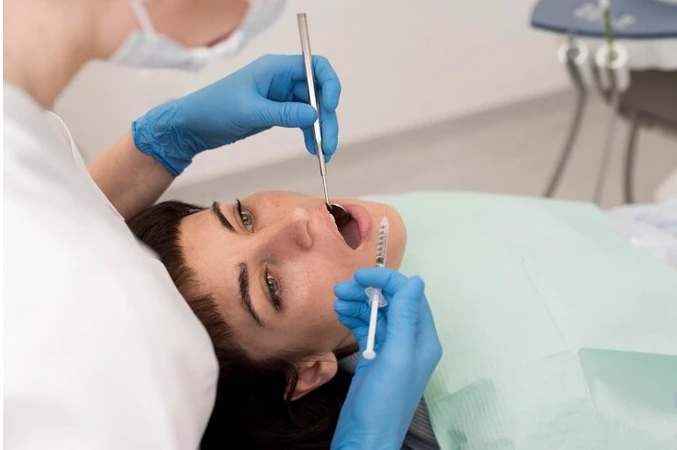
- Dental Examination: A thorough examination of the teeth, gums, and surrounding tissues will be conducted. The periodontist will check for signs of gum disease, such as inflammation, bleeding, and pockets forming between the teeth and gums.
- Diagnostic Imaging: X-rays may be taken to assess the bone structure supporting the teeth and to identify any underlying issues that may not be visible during the clinical examination.
- Assessment of Oral Hygiene Practices: The periodontist will evaluate the patient’s oral hygiene routine and provide feedback on areas for improvement.
Discussion of Findings and Treatment Options
After the evaluation, the periodontist will discuss the findings with the patient. This discussion is crucial for:
- Understanding the Condition: Patients will learn about the specific type and stage of gum disease, if present, and the factors contributing to their condition.
- Treatment Recommendations: The periodontist will outline a personalized treatment plan tailored to the patient's needs. This plan may include non-surgical treatments, such as scaling and root planing, or surgical options, depending on the severity of the disease.
- Patient Education: The periodontist will provide valuable education on how to maintain healthy gums and prevent future issues, including proper brushing and flossing techniques, diet recommendations, and lifestyle changes.
Types of Treatments Offered by Periodontists
Periodontists offer a wide range of treatments aimed at restoring gum health and preventing further complications. Here are some common procedures that patients may undergo:
1. Scaling and Root Planing
Scaling and root planing is a non-surgical procedure often recommended for patients with gum disease. During this treatment, the periodontist will thoroughly clean the teeth and roots, removing plaque and tartar buildup from below the gum line. This process helps reduce inflammation and promotes healing of the gums.
2. Gum Grafting
For patients experiencing gum recession, gum grafting may be an option. During this surgical procedure, tissue is taken from another area of the mouth or sourced from a tissue bank and grafted onto the affected area. This helps restore the gum line and protect the roots of the teeth.
3. Dental Implants
Periodontists are skilled in placing dental implants, which are artificial tooth roots that provide a strong foundation for replacement teeth. The periodontist will ensure that the implant integrates with the jawbone, creating a stable and functional solution for missing teeth.
4. Periodontal Surgery
In more advanced cases of gum disease, surgical intervention may be necessary. Procedures such as flap surgery or bone grafting can help restore gum tissue and bone structure, allowing for improved oral health and function.
5. Maintenance and Follow-Up Care
After treatment, regular maintenance is crucial for sustaining gum health. Periodontists typically schedule follow-up visits to monitor progress and provide additional cleanings or treatments as needed. Patients are encouraged to adhere to their oral hygiene routine and attend these appointments to prevent recurrence of gum disease.
The Importance of Regular Visits
One of the key benefits of establishing a relationship with a periodontist in Sherman Oaks is the emphasis on preventive care. Regular visits allow for early detection of gum disease and other oral health issues. This proactive approach can save patients from more extensive treatments and complications down the line.
During routine check-ups, periodontists can:
- Monitor gum health and detect any changes.
- Provide professional cleanings to remove plaque and tartar.
- Offer personalized advice on improving oral hygiene practices.
- Address any concerns or symptoms the patient may be experiencing.
Lifestyle Factors Affecting Gum Health
While professional treatment is essential for managing gum disease, patients should also be aware of lifestyle factors that can impact their oral health. Some key considerations include:
1. Nutrition
A balanced diet rich in vitamins and minerals supports gum health. Foods high in vitamin C, such as citrus fruits and leafy greens, are particularly beneficial for maintaining healthy gums.
2. Smoking and Tobacco Use
Tobacco use is a significant risk factor for gum disease. Smokers are more likely to develop periodontal issues, and quitting tobacco can greatly improve gum health.
3. Stress Management
Stress can negatively affect the immune system, making it harder for the body to fight off infections, including those in the gums. Practicing stress management techniques, such as mindfulness or exercise, can contribute to better overall health.
4. Proper Oral Hygiene
Consistent brushing, flossing, and using mouthwash are essential for preventing gum disease. Patients should aim to brush twice daily and floss at least once a day to keep their gums healthy.
Conclusion
In conclusion, visiting a periodontist in Sherman Oaks is an important step for individuals looking to maintain or restore their gum health. By understanding what to expect during an initial visit, the types of treatments available, and the significance of regular check-ups, patients can take charge of their oral health and prevent gum disease. The expertise of periodontists in addressing gum-related concerns, combined with proactive lifestyle choices, can lead to healthier gums and a brighter smile.
If you are ready to prioritize your gum health and explore the options available to you, consider reaching out to Clove Dental. With a commitment to personalized care and a focus on your unique dental needs, Clove Dental is here to support you on your journey to optimal oral health. Don’t wait schedule your appointment today and take the first step toward a healthier, more confident smile!
































Sign in to leave a comment.