
The hospitality industry is all about providing guests with exceptional experiences, from the moment they check in to the time they check out. One aspect of guest satisfaction is the quality of the textiles used in hotels, resorts, and other hospitality venues. Think about it—soft, high-quality bed linens, durable towels, and well-crafted upholstery are essential elements that contribute to a guest's overall comfort.
But how can hospitality businesses consistently achieve the standard of quality that their guests expect?
Partnering with a reputable textile exporter is the answer. Not only can they provide the materials needed for a luxurious guest experience, but they also ensure that the supply is consistent, timely, and meets the highest standards of quality.
Understanding the Role of Textile Exporters
Before diving into the specifics of partnering with a textile exporter, it’s essential to understand what they do and why their role is so vital to the hospitality industry.
What is a Textile Exporter?
A textile exporter is a company or organization that supplies fabric and finished textile products to international markets. These products can range from bed linens, towels, and curtains to larger items like upholstery fabrics and decorative textiles. Textile exporters work with manufacturers to source materials and ensure they meet the requirements of the markets they serve.
The Role in the Supply Chain for the Hospitality Industry
For hospitality businesses, textile exporters are key partners in ensuring they have access to high-quality textiles that meet both aesthetic and functional needs. A good exporter can provide a wide range of fabrics, ensuring that hotels, resorts, and restaurants are never short of essential items. Their expertise in international shipping and sourcing means that hospitality businesses don’t have to worry about navigating the complexities of textile procurement.
The Benefits of Partnering with a Textile Exporter
Choosing the right textile exporter brings a wealth of advantages to the table. Let’s explore some of the top benefits:
High-Quality Fabrics and Materials
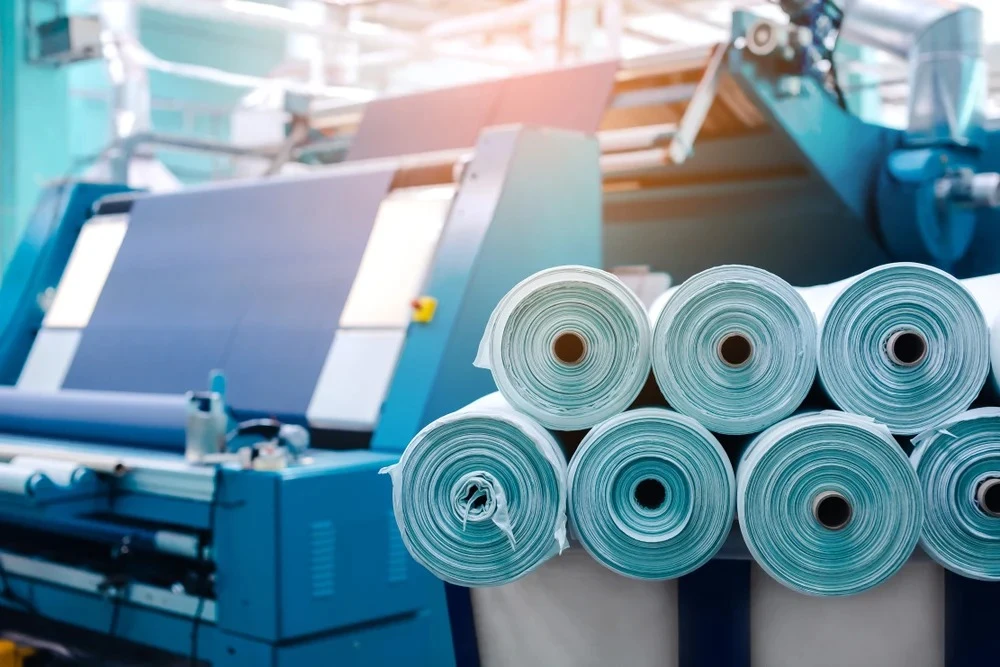
One of the main reasons hospitality businesses partner with textile exporters is to gain access to high-quality fabrics. Textile exporters often have relationships with manufacturers that adhere to strict quality standards. This means hotels can consistently offer their guests soft, comfortable, and visually appealing linens, towels, and other fabrics.
Ensuring Timely Deliveries and Consistency
Consistency is key in the hospitality industry. Guests expect the same level of quality every time they stay at a hotel or resort. Working with a textile exporter guarantees that the required products are delivered on time and in the right quantities, ensuring smooth operations.
Cost-Effectiveness in the Long Run
While sourcing textiles locally might seem like a cost-saving option initially, working with an exporter often proves to be more cost-effective in the long term. Exporters can offer bulk pricing and provide high-quality items at competitive rates, which is crucial for businesses aiming to optimize their supply chains.
Key Factors to Consider When Choosing a Textile Exporter
When selecting a textile exporter, several factors need to be taken into consideration to ensure a successful partnership:
Quality Standards and Certifications
It’s essential that the textile exporter adheres to international quality standards. Certifications like ISO or Oeko-Tex can assure hospitality businesses that the products they’re purchasing meet stringent quality and safety requirements.
Reputation and Experience
Experience matters in this industry. A reputable exporter with years of experience can provide the necessary expertise to navigate the complexities of textile sourcing and supply. Checking reviews and seeking references can help gauge their reliability.
Customer Support and Flexibility
Partnering with a textile exporter who offers excellent customer support is crucial. The hospitality industry often operates on tight timelines, so the ability to communicate effectively and resolve issues quickly can make a big difference.
Environmental and Ethical Practices
Sustainability is becoming increasingly important in the hospitality industry. Choose a textile exporter that prioritizes eco-friendly fabrics and ethical production practices. This not only helps the environment but also aligns with the values of many hospitality businesses.
Textile Exporter and Its Impact on the Guest Experience
The quality of textiles used in hotels and resorts has a direct impact on the guest experience. Here’s how:
Comfort and Aesthetics: Elevating the Guest Experience
Luxurious, soft bed linens and plush towels are often the first things guests notice when they enter a hotel room. The comfort and aesthetic appeal of these textiles play a significant role in creating a memorable stay.
Durability: Long-Lasting Products for Daily Use
Textile items in the hospitality industry undergo heavy usage. Working with a textile exporter ensures that the materials used are durable enough to withstand frequent washing and wear without losing their quality.
Hygiene and Safety: The Role of Quality Fabrics
Hygiene is paramount in the hospitality industry. High-quality fabrics made from natural fibers can help ensure better hygiene and easier cleaning. They’re less likely to harbor bacteria and are typically more resistant to staining.
How Textile Exporters Ensure Quality Control
The best textile exporters maintain strict quality control throughout the manufacturing and shipping process:
Quality Checks and Inspection Processes
Leading exporters have rigorous quality assurance protocols in place. From raw material inspection to final product checks, these procedures ensure that only the highest quality textiles reach the customer.
Supply Chain Transparency
Transparency is another benefit of working with a reliable textile exporter. They should offer insight into where and how the textiles are made, ensuring compliance with industry standards.
Technology in Textile Production
The rise of technology in the textile industry has improved quality control. From automated weaving machines to computer-aided design (CAD) systems, these technologies allow for greater precision and consistency.
The Challenges of Partnering with a Textile Exporter
While there are many advantages to working with a textile exporter, there are also challenges that businesses need to consider:
Shipping and Logistics Issues
International shipping can sometimes present challenges, such as delays, customs issues, or unexpected costs. Partnering with a well-established exporter that has experience navigating global logistics can help mitigate these risks.
Sizing and Customization Challenges
Different markets and hospitality businesses often require specific sizes and designs. Ensuring that the exporter can accommodate these needs is essential to avoid sizing issues or product mismatches.
Risk of Substandard Products or Inconsistent Supply
One of the risks of partnering with an exporter is the possibility of receiving substandard products or dealing with inconsistent supply. It’s crucial to vet potential exporters thoroughly and establish clear communication channels to avoid these issues.
How to Build a Strong Relationship with Your Textile Exporter
Building a long-term partnership with your textile exporter is key to ensuring ongoing success:
Clear Communication and Expectations
Clearly communicating your expectations from the beginning is critical. This includes defining quality standards, delivery times, and any customization requirements.
Regular Feedback and Collaboration
Regularly sharing feedback with your exporter can help them improve their products and services. Building a collaborative relationship fosters mutual trust and ensures both parties are aligned.
Long-Term Partnership Benefits
A long-term partnership allows both businesses to plan for the future and innovate together. It can also lead to better pricing and exclusive deals.
Future Trends in the Textile Export Industry
The textile export industry is constantly evolving. Here are some trends to keep an eye on:
Eco-Friendly and Sustainable Textiles
Sustainability is becoming increasingly important, and textile exporters are responding by offering eco-friendly options like organic cotton and recycled polyester.
The Rise of Smart Fabrics
Smart textiles, such as fabrics that regulate temperature or monitor health metrics, are becoming more popular. These innovations could offer new opportunities for the hospitality industry.
Technological Innovations in Textile Production
Advancements in technology are making textile production more efficient and sustainable. Automation and 3D printing could revolutionize the way textiles are produced in the future.
Conclusion
In conclusion, partnering with a textile exporter is a strategic decision that can significantly benefit the hospitality industry. By ensuring high-quality fabrics, consistency in supply, and timely deliveries, exporters help elevate the guest experience while providing cost-effective solutions. The key to success lies in choosing the right exporter, establishing clear communication, and building a long-term relationship.










Sign in to leave a comment.