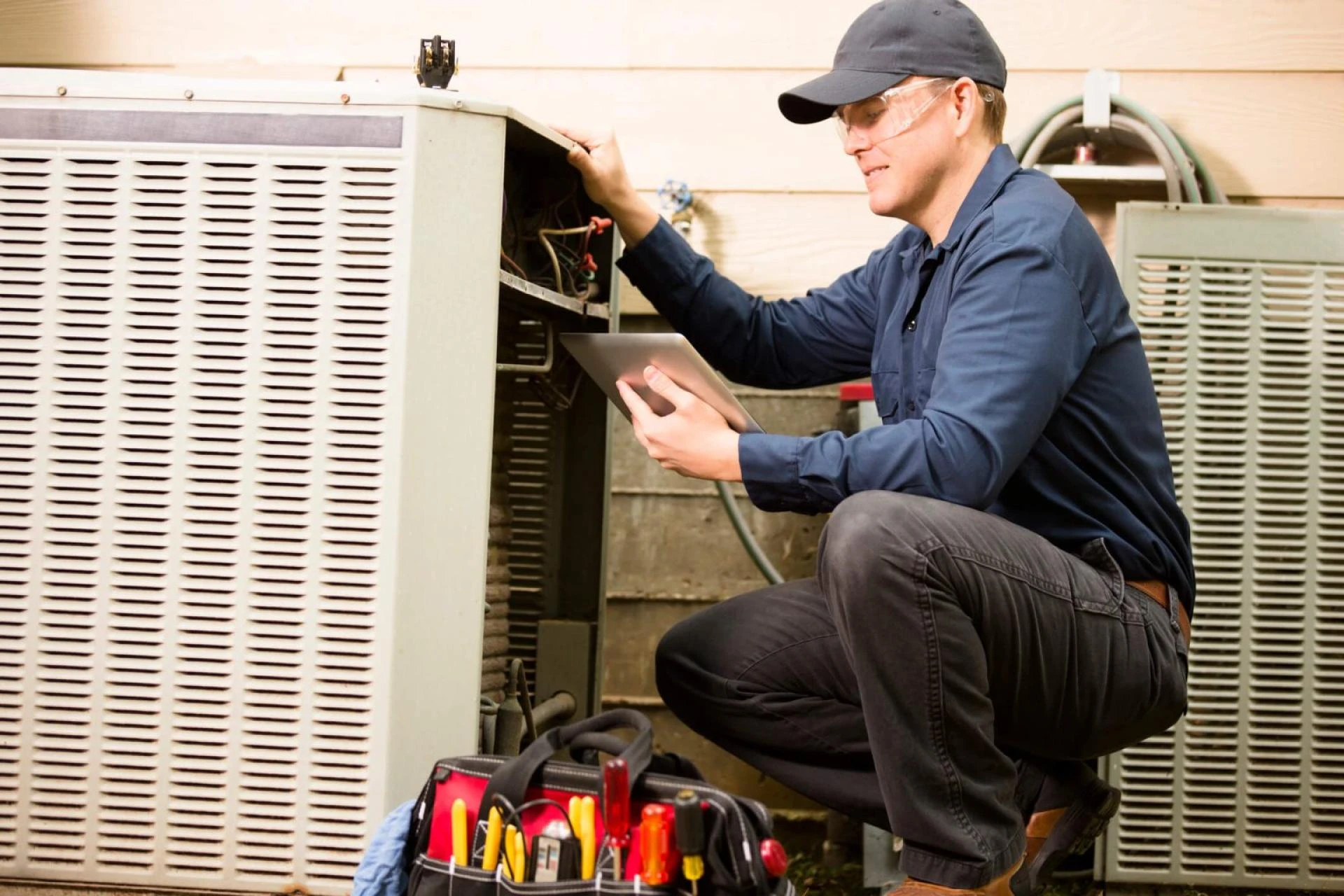

Choosing the correct type of air conditioner is crucial when it comes to ensuring comfort and maintaining a pleasant indoor environment in your home. Homeowners often face the dilemma of deciding between different types of air conditioners. Your choice can significantly impact your comfort, energy efficiency, and overall satisfaction with your home cooling system.
Explore the different options available for home air conditioning installation:
1. Central Air Conditioning
Central air conditioning is one of the homes’ most popular and widely used cooling systems. It involves a centralized unit that distributes cool air through ducts and vents. A central AC system is perfect for larger homes with multiple rooms, as it can effectively cool the entire house evenly. It offers consistent and even temperature control, making it a comfortable choice for homeowners.
2. Split Air Conditioning
Split air conditioning systems contains two main components: an indoor unit and an outdoor unit. The indoor unit is typically installed on the wall or ceiling, while the outdoor unit is placed outside the home. These systems are known for their versatility, making them suitable for both small and large spaces. Split ACs are energy-efficient and provide zone cooling, allowing you to cool specific rooms or areas of your home independently.
3. Window Air Conditioning
Window air conditioners are compact units designed to be installed in a window or a hole in the wall. They are an excellent choice for cooling individual rooms or small spaces. Window ACs are relatively affordable and easy to install. However, they may not be the best option for large homes or spaces with multiple rooms, as they are limited in their cooling capacity.
4. Ductless Mini-Split Systems
Ductless mini-split systems offer the advantages of both split and central air conditioning. They consist of an outdoor compressor unit and multiple indoor air handlers that can be installed in different rooms. These systems are highly customizable, energy-efficient, and provide precise temperature control for each room. Ductless mini-splits are an excellent choice for homes without existing ductwork and for those looking to zone cool their spaces efficiently.
5. Evaporative Coolers (Swamp Coolers)
Evaporative coolers use water to cool and moisten the air. They are most effective in dry, arid climates and are an energy-efficient alternative to traditional air conditioners. However, they may not provide sufficient cooling in areas with high humidity. Evaporative coolers are generally more affordable to purchase and operate but may require regular maintenance to prevent mineral buildup.
6. Portable Air Conditioners
Portable air conditioners are separate units that can be moved from room to another. They are easy to install and offer a quick cooling solution for small spaces. However, they are less efficient than other air conditioners and may not provide the same level of cooling as central or split systems. Portable ACs work well as temporary cooling solutions or for rooms that are not frequently used.
7. Geothermal Heat Pumps
Geothermal heat pumps are highly energy-efficient and environmentally friendly cooling and heating systems. They utilize the earth’s stable temperature to provide heating in the winter and cooling in the summer. While the installation cost can be higher, geothermal systems offer long-term savings on energy bills and are considered a sustainable choice.
we’ve explored the various types of home air conditioning installation let’s consider some essential factors to help you decide which one is best suited for your home:
1. Climate: The climate in your region plays a significant role in determining the most suitable type of air conditioner. Central air conditioning or ductless mini-splits may be preferable for hot and humid climates due to their ability to provide consistent cooling throughout the house. In contrast, evaporative coolers are ideal for dry and arid regions.
2. Budget: Your budget is another crucial factor to consider. Central air conditioning systems are the most expensive, while window and portable units are more budget-friendly. Ductless mini-splits fall somewhere in between, balancing cost and efficiency.
3. Home Size and Layout: The size and layout of your home can influence your choice of air conditioner. Central systems suit larger homes with existing ductwork, while ductless mini-splits are ideal for smaller homes or cooling-specific areas. Window and portable units are best for single rooms or small apartments.
4. Energy Efficiency: If energy efficiency is a priority, consider air conditioners with high SEER (Seasonal Energy Efficiency Ratio) ratings. Ductless mini-split systems are known for their energy efficiency, but modern central air conditioners also have high SEER ratings.
5. Installation and Maintenance: Consider the comfort of installation and maintenance. Some systems, like window air conditioners and portable units, are relatively easy to install. Others, like central air conditioning, may require professional installation and regular maintenance.
6. Noise Level: Think about the noise level of the air conditioner. Central systems are typically quiet, as the noisy components are located outside the home. Ductless mini-splits are quiet, while window and portable units can be noisier, especially if they’re not well-maintained.
Conclusion
The type of air conditioner recommended for your home depends on various factors, including your climate, budget, home size, and personal preferences. If you’re unsure which type of air conditioner is best for your home, it’s a good idea to consult with the HVAC professionals of J.A. Mechanical LLC, who can assess your situation and provide personalized recommendations.










Sign in to leave a comment.