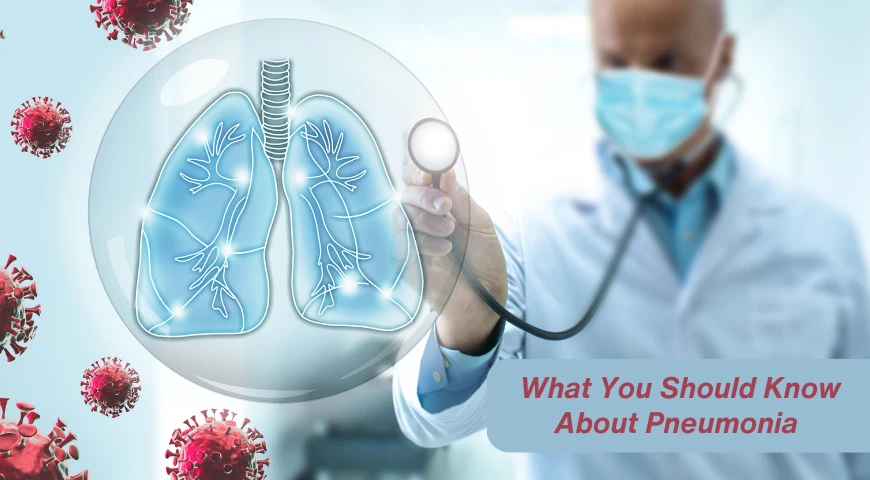

What is Pneumonia?
A lung infection is a pneumonia. It is brought on by microorganisms like bacteria and viruses, as well as less frequently by parasites or fungi. Very rarely, environmental poisons or contaminants might also lead to pneumonia.
Sneezing, a runny nose, or cold are frequent precursors to pneumonia. The lungs may eventually get infected. The immune system of the body and the power of the germ can influence whether the illness spreads to the lungs. From a newborn infant to an elderly person, anyone might develop pneumonia.
The condition's level of severity varies greatly. It might be fatal or extremely minor. Malnutrition, diabetes, heart disease, smoking, asthma, chronic liver or renal problems, inadequate immunity in the patient, and other predisposing factors might make an illness more severe. Each year, a sizable number of children in India pass away from pneumonia.
What are the signs or symptoms of Pneumonia?
Depending on the origin and how successfully your immune system fights the infection, the severity of pneumonia symptoms varies. In order to start the appropriate lung infection treatment for pneumonia
Most pneumonia sufferers exhibit one or more of the following symptoms:
How is Pneumonia treated?
Depending on the sort of pneumonia you have, there are several treatments. Antibiotics will be provided to you to treat the infection if it is bacterial pneumonia. Unfortunately, there are times when treating viral pneumonia is difficult: Antiviral medications may be prescribed to you, but you may also be told to stay at home to recover from the virus. If this is the case, you could be instructed to take over-the-counter pain relievers or fever reducers, sip warming liquids, and get lots of rest.
In order to start the appropriate treatment, a doctor's consultation is consequently imperative. Surgery is necessary to drain the pus from complications such as empyema. Additionally, longer antibiotic treatment will be necessary.
Can Pneumonia be prevented?
Get immunized
To avoid seasonal influenza, be vaccinated against it every year. Since pneumonia frequently results from the flu, avoiding the virus is an effective strategy to avoid pneumonia.
Pneumococcal pneumonia is a prevalent type of bacterial pneumonia that should be prevented by vaccination in children under the age of five and seniors 65 and over. All kids and adults who are at a higher risk of pneumococcal illness due to other medical issues should also get the pneumococcal vaccine. Pneumococcal vaccines come in two different varieties. Find out if one of these is appropriate for you by speaking with your healthcare professional.
Other vaccines, such as those for measles, chickenpox, and pertussis, help protect against viral and bacterial illnesses that can cause pneumonia. Please consult your doctor to find out if you and your kids have had all of your recommended vaccinations, as well as to find out if any of these shots are right for you.
Wash Your Hands
Regular hand washing is one of the finest strategies to maintain your health and stay healthy. Get a good lather going for at least 20 seconds using soap and warm water. Rinse your hands completely, then pat them dry with a soft towel or let them air dry. Moreover, refrain from touching your face and eyes.
Stop smoking.
Smoking damages your lungs and hinders your ability to fight off illnesses like pneumonia. Smokers are also more susceptible to other ailments that might result from smoking, including pneumonia, which can be fatal.
Your lungs will get stronger and more equipped to resist infection if you stop smoking. You will be less prone to develop pneumonia as a result. If you do, you'll have a better chance of defeating it.
Discuss the pneumococcal vaccine with your pneumonia specialist in Coimbatore if you smoke in addition to receiving the flu shot.
Don't drink
Your body's ability to fight off disease and maintain health is compromised when you drink alcohol. Alcohol abusers are more likely to get pneumonia and its consequences. Women shouldn't consume more than one alcoholic beverage per day, according to experts. Men should limit their drinking to two.
Self-care is important.
Having a robust immune system is one of your best lines of defense against infections. You can assist yours by:
Exercise frequently.Consume plenty of fruits and veggies.Get adequate rest.Reduce tension.






















Sign in to leave a comment.