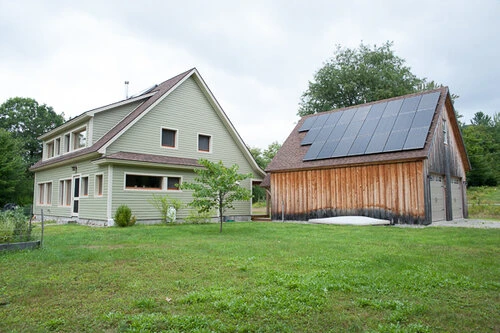

Passive houses are dry, warm in winter, and cool in summer - but there's something more to them than that. Multiple health and environmental benefits are the key reasons why an increasing number of investors and potential homeowners prefer passive houses over traditional houses. Let us expand the topic and list all of the pros of passive builds.
The definition of Passive
When used for buildings, the word passive refers to a healthy and comfortable residence with extremely low energy consumption, especially for heating and cooling.
These homes made by the passive house builders in Melbourne have strategically constructed insulation and ventilation to control their own temperature levels with no need for additional air conditioning, depending on the movement of the sun and innovative design.
Why are they so efficient?
A passive house, regardless of the size, requires ongoing insulation altogether, triple-pane windows, airtight sealing, and a great air quality system.
Passive houses are also intended to reduce thermal bridging, which occurs when the temperature of one material moves to another through direct touch. The internal temperature becomes much more stable and less dependent on outside variables by thermally sealing off the inside. All of these variables together may make a passive home up to 90% more energy-efficient than a regular building.
Choosing the site
The first thing you should think about is the construction site and its environment. A passive home is made to take advantage of solar energy, therefore in the northern hemisphere, the house should be as south-facing as possible.
Integrated utilities
Incorporated utility zones are standard in modern structures and often necessary in passive dwellings. A service niche in the wall is essential for running plumbing, electrical cables, and controllers, and it also helps to maintain the envelope's airtightness.
Most homeowners appreciate the notion of consolidating all of their house's utility systems into a single maintenance hub and prefer to buy their peace of mind with a superior home insurance plan that covers damage to the building and possessions caused by leaky water or fire, gas explosion, and so on.
Room layouts
It is usually recommended to group the damp areas together when planning the rooms and spaces within your passive design. When you stack rooms like the kitchen, baths, laundry, and utility rooms side by side, back to back, or above each other, you substantially reduce the length of plumbing while also saving energy through fewer heat losses all through the structure.
This approach will eventually define your floor plan, with a compact shape being the most energy- and cost-effective.
Hope, you have gathered enough information about passive house construction. If you like this post, share it with your friends, and get back to us for more exciting posts!






Sign in to leave a comment.