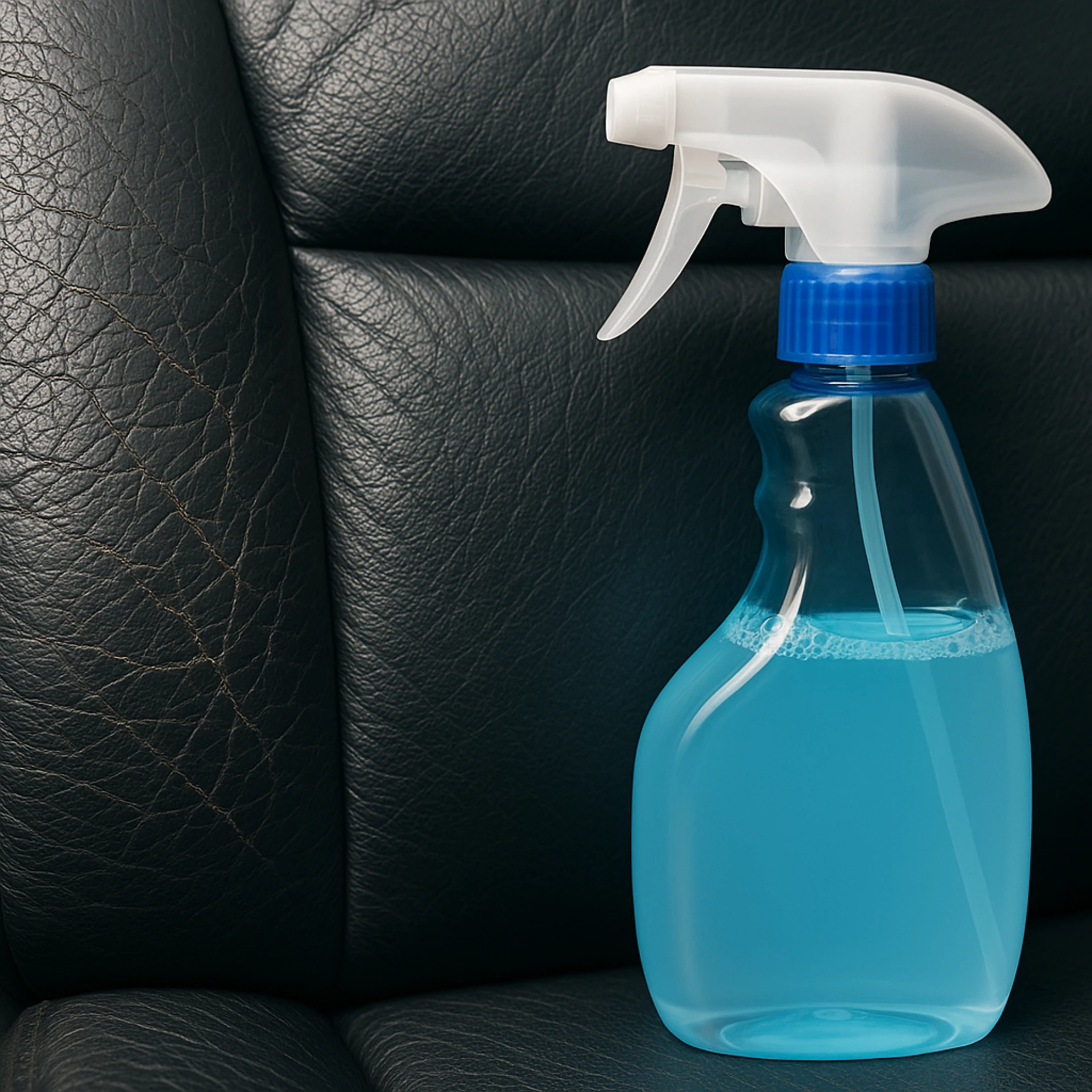

Leather seats are one of the most luxurious features in a car. They look elegant, smell great, and feel premium — until the wrong cleaning product ruins them. Many car owners unknowingly damage their leather seats by using household cleaners, wipes, or even paper towels that seem harmless at first.
In this article, we’ll explain what not to use when cleaning leather and why professional care is always the safest choice.
1. Avoid Alcohol-Based Cleaners and Disinfecting Wipes
It’s tempting to grab a disinfecting wipe or an alcohol spray, especially after eating in the car or during flu season. However, alcohol is one of the most damaging substances for leather.
It strips away the natural oils that keep leather soft and flexible. Over time, this leads to:
- Dryness and cracking
- Fading or discoloration
- Rough, dull texture
Even “gentle” baby wipes often contain small amounts of alcohol and other harsh chemicals. If you’ve already used them, you might have noticed your seats turning slightly sticky or dry — a clear warning sign of surface damage.
2. Don’t Use Household Cleaners or Dish Soap
Leather is not the same as vinyl or plastic. Products designed to remove grease from kitchen counters or dishes are too aggressive for natural leather surfaces.
These cleaners can:
- Break down the protective coating
- Cause uneven fading
- Leave residues that attract dirt and dust
If your leather seats start to feel squeaky or lose their soft shine, this could mean the cleaner has already affected the surface.
Stick to pH-balanced leather cleaners made specifically for automotive interiors.
3. Skip Vinegar, Baking Soda, and “DIY” Mixes
Many online guides recommend homemade cleaning solutions like vinegar, lemon juice, or baking soda. While these ingredients sound natural, they are too acidic or abrasive for leather.
Vinegar can cause the top layer of the leather to peel, while baking soda can leave micro-scratches and make the surface uneven.
Leather requires balance — neither too dry nor too oily. Using random DIY mixes can easily throw that balance off, shortening the lifespan of your seats.
4. Never Wipe with Rough Towels or Paper Products
Paper towels, napkins, or old kitchen rags might look harmless, but they can scratch or dull the leather’s surface.
Instead, always use a soft microfiber cloth — it’s gentle, lint-free, and won’t remove the finish.
When wiping, avoid circular scrubbing motions. Light, straight wipes are better to prevent friction and heat buildup.
5. Don’t Leave Leather Wet or Unprotected
After cleaning, always dry the seats gently. Leaving leather damp allows moisture to soak into the seams or foam padding, leading to odor and mold.
Once dry, apply a leather conditioner to restore natural oils and protect against UV rays.
Skipping this step can make even high-quality leather crack within a few years — especially in sunny San Diego!
Professional Tip from Leather Care Help
At Leather Care Help, we restore and protect leather car seats daily — from faded BMW interiors to cracked Tesla seats. Most damage we see could have been avoided if the owner used the right cleaning products.
If your seats already show signs of wear, such as fading, dryness, or small cracks, don’t wait. Professional restoration can bring them back to life before replacement becomes necessary.
We recommend cleaning leather seats every 2–3 months with proper products and conditioning them twice a year.
Avoid shortcuts — your leather will thank you with years of comfort and style.
This content was written by Leather Care Help.











Sign in to leave a comment.