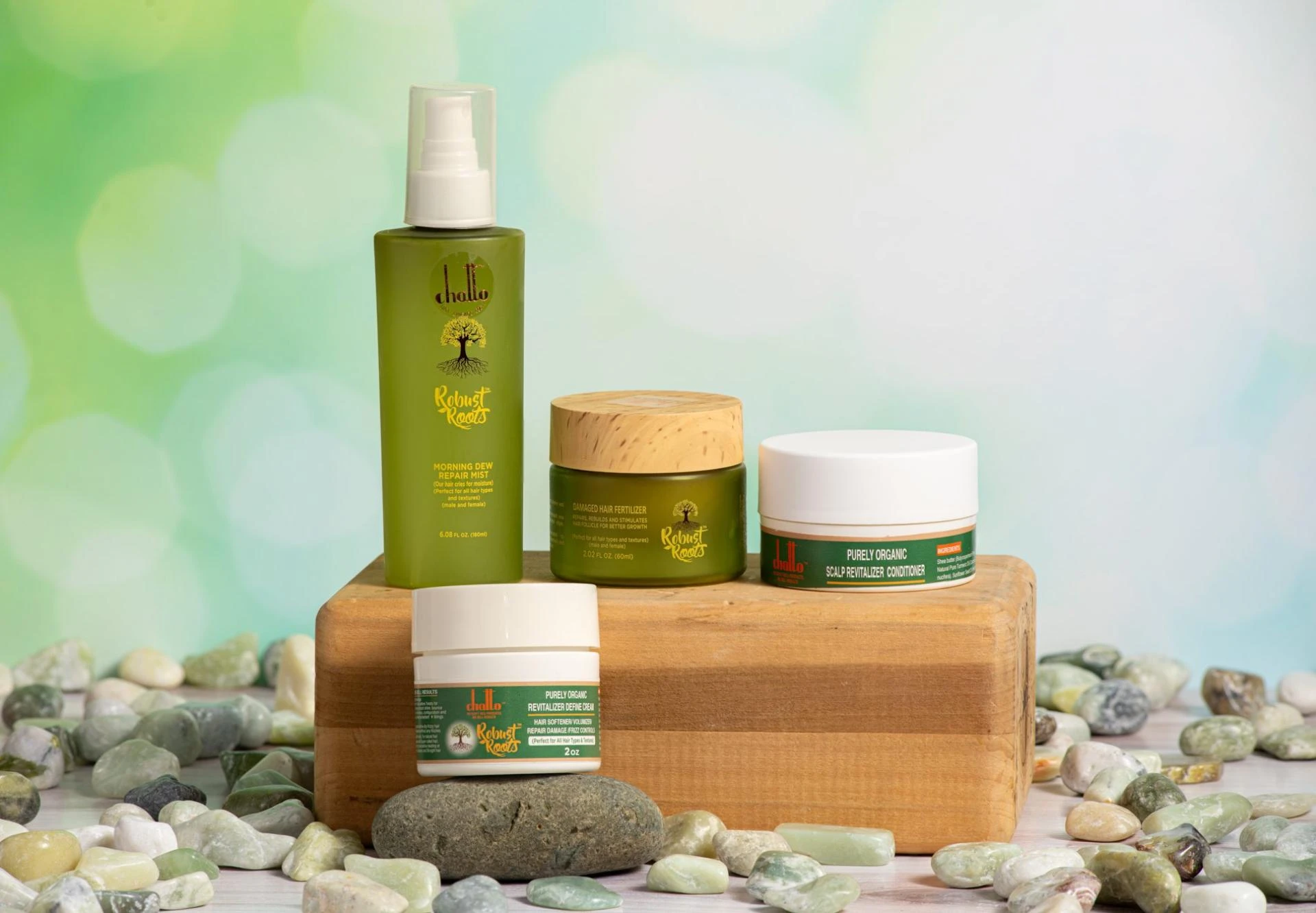
Hair texture is often treated as a styling concern, but it is actually one of the clearest indicators of moisture balance. When hair feels rough, limp, overly fluffy, or brittle, it is sending signals about its internal condition. Many people respond with quick fixes, yet the real issue usually lies deeper. Understanding what hair texture reveals about moisture levels is the first step toward healthier hair. This is also where a Moisturizing Hair Kit becomes a structured and reliable solution rather than a trial-and-error approach.
Moisture imbalance does not happen overnight. It develops slowly through daily habits, environmental exposure, and product misuse. By learning how different textures respond to moisture, individuals can make informed decisions that support long-term hair health instead of short-term appearance. Keep reading.
Hair Texture and Moisture: The Fundamental Connection:
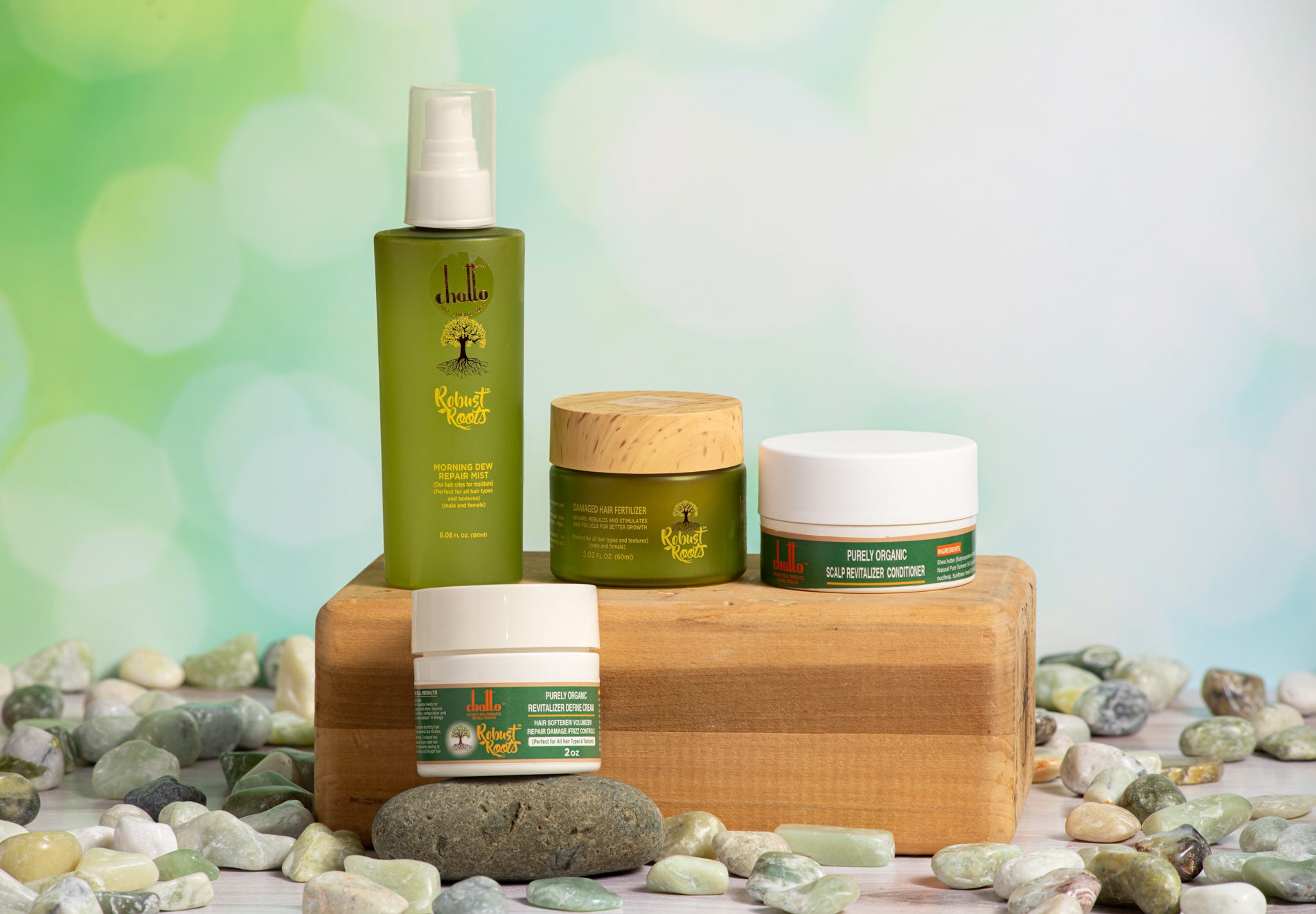
Hair texture refers to how hair feels and behaves, not just how it looks. It reflects the condition of the hair cuticle, which is the outer protective layer. When the cuticle is smooth and properly hydrated, hair feels soft, flexible, and manageable. When moisture is lacking, the cuticle lifts, allowing hydration to escape. A Moisturizing Hair Kit is designed to address this exact issue. By combining cleansing, conditioning, and sealing steps, it helps restore balance where texture shows signs of stress.
Straight Hair and Moisture Retention:
Straight hair often appears shiny and smooth, but it is not immune to dryness. Because natural oils travel more easily down straight strands, dryness can be less visible at first. However, when straight hair lacks moisture, it becomes flat, lifeless, and prone to split ends. Texture signs of low moisture in straight hair include stiffness, increased breakage, and a dull appearance. A Moisturizing Hair Kit helps replenish hydration without weighing hair down, supporting elasticity and natural movement.
Wavy Hair as an Early Warning System:
Wavy hair sits between straight and curly textures, which makes it especially sensitive to moisture imbalance. When properly hydrated, waves appear defined and controlled. When moisture is missing, hair becomes frizzy, uneven, and difficult to manage.
This texture often shows moisture issues before others. Inconsistent wave patterns and puffiness are common signs. Using a Moisturizing Hair Kit with lightweight hydration helps maintain definition while preventing dryness-related frizz.
Curly Hair and Chronic Moisture Loss:
Curly hair has natural bends that slow the movement of oils along the strand. As a result, it is more vulnerable to dryness. Texture changes quickly when moisture levels drop, leading to roughness, tangling, and loss of curl shape.
A well-formulated Moisturizing Hair Kit supports curly hair by layering moisture and helping retain it throughout the day. When curls feel springy rather than stiff, it is a sign that moisture needs are being met.
Coily Hair and Deep Moisture Dependency:
Coily hair has the tightest pattern, which makes moisture retention the greatest challenge. This texture often feels dry even shortly after washing. When moisture is insufficient, hair becomes brittle and prone to breakage.
For coily textures, moisture is not optional; it is essential. A Moisturizing Hair Kit designed for deep hydration supports flexibility, reduces tension, and helps hair respond better to styling. As the saying goes, “Dry hair is fragile hair.”
Fine vs. Coarse Hair: Texture Thickness Matters:
Hair thickness also influences how moisture behaves. Fine hair has a smaller diameter and can lose moisture quickly, while coarse hair requires more hydration to feel soft. Fine hair that lacks moisture may feel wispy and weak. Coarse hair without proper hydration feels rough and resistant. A Moisturizing Hair Kit balances hydration levels based on texture thickness, ensuring hair receives what it needs without overload.
Hair Porosity and Its Role in Texture Changes:
Porosity refers to how easily hair absorbs and retains moisture. High-porosity hair absorbs moisture quickly but loses it just as fast, leading to texture inconsistency. Low-porosity hair resists moisture, often feeling dry even when products are applied.
Texture that changes throughout the day is often a sign of porosity issues. A Moisturizing Hair Kit supports moisture control by preparing the hair to accept hydration and sealing it effectively.
Environmental Stress and Texture Shifts:
Weather plays a major role in moisture balance. Heat, cold, wind, and low humidity can all affect hair texture. Hair that feels soft indoors may feel dry and frizzy outdoors. Consistent use of a Moisturizing Hair Kit helps protect hair from these external stressors. By reinforcing the moisture barrier, it reduces texture changes caused by environmental exposure.
Product Overuse and False Moisture Signals:
Not all softness indicates healthy moisture. Some products coat the hair rather than hydrate it. This can create a temporary smooth feel while moisture levels continue to decline.
When texture worsens after washing or styling, it may be a sign of buildup or imbalance. A Moisturizing Hair Kit supports clean hydration by combining proper cleansing with targeted moisture delivery.
Why Texture Is a Better Guide Than Appearance?
Shine and style can be misleading. Texture, however, provides honest feedback. Hair that bends without snapping, feels supple, and responds well to styling is properly hydrated.
Listening to texture changes allows individuals to adjust routines before damage occurs. A Moisturizing Hair Kit simplifies this process by offering a complete, coordinated system rather than isolated products.
Building a Moisture-Focused Hair Routine:
Consistency matters more than intensity. Occasional deep treatments cannot replace daily moisture awareness. Texture improves gradually when hair is cared for regularly.
A Moisturizing Hair Kit supports routine care by aligning each step toward hydration. Over time, texture becomes more predictable, manageable, and resilient.
Business Value and Consumer Confidence:
From a business perspective, Moisturizing Hair Kits meet a real and ongoing need. Consumers are increasingly educated and seek solutions that address root causes rather than surface symptoms. Providing content that explains texture and moisture builds trust. When people understand why a product works, they are more likely to use it correctly and consistently.
Conclusion!
Hair texture is more than a cosmetic feature. It is a daily report on moisture health. When texture changes, it is time to listen rather than ignore the signs. A well-designed Moisturizing Hair Kit helps translate those signals into action by supporting hydration, balance, and long-term strength. Instead of chasing trends or quick fixes, focus on moisture to create lasting results. When hair feels right, it usually is right.











Sign in to leave a comment.