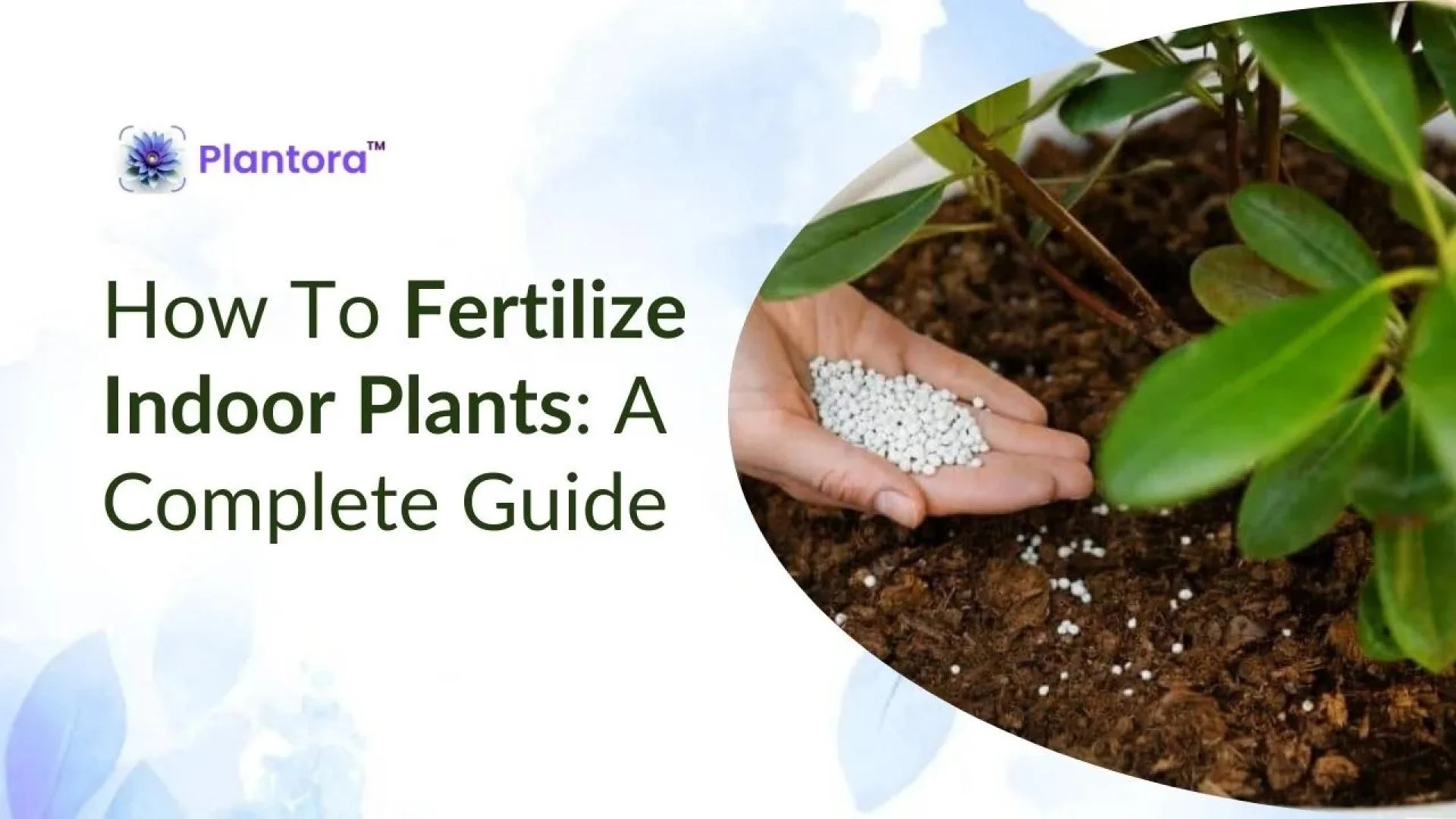

Even though indoor plants are very easy to care for, these plants still thrive better if their basic needs are fulfilled. Such as sunlight, watering, and fertilizing. When and how to fertilize indoor plants is tricky and every plant parent must learn how they can take better care of their plants.
There are various fertilizers each designed to cater needs of specific plants. Therefore, one must familiarize oneself with these fertilizers and also learn how much fertilizer a plant needs. We have covered such questions in this article.
Choosing The Best Fertilizer
Among the many options choosing the best fertilizer for your plant can be a tricky part and choosing the wrong fertilizer can cause plant health to decline. Here’s the fertilizer preference of different types of plants:
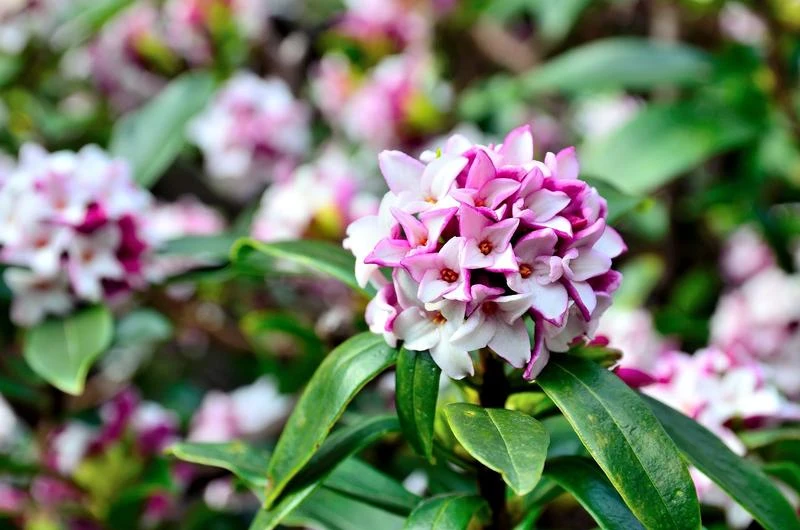
- Flowering Plants - Fertilizers rich in phosphorus are beneficial for flowering plants as they help plants produce healthy and vibrant blooms.
- Foliage Plants - Such plants need nitrogen-rich fertilizers to produce lush and green foliage.
- Succulents - Cacti and succulent plants have low fertilization needs. Use a balanced fertilizer for them.
How To Fertilize Indoor Plants?
Most indoor plants grow during spring and summer, that is the time they require more nutrition. During fall and winter, these plants go through their dormancy and need little to no fertilizer. Here are some tips on how to fertilize indoor plants -
- Spread the fertilizer evenly on the soil and keep the fertilizer off the leaves unless it’s a foliar-feeding one.
- Scatter slow-release fertilizer over the soil and water the plant. These fertilizers will gradually release the nutrients.
- Liquid fertilizers should be diluted before application.
When To Fertilize Indoor Plants?
There are many signs that a plant will show if it is facing a lack of nutrients, such as - poor or no flowering, stunted growth, yellowing or browning of leaves, and more. Furthermore, you can fertilize your plants every two to four weeks depending on their growth rate during the active seasons (spring and summer).
In the colder months, most plants go into dormancy so you should reduce or stop fertilizing your plants then.
Common Mistakes To Avoid While Fertilizing
To not cause any harm to your indoor plants while fertilizing you should try to avoid the following mistakes:
- Over-fertilizing can damage your plant and cause salt buildup. Therefore, read the labels carefully to know the right amount of fertilizers.
- Regularly watering your plants before fertilizing is necessary to avoid root damage and poor absorption of nutrients.
- Choose the right type of fertilizer for your plants as the wrong fertilizers can harm the health of your plants.
To Know More About Fertilizers For Indoor Plants And Their Benefits, Continue Reading Here - https://plantora.app/blog/fertilize-indoor-plants/
























Sign in to leave a comment.