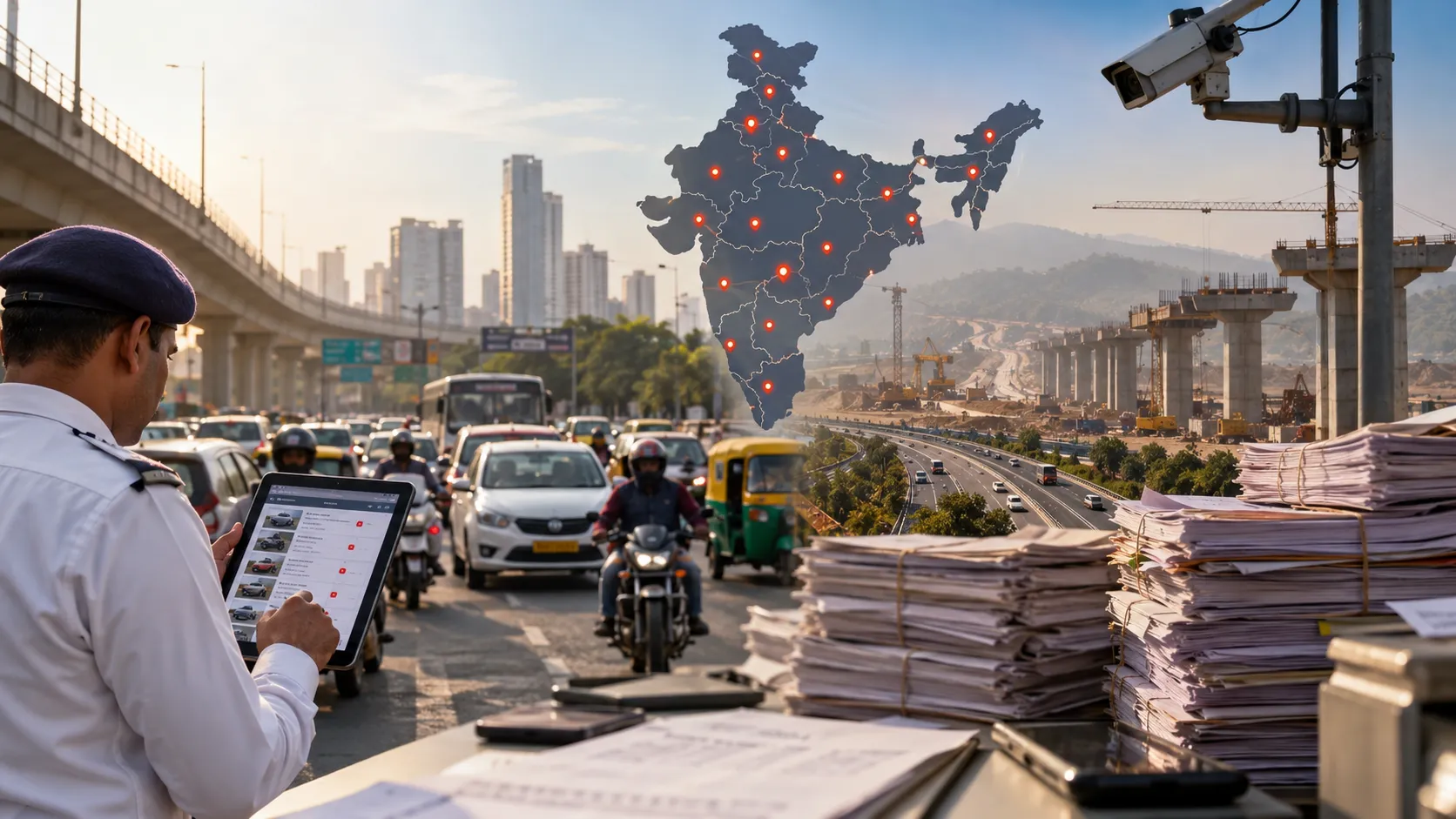

Digital traffic enforcement can help authorities identify certain violations, but technology does not eliminate the possibility of errors. A registration number may be read incorrectly, an image may lack sufficient context, or a driver may receive a notice that needs further verification.
When a traffic challan appears inaccurate, the best response is neither to ignore it nor to pay without reviewing the details. Drivers should approach the matter methodically, preserve relevant evidence and use the applicable process to seek clarification or challenge the record.
Begin With the Notice, Not the Assumption
A notification is a starting point for investigation. It should not be treated as conclusive proof that a violation occurred, nor should it automatically be dismissed as a mistake.
First, examine the registration number, date, time, location and alleged offence. Check whether the vehicle described matches yours and whether the circumstances make sense. If an image or other supporting information is available through the relevant system, review it carefully.
A discrepancy might be as simple as an incorrect character in the registration number. In other cases, the vehicle may be correctly identified, but the driver may have questions about the circumstances or the recorded offence.
Keep these possibilities separate. Identifying a genuine mismatch is different from disputing the interpretation of an event.
Preserve Evidence Before It Disappears
Evidence is easier to assess when it is collected promptly. Depending on the circumstances, useful material may include:
- A copy or screenshot of the challan details.
- The notice or reference number and the date it was received.
- Photographs or videos relevant to the location or vehicle.
- Parking receipts, toll records or other time-stamped information, if relevant.
- Documents showing the vehicle's registration details.
- Any earlier correspondence or acknowledgement related to the same matter.
Evidence should be authentic and kept in its original form wherever possible. Do not edit an image in a way that changes its meaning, and avoid publishing personal details online while seeking help.
If a vehicle was sold or transferred around the time of the alleged violation, retain the relevant transfer documents and correspondence. Whether those records affect the outcome will depend on the applicable rules and facts.
Follow the Correct Review Procedure
After checking the details, identify the process provided by the relevant issuing authority. Requirements can vary by jurisdiction and by the type of challan. Some matters may allow an online grievance, while others may require a different formal procedure or appearance before the designated authority.
Read the instructions carefully and note any stated deadlines. Explain the discrepancy clearly, attach relevant evidence and keep a copy of the submission. Save the acknowledgement or reference number so you can follow up without having to reconstruct the entire history.
Avoid assuming that submitting a complaint automatically cancels a challan or suspends every applicable deadline. Confirm what the relevant procedure says about the status of the matter while it is under review.
Use Digital Platforms Carefully
ChallanPay can be considered for checking challan information and exploring available resolution options. Before acting, compare the displayed details with the relevant record and make sure you understand whether the service is providing information, facilitating payment or offering another form of assistance.
Lawyered may be relevant when the dispute raises questions about legal rights, procedure or the evidence required to challenge an allegation. Professional guidance can be particularly useful when the facts are complex or the consequences of the matter are significant.
LOTS247 Sarathi may also be considered for relevant vehicle or transport-related services, subject to its available features. In all cases, users should verify what a platform actually offers and use the appropriate authority's process for formal decisions.
A third-party platform should not be assumed to have the power to cancel a challan unless that authority is clearly established under the applicable arrangement.
Avoid Two Common Reactions
The first unhelpful reaction is to ignore the notice because the driver believes it must be wrong. An unexamined assumption can leave the issue unresolved.
The second is to pay immediately without checking whether the record is accurate. Payment decisions should be made after reviewing the information and understanding the available options and consequences.
The appropriate choice depends on the circumstances. If the record is accurate, follow the applicable payment or resolution process. If it appears incorrect, use the established review procedure and preserve evidence.
A Better Relationship With Digital Enforcement
Traffic cameras and electronic records are tools, not substitutes for careful review. Drivers should respect legitimate enforcement while retaining the ability to question a record through the appropriate channels.
A calm, evidence-based response is more useful than speculation or confrontation. Verify the notice, document the facts, follow the stated procedure and seek qualified help when necessary.
Technology can make enforcement more efficient, but confidence in the system also depends on transparent processes and meaningful ways to correct mistakes. For drivers, being prepared means knowing not only how to check a challan, but also how to respond when the information does not appear right.





















Sign in to leave a comment.