
Artificial Intelligence has become one of the most influential technologies in modern education. From solving math problems and writing essays to creating presentations and answering complex questions, AI tools can complete tasks in seconds that once took students hours. While this convenience is impressive, it raises an important question: When AI does your homework, what exactly are you learning?
The purpose of homework has never been simply to produce answers. Homework is designed to help students practice concepts, develop problem-solving abilities, improve critical thinking, and strengthen long-term memory. When students allow AI to complete assignments without actively engaging in the learning process, they may receive good grades but miss out on the skills that education is intended to build.
The Difference Between Getting Answers and Gaining Knowledge
Many students believe that completing homework successfully means learning has occurred. However, educational research suggests that true learning happens when students struggle with concepts, make mistakes, and work through challenges independently. Recent studies indicate that while AI-assisted tools can improve assignment quality and grades, excessive dependence may reduce knowledge retention and critical-thinking development.
Imagine a student who asks an AI chatbot to solve every math problem. The homework may be completed correctly, but the student has not practiced the reasoning process required to solve similar problems independently. When exam time arrives, the lack of genuine understanding becomes apparent.
AI as a Tool, Not a Replacement
The debate is not whether AI is good or bad. The real issue is how it is used. Research shows that AI can support learning when students use it as a tutor, guide, or brainstorming partner rather than as a shortcut for completing tasks. When learners question AI-generated responses, verify information, and refine their understanding, AI can enhance critical thinking rather than replace it.
For example, a student writing an essay could use AI to generate topic ideas, organize thoughts, or receive feedback on structure. The final work, however, should still reflect the student's own reasoning and creativity.
The Hidden Cost of Convenience
One of the greatest risks associated with AI-generated homework is cognitive offloading. This occurs when individuals rely on technology to perform mental tasks they would otherwise do themselves. Studies have found that excessive trust in AI can reduce evaluative thinking and decrease the effort students invest in understanding concepts.
Learning requires effort. The moments of confusion, frustration, and problem-solving that students often try to avoid are actually the moments when the brain forms stronger connections. By eliminating these challenges, AI can unintentionally weaken the learning experience.
Why Critical Thinking Matters More Than Ever
In an era where AI can generate essays, solve equations, and summarize books, critical thinking has become one of the most valuable skills a student can possess. Students must learn how to evaluate information, identify inaccuracies, and make informed decisions.
Researchers emphasize that AI can support critical thinking only when learners actively engage with its outputs rather than accepting them at face value. Overreliance can lead to dependency, while thoughtful use can encourage deeper analysis and reflection.
The future workforce will not reward individuals simply for finding answers. Instead, success will belong to those who can ask meaningful questions, assess information critically, and apply knowledge creatively.
The Role of Early Childhood Education
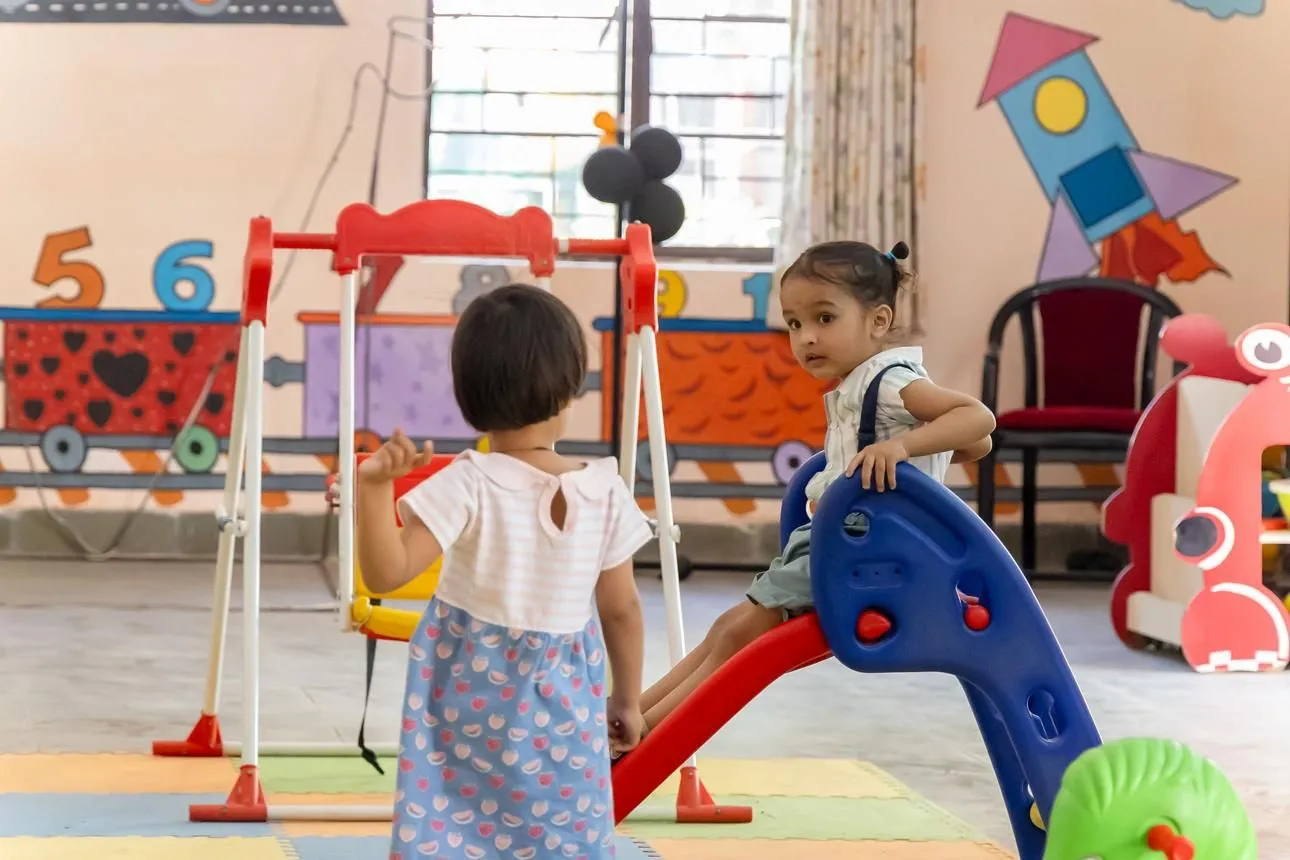
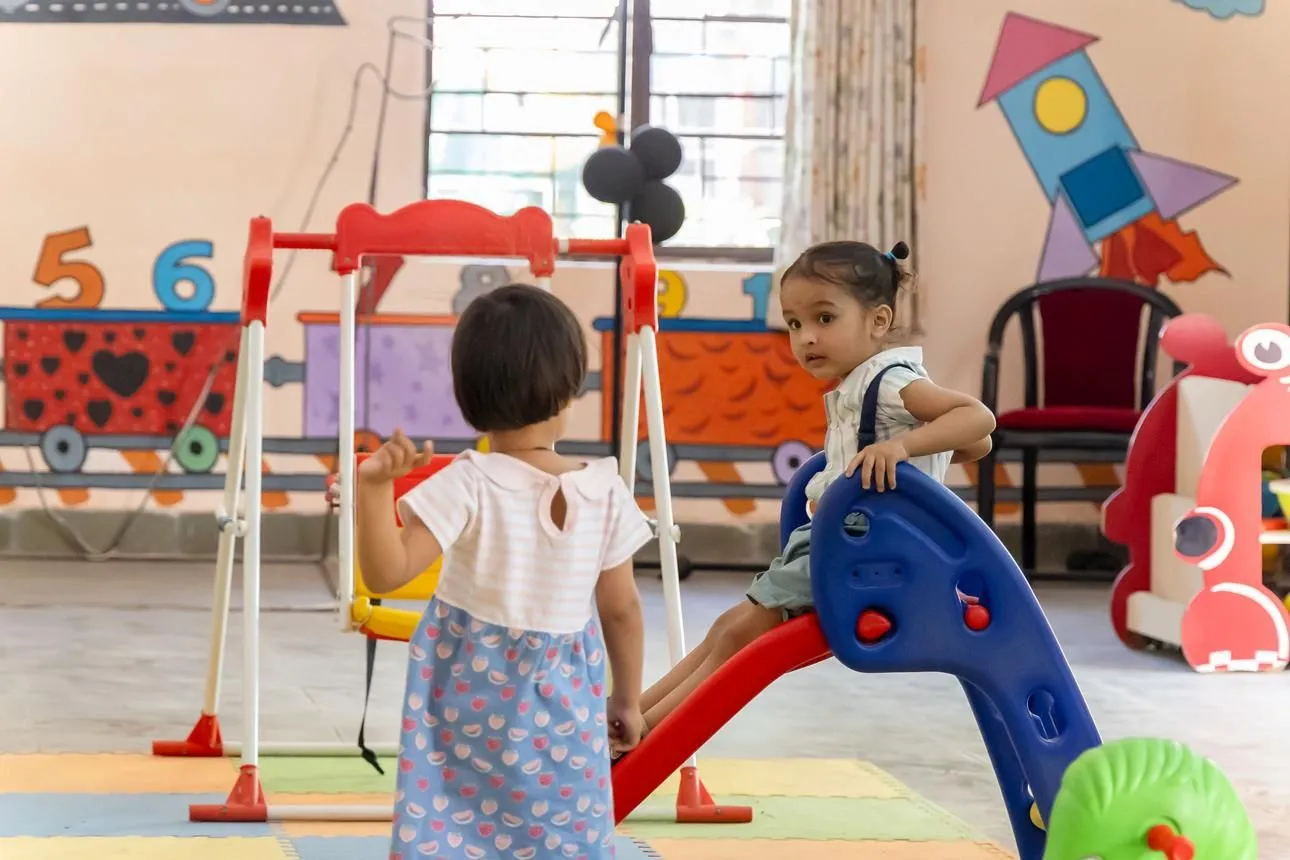
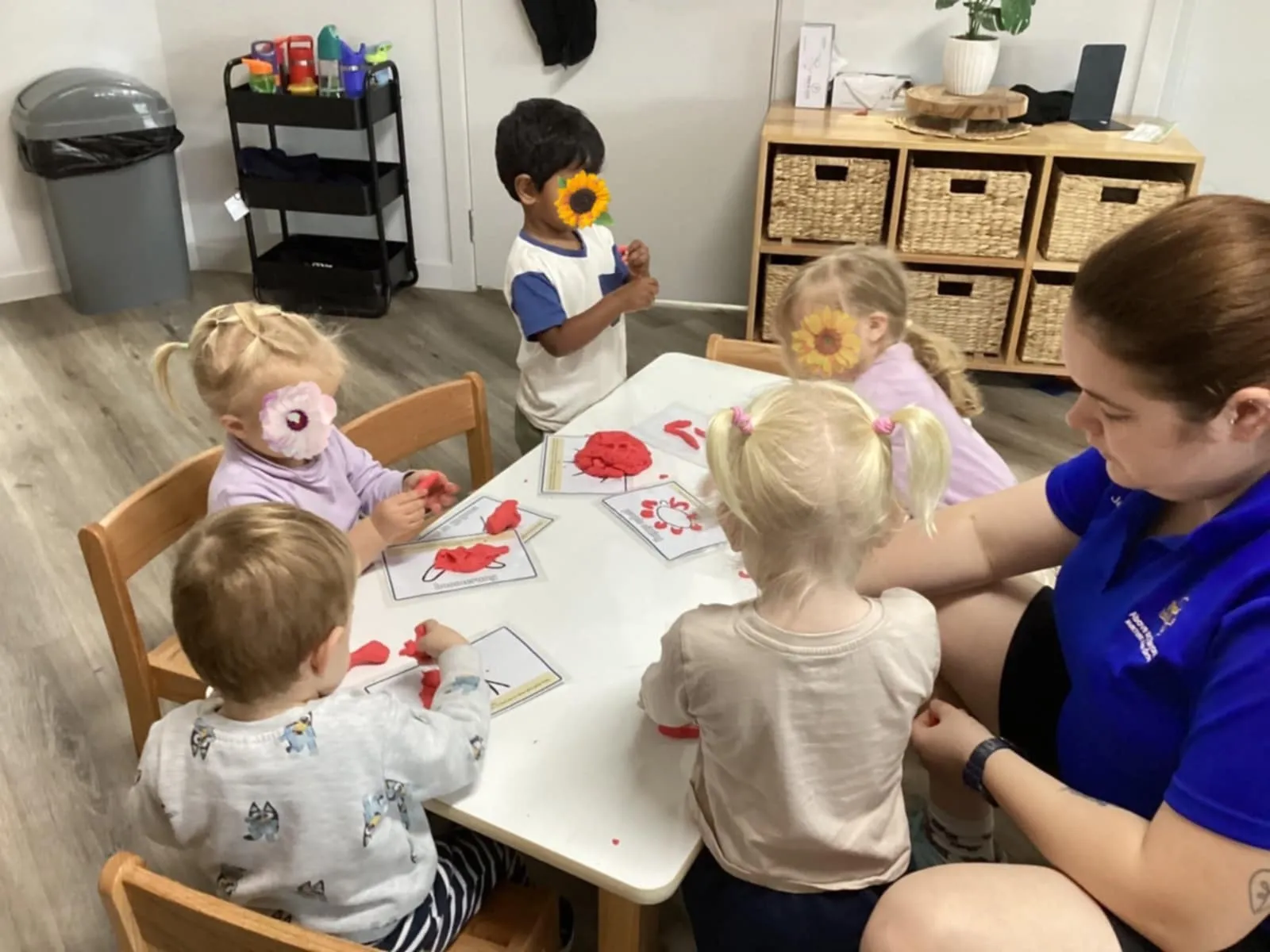
The foundation for independent thinking begins long before children encounter AI-powered tools. Quality early childhood education encourages curiosity, exploration, and hands-on learning experiences that help children develop problem-solving abilities from a young age.
Parents looking for a strong educational foundation often consider a play school franchise in chennai that focuses on experiential learning and child-centered development. Such environments encourage children to think independently rather than simply memorize information.
Similarly, a well-structured play school franchise in kolkata can nurture creativity and curiosity, helping young learners build confidence in their own abilities before technology becomes a significant part of their educational journey.
Educational institutions associated with a play school franchise in ghaziabad often emphasize interactive activities, collaboration, and real-world experiences that strengthen cognitive development and social skills.
Families seeking quality early education may also explore a reputable Preschool in Indirapuram, where children are encouraged to ask questions, investigate ideas, and develop a lifelong love of learning.
Rethinking Homework in the AI Era
The widespread availability of AI is prompting educators worldwide to reconsider traditional homework practices. Schools are increasingly focusing on assignments that require personal reflection, creativity, collaboration, and in-class demonstrations of understanding rather than simple fact-based responses.
Instead of asking students to merely provide answers, teachers are designing activities that require them to explain their reasoning, evaluate multiple perspectives, and apply knowledge in new contexts. These approaches make learning more meaningful and less vulnerable to automation.
Conclusion
AI is transforming education, but it cannot replace the learning process itself. When students use AI responsibly, it can be an effective learning companion that supports understanding and exploration. However, when AI becomes a substitute for thinking, the educational benefits of homework begin to disappear.
The question is not whether AI should be used in education. The real question is whether students are using AI to strengthen their minds or simply to complete assignments faster. In the end, homework is not about producing the correct answer—it is about developing the skills needed to discover answers independently throughout life.






















Sign in to leave a comment.